
The short answer
What to know first.
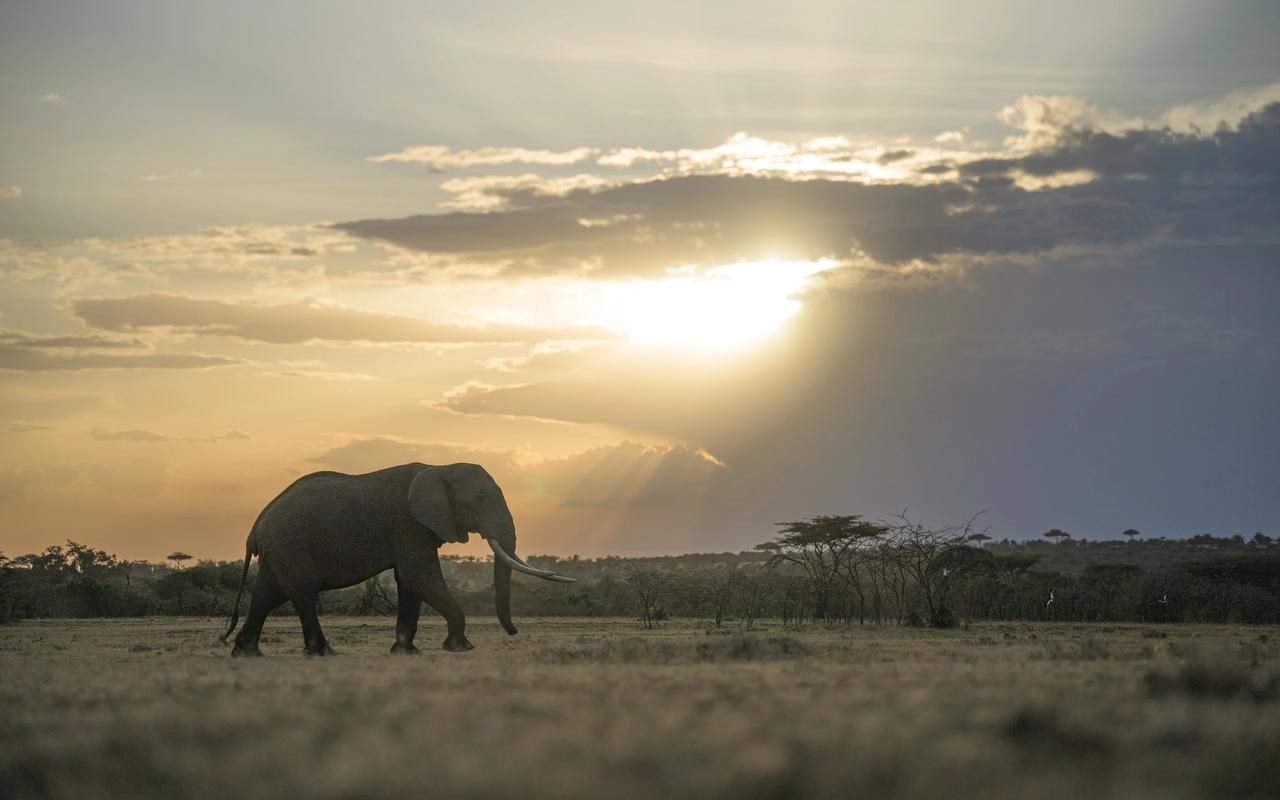
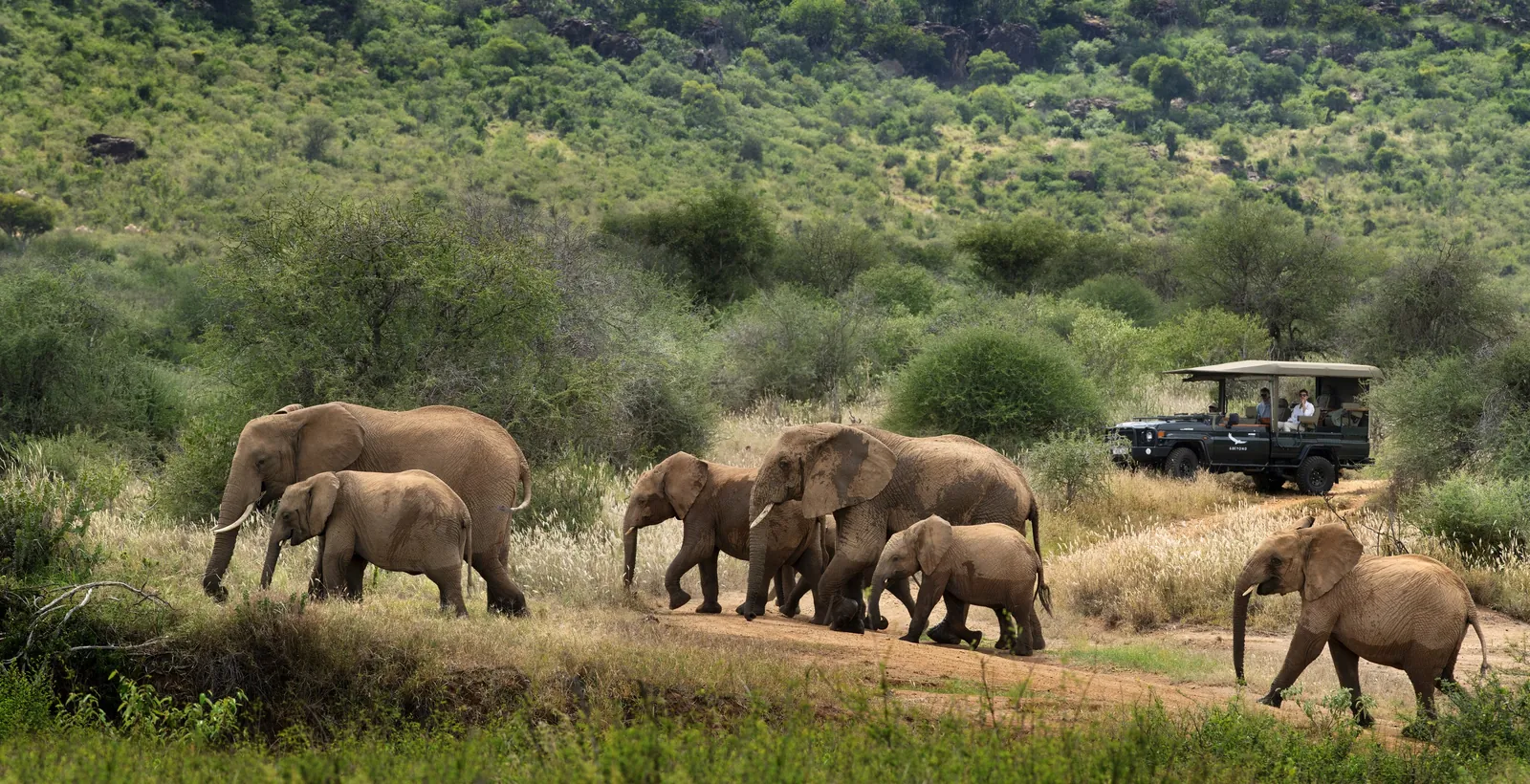
North of Mount Kenya, the Laikipia plateau runs a different safari economy from the famous parks, and the difference is the product. This is private and community conservancy country, ranchland converted over decades into one of Africa's great conservation successes: the plateau's conservancies hold roughly half of Kenya's rhino, including the sanctuaries our fee page prices, Ol Pejeta near 110 US dollars and Lewa at 198 for day entry and 126 overnight under their current schedules, and the landscape carries wild dog, Grevy's zebra and elephant across ground where the only vehicles are the member camps' own. Because the ground is private, the activity menu is what the parks cannot legally offer: walking safaris and rhino tracking on foot, horseback and camel riding among game, night drives, hides, fly-camping and conservation experiences behind the scenes with rangers, researchers and canine units. The rhythm is conversational rather than theatrical: fewer boxes, deeper days. Who it suits: second-trip Kenya travellers for whom the Mara's spectacle is a memory rather than a need; conservation-led guests who want their fees auditable on the ground; families with teenagers who need to get out of the vehicle; and first files with enough nights to pair one act of spectacle with one of depth. Sail's Laikipia partnerships make this home ground, and availability, fees and activity permissions are confirmed per property at booking.
At a glance
The planning brief.
Kenya's conservation heartland
The plateau's conservancies carry half of Kenya's rhino and the country's most evolved community-conservation economics.
The activity case
Walking, riding, camels, night drives and rhino tracking: the things the famous parks cannot permit are Laikipia's ordinary day.
After or instead of the Mara
Second-trip Kenya starts here; first trips pair it with the Mara for a two-act structure of spectacle then depth.
Sail verifies
Conservancy fees per property, activity permissions and current availability across our Laikipia partners.
01
The conservancy model, briefly and honestly
Laikipia's map is a quilt of private and community conservancies, working landscapes where cattle, wildlife and tourism share an economy rather than compete for one. Guest fees fund ranger corps, rhino protection, predator research and community programmes, and because each conservancy publishes its own fees and rules, the money's path from your invoice to the ground is unusually short and unusually visible.
The rhino numbers explain the security architecture a guest senses: fenced sanctuaries, tracking teams, canine units. Roughly half the country's rhino live on this plateau, and several conservancies run the breeding programmes on which East African rhino recovery rests. Seeing rhino here is likely; understanding what keeping them alive costs is unavoidable, and that understanding is part of what the plateau sells.
The community half of the quilt matters as much as the private half. Conservancies owned by pastoralist communities lease traversing to the camps, and the fees fund schools, water, security and the negotiated coexistence that keeps wildlife welcome on working land. It is the same bargain our gorilla pages describe in the forests, translated to the savannah: the animals persist where they pay their way, and the guest's night is part of the payment.
02
The activity case: out of the vehicle
The parks' rules exist for good reasons, and Laikipia's private ground is where Kenya legally sets them aside. Walking is the plateau's signature, from gentle interpretive strolls to full tracking mornings on rhino spoor with armed rangers; riding safaris put you among giraffe at eye level on horseback; camels carry slow expeditions across the north; night drives open the leopard-and-aardvark hours; and hides, fly-camps and star beds finish the argument.
This menu changes who safari is for. Teenagers bored by vehicle days come alive on foot; veterans get the adrenal honesty of tracking on the ground; photographers get angles and hours the parks cannot sell. Each conservancy and camp publishes what it permits, ages and conditions attached, which is why our files state the activity map per property rather than promising the plateau generically.
03
Where it fits in a Kenya route
The classic pairing is a two-act structure: the Mara for spectacle, Laikipia for depth, joined by a scheduled flight. The acts complement rather than compete, big-cat theatre and migration scale in one, rhino, walking and participation in the other, and the order matters less than the balance. For second and third Kenya trips, Laikipia increasingly is the trip, with the Mara reduced to a nod or dropped entirely. The plateau is also Kenya's exclusive-use capital: private houses and small lodges built for single parties, with their own vehicles, guides, staff and daily shape, booking on long horizons for the school-holiday and festive weeks.
The plateau also owns Kenya's green months gracefully: much of its ground drains well, activities run year-round, and the conservancy economics mean low season is priced with the same transparency as high. Add the northern extensions, Samburu's dry country and the frontier conservancies beyond, and Laikipia becomes the hinge of every ambitious northern route we build.
Choose Laikipia when
Participation beats performance: walking, riding, tracking and conservation depth, on ground where your fees visibly fund the work.
Pair it with the Mara when
The file is a first Kenya circuit: one act of spectacle, one of depth, one short flight apart.
The fee layer
Per-conservancy published fees, Ol Pejeta near 110 US dollars, Lewa 198 day and 126 overnight on current schedules, each restated per property on your quote.
The season note
Well-drained ground and year-round activities make the plateau one of Kenya's most graceful green-season answers.
04
How Sail works the plateau
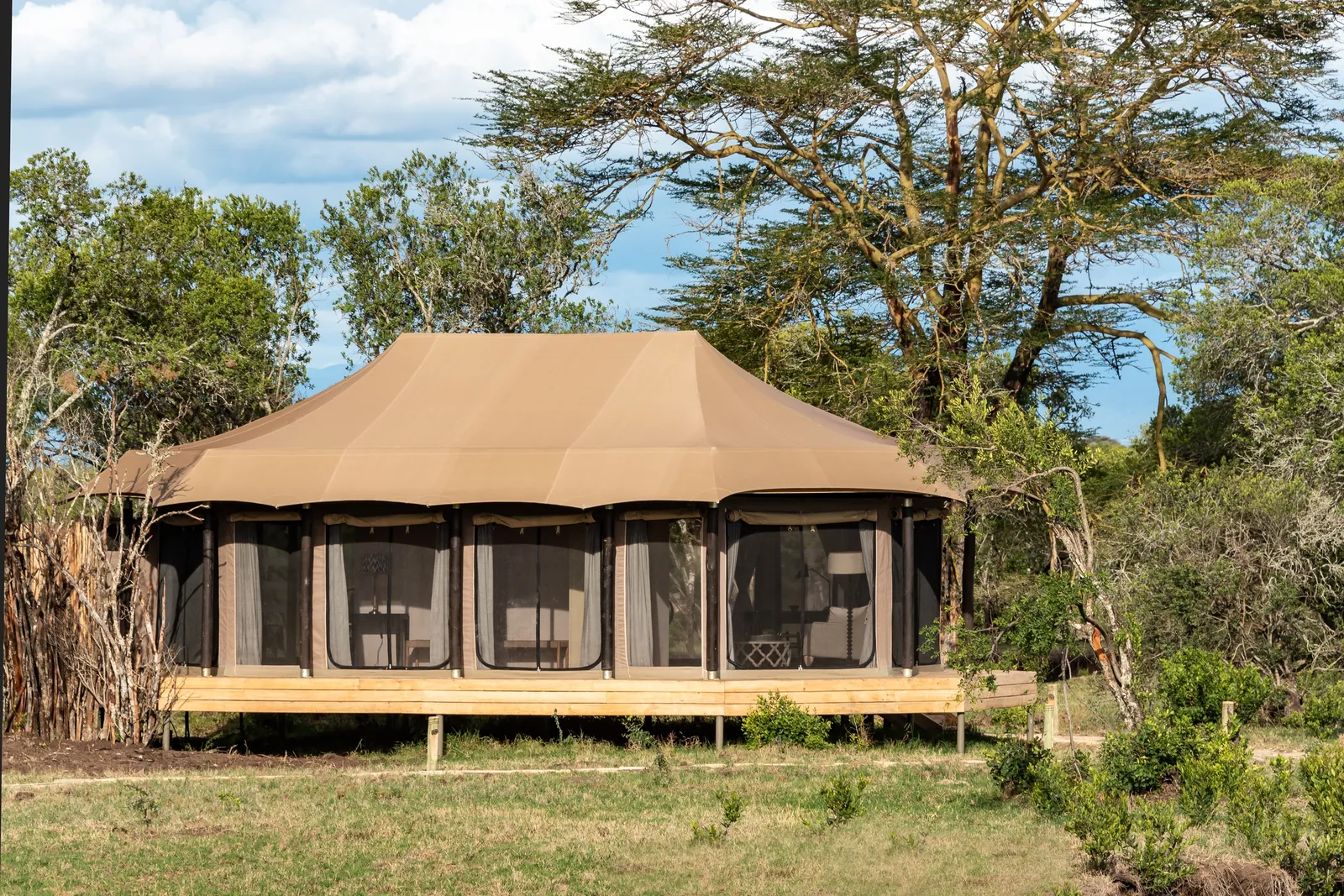
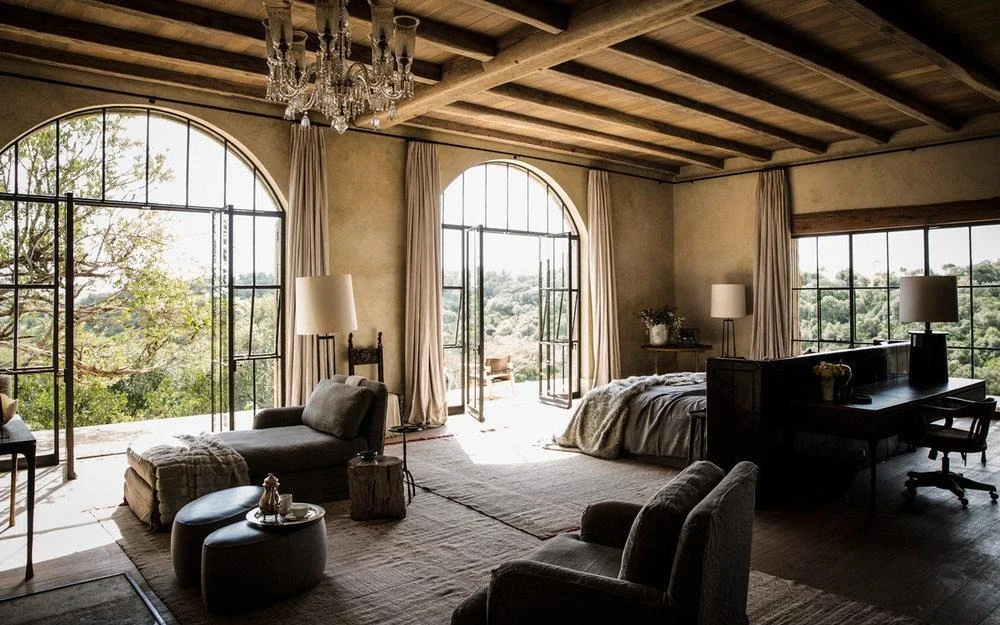
This is home ground for our Kenya desk: contracted partnerships across the plateau's houses and camps, from riverside canvas to the private homes and retreats that make Laikipia Kenya's exclusive-use capital, and working relationships with the conservancies whose rules shape each day. Files are built activity-first, choose what you want to do, then the ground that permits it, which inverts the usual lodge-first logic and produces better weeks.
Costing is stated the conservancy way: accommodation, then each conservancy's published fee as its own line, then activity supplements where they apply, no lumps. From the Sail operations desk, checked August 2026: Laikipia produces the highest repeat-booking rate of any Kenyan region we sell, and the requests that come back are for the same walks with the same rangers, which says more about the plateau than any brochure.
Questions travellers ask
Useful answers, before you decide.
Is Laikipia better than the Masai Mara?
Different instrument: the Mara performs, Laikipia converses. First trips usually want both; returning travellers increasingly choose the plateau outright.
Will I see rhino in Laikipia?
The plateau holds roughly half of Kenya's rhino and several sanctuaries track daily, so sightings are likely and tracking on foot is often possible. As everywhere in this journal: likelihood, never guarantee.
Is Laikipia good for families?
Excellent for children old enough for the activity rules: riding, tracking, conservation visits and exclusive-use houses built for exactly this. Age minimums vary by activity and property; we state them per file.
What do Laikipia's conservancy fees fund?
Ranger corps, rhino and predator protection, research and community programmes, published per conservancy and visible on the ground. The fee page carries current figures; your quote restates them per property.