
The short answer
What to know first.
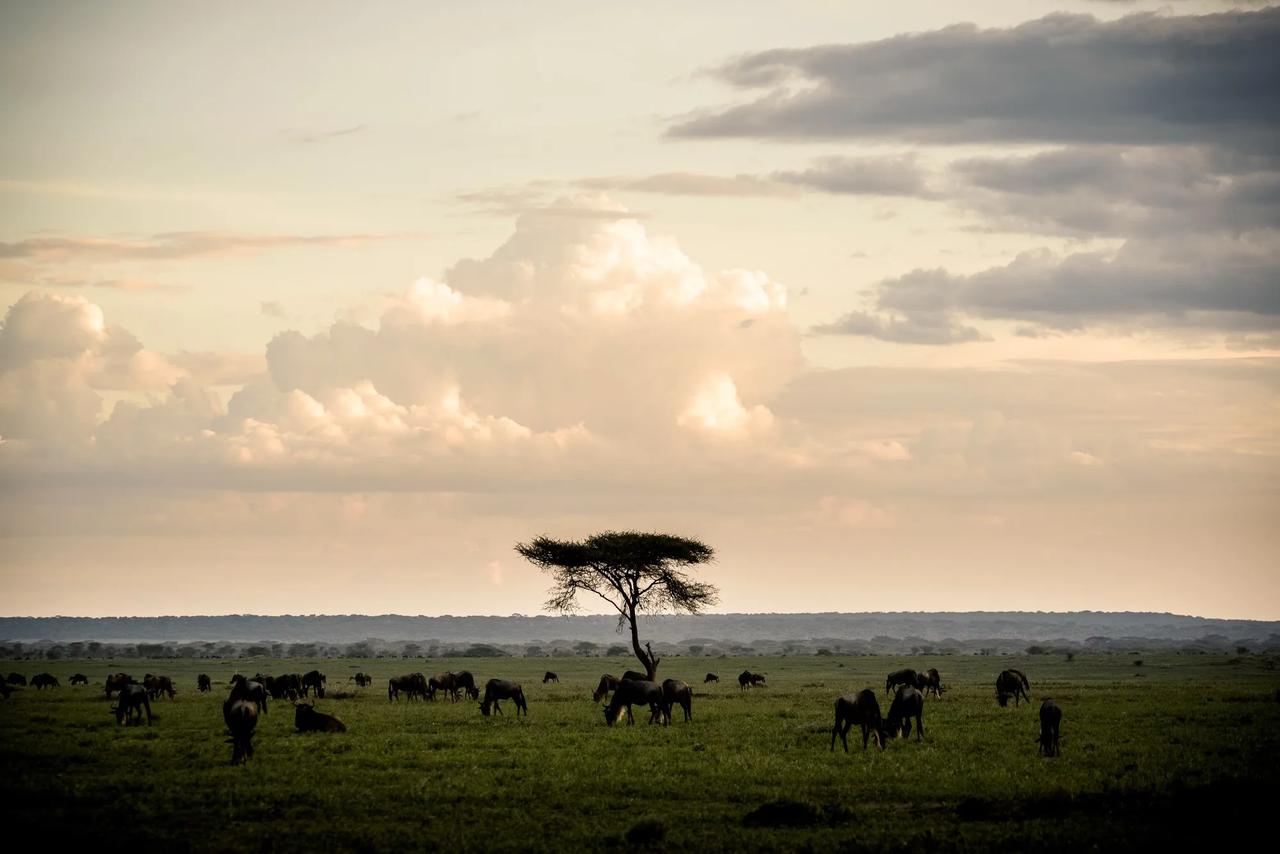
The ten-night gorilla-and-migration sketch fails or passes on one structural fact: the gorilla permit is locked to a date by a park authority, and the migration is locked to nothing at all. Sail's stress-test runs in order. First, permit logic: the trek date is fixed against live availability, and any sketch that traps that date between two migration-camp holds is refused as drawn, because the herd will not negotiate and the permit cannot. Second, the air test: ten nights across two regions only work when flights replace the long roads, so the sketch must carry the flight legs and their real schedules, not hopeful arrows on a map. Third, the promise audit: the migration is season and likelihood, river crossings are never guaranteed, and no line of the file may sell a wildlife event. A sketch that survives all three becomes an operable journey of roughly three forest nights, five or six plains nights and the protected buffers; a sketch that does not is redesigned or honestly declined.
At a glance
The planning brief.
The collision
A date-locked permit and a moving herd share ten nights badly: one is fixed by an authority, the other by rain.
The test
Fix the permit, add air where roads would eat days, and see what honest time remains with the herds.
When Sail refuses
A sketch that traps the permit between two migration holds is declined and redesigned, not operated hopefully.
Sail verifies
Flight legs, current herd reports treated as weather rather than promise, and no river crossing ever guaranteed.
01
The structural collision
Two clocks govern the sketch and they do not consult each other. The permit clock is administrative: one park, one morning, held by full payment under the authority's terms, immovable once issued. The migration clock is meteorological: herds follow grass and grass follows rain, and the season's shape is a likelihood rather than a schedule.
A ten-night file gives these two clocks almost no slack to disagree. The design question is therefore not whether both chapters fit in theory but which one owns the calendar, and the answer is always the permit, because it is the only party that cannot move at all.
02
Test one: where the permit sits
The permit goes first in the sequence, early enough in the file that weather, delay or a missed connection upstream cannot reach it. The failing sketches share a signature: the trek wedged mid-journey between two savannah camps, so that any disruption on the plains cascades into the one morning that cannot be rebooked.
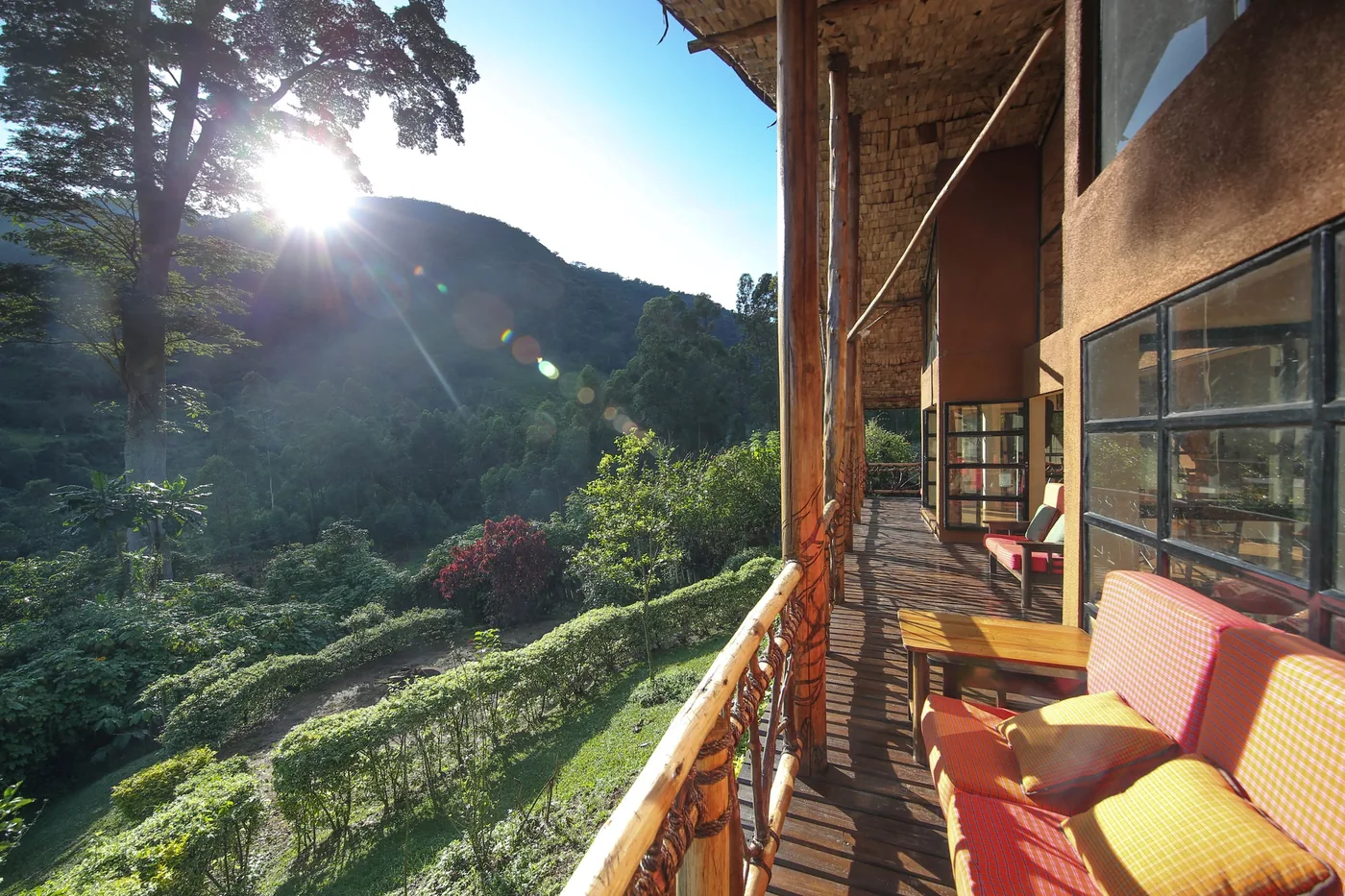
The passing shapes put the forest at an end of the journey, usually the start, with its own protected buffer night. If a client's fixed dates force the wedged shape, Sail says plainly that the file carries a risk no operator can remove, and offers the redesign rather than the hope.
03
Test two: the air test
Ten nights across gorilla country and the migration plains is a flying journey or it is not a journey. The stress-test prices the actual legs, Entebbe or Kigali to the Mara or Serengeti gateways with their real schedules and baggage rules, and rejects any sketch whose connective tissue is a heroic road day.
Where the flights do not exist on the dates, the honest answers are to move the dates, extend the nights or cut a chapter. What is never offered is the version where the family discovers the missing flight in-country, because that version was known at design time to whoever drew the sketch.
04
Test three: the promise audit
The final pass reads the sketch's language. The gorilla hour is regulated and the trek's outcome is found by trackers on the day; the migration is a season, not an appointment; and a river crossing is an event the herds hold to no calendar. Any sentence that sells one of these as certain is rewritten or removed.
What survives is a file that promises what East Africa actually sells: presence, likelihood and superb ground handling. Ten nights of that, honestly built, is one of the great journeys; ten nights of promises is a complaint letter with a deposit attached.
Questions travellers ask
Useful answers, before you decide.
When does Sail refuse a ten-night gorilla-and-migration sketch outright?
When fixed dates trap the permit between two migration holds and the client cannot move anything: that shape carries a cascade risk no operator can remove, and Sail offers the redesign instead of operating the hope.
Which chapter should come first, forest or plains?
Usually the forest, while legs are fresh and so the permit sits at a protected end of the file. Flights and the party's dates occasionally argue the reverse, and the stress-test decides rather than habit.
Can a river crossing be built into the itinerary?
A camp can be placed in crossing country in the right season; the event itself is never promised. Files are written around likelihoods, and the herds have not signed anything.