
The short answer
What to know first.
Honestly: usually not. Ten nights can hold one gorilla trek and a genuine migration chapter only when the air works perfectly, and the design still has no room for a missed connection or a tired morning. The permit-first sketch looks like this: three nights in gorilla country around a fixed trekking date, one honest flying day through Entebbe or Kigali, and five to six nights positioned for the herds from current reports, with no river crossing promised to anyone. What gets cut is everything else: no third country, no second park en route, no city interlude. Sail fixes the gorilla date before any migration camp and says plainly when ten nights should become twelve.
At a glance
The planning brief.
The honest answer
Usually no. Ten nights hold both chapters only when flights align perfectly and rest is still protected.
Permit first
The gorilla date is fixed before any migration camp. Everything else flexes around that morning.
No promised crossing
Migration position is planned from current reports; a river crossing is never guaranteed to anyone.
Sail verifies
Air schedules between forest and plains, camp position for the actual dates, and where a night must be added.
01
The permit-first sketch
The gorilla permit is date-locked and unforgiving, so it is fixed first and the migration chapter flexes around it. Three nights belong to the forest: a settled night before briefing, the trek, and a slow morning after, which no compressed itinerary is allowed to steal.
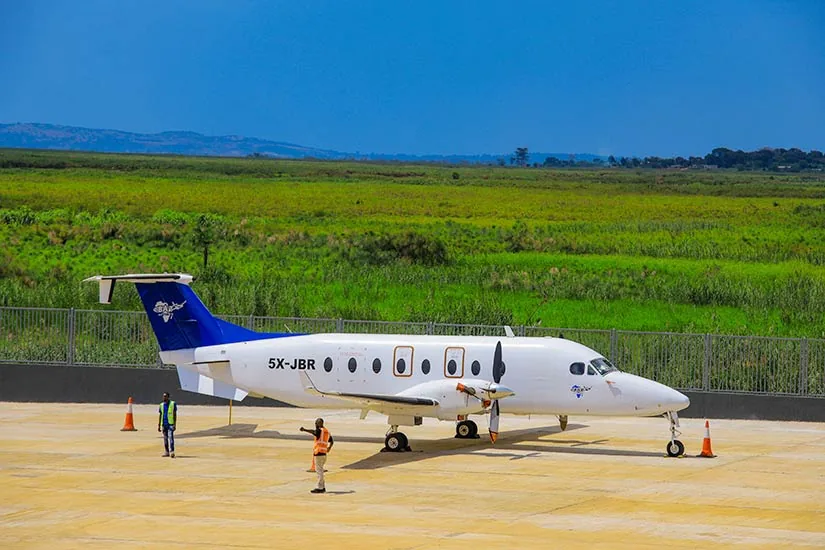
The middle of the sketch is one honest flying day, forest to plains through Entebbe or Kigali. Stack it truthfully and it consumes a full day of the ten; pretending otherwise is where compressed itineraries begin to lie.
02
What the migration chapter needs
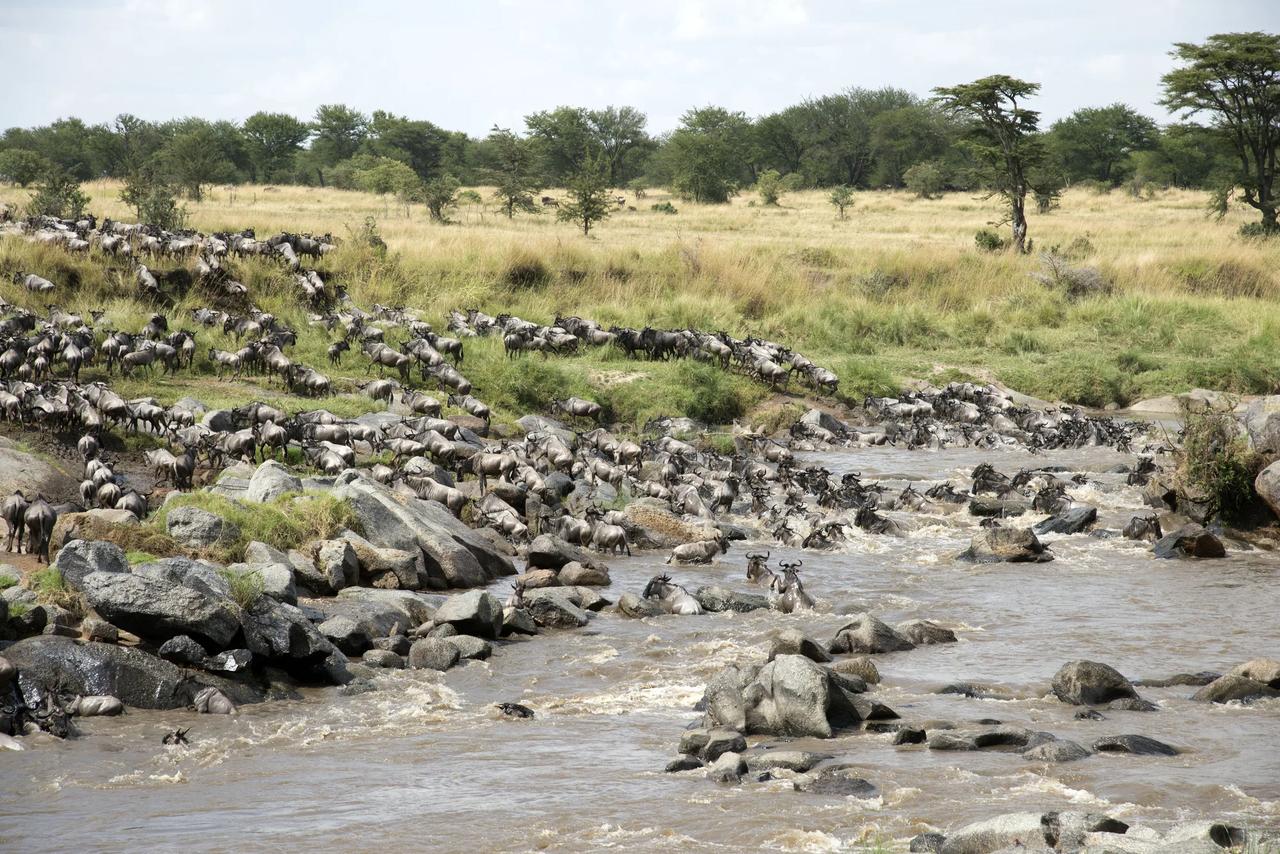
Five or six nights on the plains is the minimum for the herds to feel like a chapter rather than a viewing appointment. Position comes from current reports for the actual dates, northern Serengeti or the Mara in their season, southern plains in theirs, and camps are chosen for where the herds are, not where a brochure once put them.
A river crossing is never promised. The herds cross when they cross; a well-positioned camp raises the odds and honest language protects the journey from a promise no one on earth can keep.
03
What gets cut
Everything that is not forest, flight or plains. A ten-night version has no room for a third country, a chimpanzee day, a crater detour or a beach close; each of those belongs to a twelve-night-and-up design. Cutting the gorilla rest day instead is the classic false economy: it saves a night and risks the centrepiece.
If the party cannot add nights, the braver counsel is one chapter done fully this year and the other kept whole for the next journey. Two halves of two experiences serve nobody.
04
When ten nights does work
It works when the flights align on the actual dates: a morning connection out of gorilla country, a same-day positioning flight to the plains, and a return that does not force a dawn departure from camp. Sail builds the sketch against live schedules before anything is promised, and prices the whole file with the permit confirmed at booking.
Even then the design keeps one deliberate empty afternoon. Ten nights with no slack is not a plan; it is a bet, and the client's centrepiece should never be the stake.
Questions travellers ask
Useful answers, before you decide.
Which comes first, gorillas or the migration?
Gorillas, almost always: the permit is date-locked and the trek deserves fresh legs. The plains then absorb any schedule drift far more gracefully than the forest can.
Can we see a river crossing in a ten-night trip?
Nobody can promise a crossing on any length of trip. Camps are positioned from current reports to raise the odds, and the honest language stays in the file.
What is the comfortable length for both chapters?
Twelve nights breathes: the forest keeps its three, the flying day stays honest, and the plains gain the slack that makes the herds a chapter rather than a checklist.