
The short answer
What to know first.
Safari bends further for limited mobility than most families dare hope, and the bending is design, not luck. The principles: fly rather than drive, because scheduled light aircraft replace the corrugated hours that punish backs and hips, and airstrip-to-camp transfers can be minutes; choose camps for how they move rather than how they photograph, level or ramped paths, rooms near the mess, bathrooms with space and support, main areas without stair theatres, and the honest broker here is camp-by-camp knowledge, since accessible in a brochure spans everything from genuinely wheelchair-workable to one proud ramp; and treat the vehicle as the day's real obstacle, because game drives themselves are seated and superb, while getting into a Land Cruiser involves a high step that steps, handles, patience and occasionally a cushion solve for most travellers, with specially adapted vehicles available in some regions when they do not. Pacing does the rest: fewer moves, longer stays, drives sized to comfort, and the standing option of watching the waterhole from the veranda while the family drives, which on the right ground is not a consolation but a front seat. What makes all of it bookable is the conversation the industry avoids and this page insists on: exact needs stated plainly before booking, transfers, distances, bathrooms, energy, so the desk matches real camps to real requirements instead of hoping. Multi-generation files are the happiest proof: the design that carries a grandparent carries everyone. Camp specifics, vehicle options and flight logistics confirmed at booking.
At a glance
The planning brief.
Design beats promises
Flying replaces rough roads, camp choice replaces stairs, and pacing replaces endurance: the safari bends further than most expect.
The honest conversation first
Exact mobility, transfer and bathroom needs, stated before booking, decide which camps genuinely work.
Vehicles are the hinge
Getting in and out of a cruiser is the day's real obstacle: steps, handles and time solve most of it.
Sail verifies
Camp-by-camp paths, room access, vehicle options and flight logistics against your actual needs.
01
The honest conversation, first
Every workable file starts with specifics the polite version of the industry never asks for: how far can you comfortably walk, on what surfaces, with what aids; can you manage a high vehicle step with a handle and a helping arm; what does a bathroom need to have and not have; what time of day does energy run strongest; what would make you abandon a day happily rather than push through it miserably.
None of this is intrusive on a desk that uses it: it is the difference between a camp whose paths happen to be sand and one whose boardwalks are level, between a route with three moves and one with one, between a trip survived and a trip loved. We write the answers into the file, brief every camp and driver on them, and the traveller never has to explain themselves twice.
02
Flying, and why it changes everything
The single biggest accessibility lever in East Africa is the light-aircraft network. Roads to the famous parks include hours of corrugation that a healthy spine files under adventure and an arthritic one files under damage; the scheduled flights replace them with forty gentle minutes and an airstrip transfer measured in minutes. Fly-in design is not a premium habit on these files; it is the architecture.
The aircraft themselves are manageable with planning: steps with assistance, front-row seating arranged ahead, baggage rules from our packing pages handled by the desk, and airstrips briefed to have the vehicle at the wing. Where a need exceeds the light fleet's flexibility, routing adjusts, larger aircraft on trunk routes, closer parks, or Kenya's shorter hops over Tanzania's longer ladders, which is exactly the comparison a multi-country desk exists to make.
03
Camps and vehicles, the real specifics
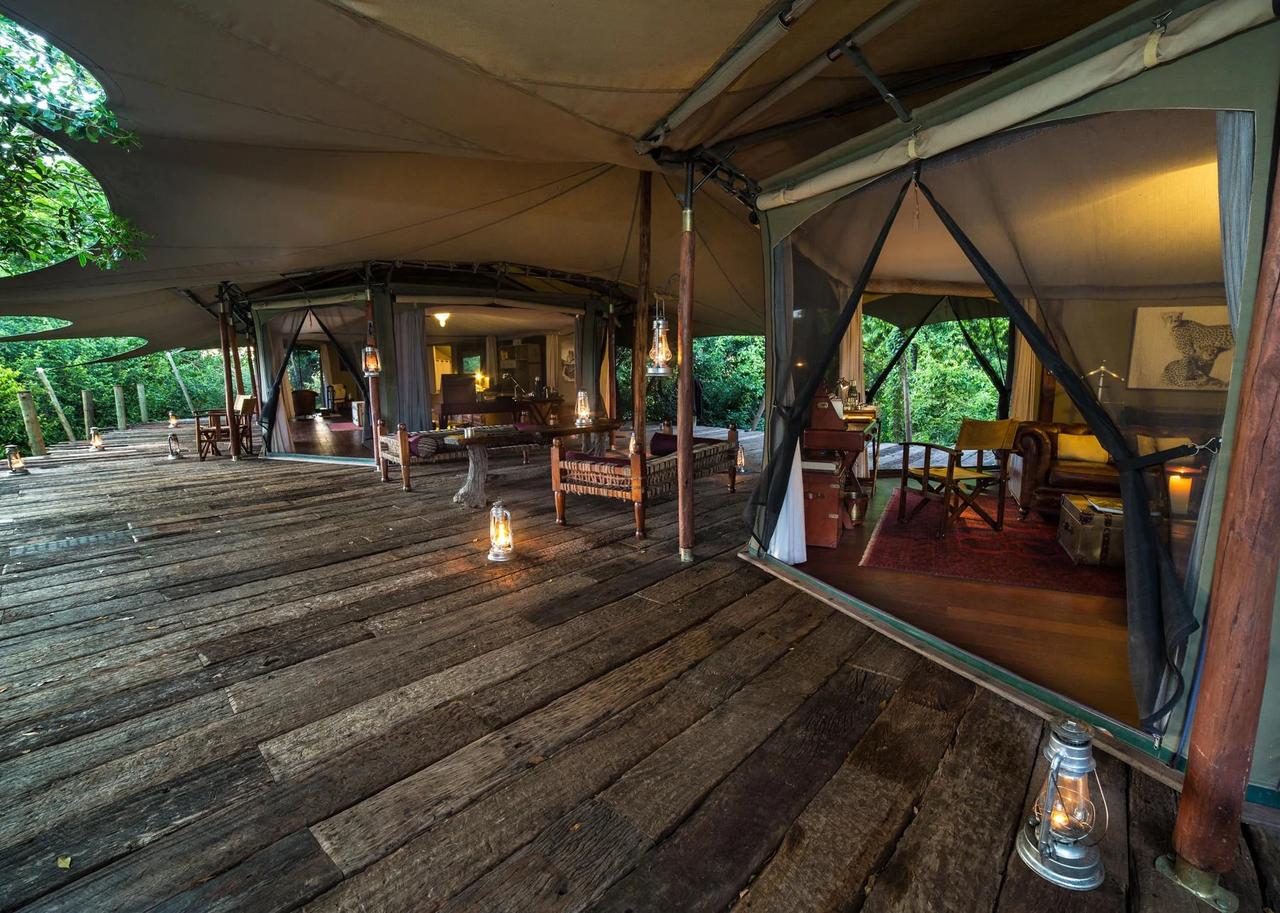
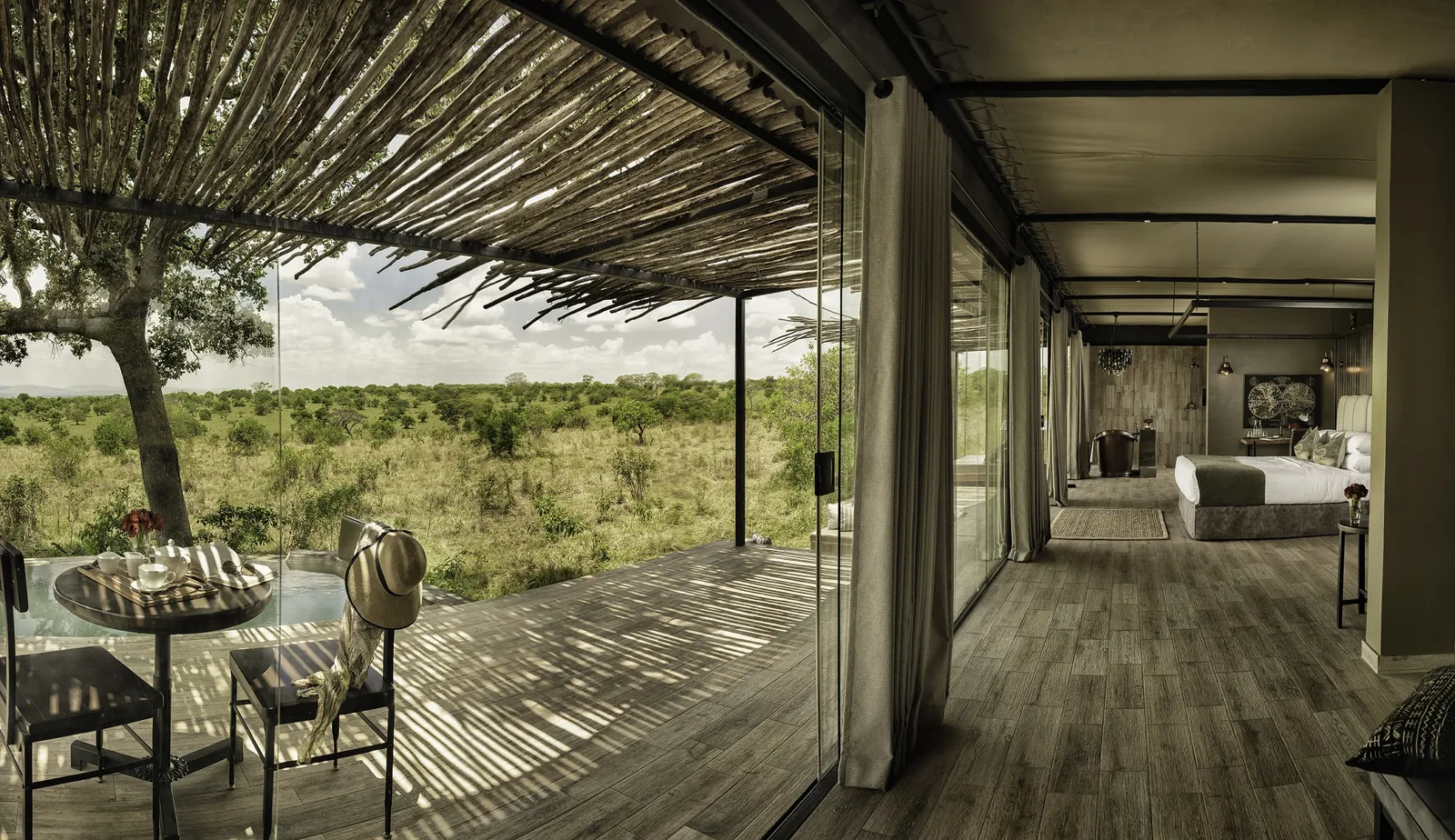
Camp truth lives in details brochures omit: the distance from room to mess in actual metres, the gradient of the path and its surface at each season, whether the shower has a lip, whether the veranda earns the afternoons, whether staff culture treats assistance as hospitality or as exception. Our camp notes hold these answers per property because we have asked, and the shortlist for a mobility file is built from them, not from star language.
The vehicle is where most safari days are won or lost: the classic cruiser's floor sits high, and the honest solutions run from the simple, a sturdy step, a grab handle, an unhurried guide and the front seat, to the specific, camps and regions offering adapted vehicles with lifts or modified access, available in parts of Kenya especially and arranged ahead rather than hoped for. Once aboard, the game drive is the great equaliser: everyone hunts with their eyes.
Ask camps for
Real distances and gradients, level or ramped paths, near rooms, bathroom specifics and staff briefed for assistance: answers in metres, not adjectives.
Route for
Fly-in legs over long roads, fewer moves, longer stays, and parks whose airstrips sit minutes from camp.
Solve the vehicle with
Steps, handles, front seats, unhurried guides, and adapted vehicles arranged ahead where the need asks for them.
Design the day around
Energy hours, veranda game viewing on waterhole ground, and the standing permission to skip a drive without apology.
04
Pacing, the veranda, and who this file serves
Pace is the medicine the itinerary can prescribe: one camp for four nights instead of three for one each, drives sized to comfort rather than convention, the day's centre moved to the hours the body favours, and margins everywhere, because rushing is the one thing these files cannot absorb. The unhurried principle this journal preaches for everyone becomes, here, simply the specification.
Choose waterhole ground and the veranda becomes a hide: elephant at lunch, the evening parade at dusk, the whole theatre delivered to a comfortable chair while the rest of the family drives. Multi-generation files are where all of this compounds, the grandparent's design carries the toddler's nap schedule too, and the shared sightings become the family's common property. The insurance line is part of the design rather than an afterthought: comprehensive cover including medical treatment and evacuation, declared conditions declared properly, and the camps briefed on medication storage and any response specifics, all of it arranged in writing through the safety layer our health pages carry. From the Sail operations desk, checked August 2026: the mobility-designed files we run rate among our most grateful, and the gratitude is almost always for the same thing, being asked the real questions early enough for the answers to matter.
Questions travellers ask
Useful answers, before you decide.
Can I go on safari if I use a wheelchair or walk with difficulty?
With honest design, very often yes: fly-in routing, camps chosen for level movement, vehicle solutions from steps to adapted cruisers, and pacing built around your energy. The specifics conversation before booking is what makes it real.
Are game drives hard on a bad back or hips?
The drive itself is seated; the punishment lives in long rough roads and the vehicle step. Flying between parks, sized drives, front seats and a cushion solve most of it.
Do any camps have adapted vehicles?
Some regions, parts of Kenya especially, offer adapted or lift-equipped vehicles arranged in advance. Where they are not available, the step-and-handle solutions carry most travellers; we state which applies per camp.
Is a multi-generation safari realistic with elderly parents?
It is the happiest version of this file: the design that carries the least mobile traveller improves the trip for everyone, and shared sightings become the family's common story. Longer stays and fly-in legs are the backbone.