
The short answer
What to know first.
On a gorilla trek the park is in charge, and every honest description starts there. UWA's rangers and trackers allocate the family at briefing, lead the walk, set the pace and the distance, and govern the regulated hour; in Rwanda, RDB's teams hold the same authority in Volcanoes. A private guide or host travels with the party across the whole journey and adds what the park does not provide: continuity from briefing to briefing, pacing and preparation in the days before, the logistics wrapped invisibly around the morning, and the thread that joins trek day to the rest of the safari. What no one can sell is a substitute for the park: any product implying private control of the forest, the family or the hour is mis-sold, whatever it costs. Sail provides the host where the party's file genuinely benefits and says plainly what that role is and is not.
At a glance
The planning brief.
Who leads the forest
Park rangers and trackers allocate the family and lead the trek. That authority cannot be bought or replaced.
What a private host adds
Continuity across the journey: briefings, pacing, logistics and the thread that joins trek day to every other day.
What nobody sells
A second product that overrides the park. Any offer that sounds like private control of the forest is mis-sold.
Sail verifies
The day's actual roles at briefing, and a host whose value shows before and after the forest, not instead of it.
01
The park's half of the day
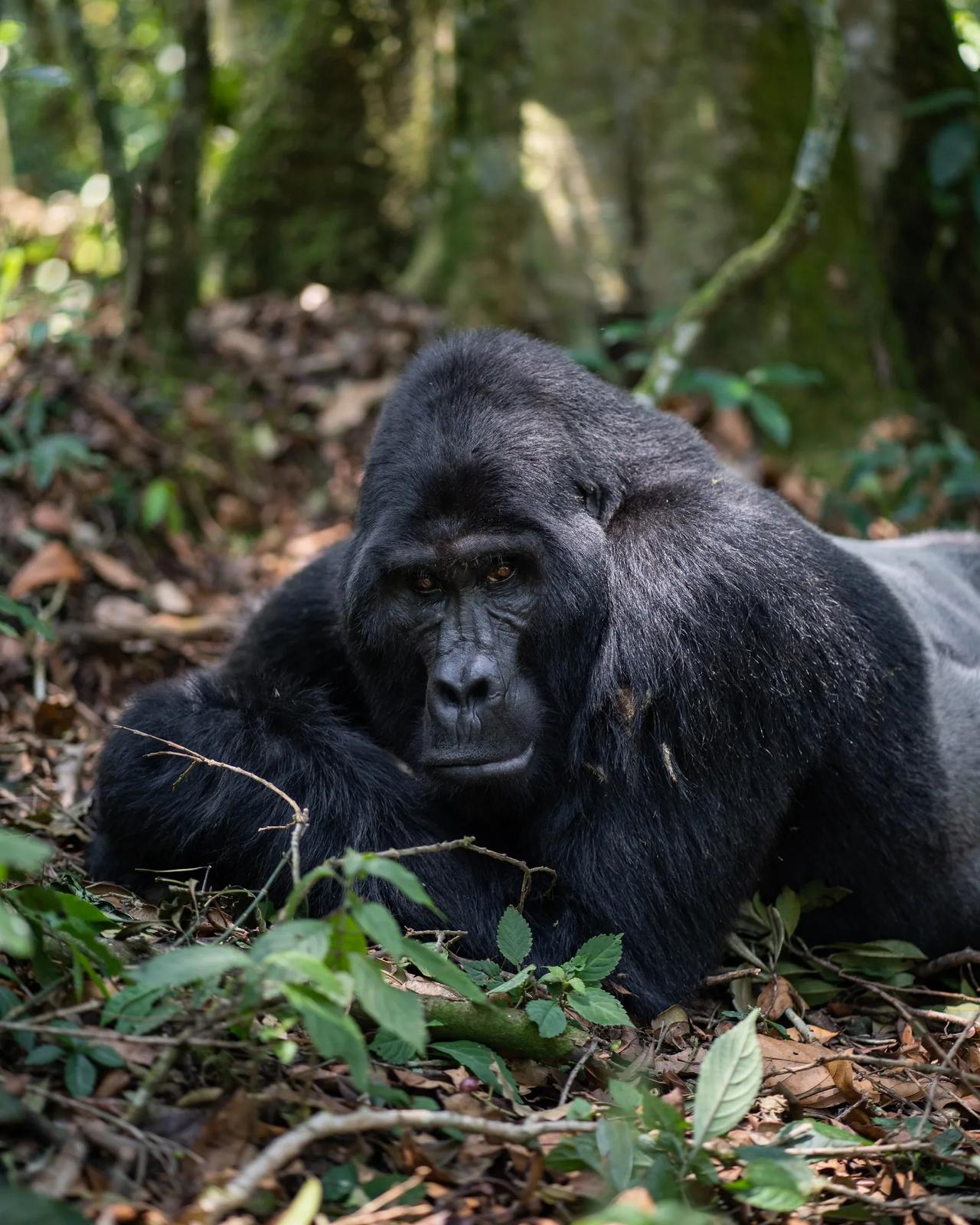
Trek day begins at the park's briefing point, where rangers assign each party to a habituated family, weighing fitness, preference and the trackers' morning reports. From the trailhead onward the rangers lead: route, pace, rest stops, the approach to the family and the conduct of the regulated hour are theirs to govern.
This authority is the conservation model working as designed. The gorillas' protection depends on one disciplined system, and the men and women who run it walk these slopes daily. Nobody who understands the forest wants that replaced, and nobody honest sells its replacement.
02
What the private host adds
The host's work surrounds the hour rather than entering it: the fitness-honest preparation in the weeks before, the briefing the night prior, kit checked against the season, the porters arranged, and the quiet logistics that put the party at the trailhead rested and early.
Across a longer journey the value compounds: one professional who knows the party's pace, stories and preferences, joining every chapter, translating each new place, and holding the standard steady between lodges. On trek day itself the host walks as part of the party, under the rangers' lead like everyone else.
03
The offer to refuse
Any pitch that sounds like private control of the trek is describing something the park does not sell: a promised family, a guaranteed viewing, an hour extended for a fee, a route of the client's choosing. These do not exist as products, and paying more does not create them.
The honest premium products are different in kind: the full-allocation booking that fills a family's eight places with one party, the habituation experience where the authority offers it under its own conditions, and the private host whose worth shows across the whole journey. Sail sells those plainly and declines the rest.
04
How Sail staffs a trek file
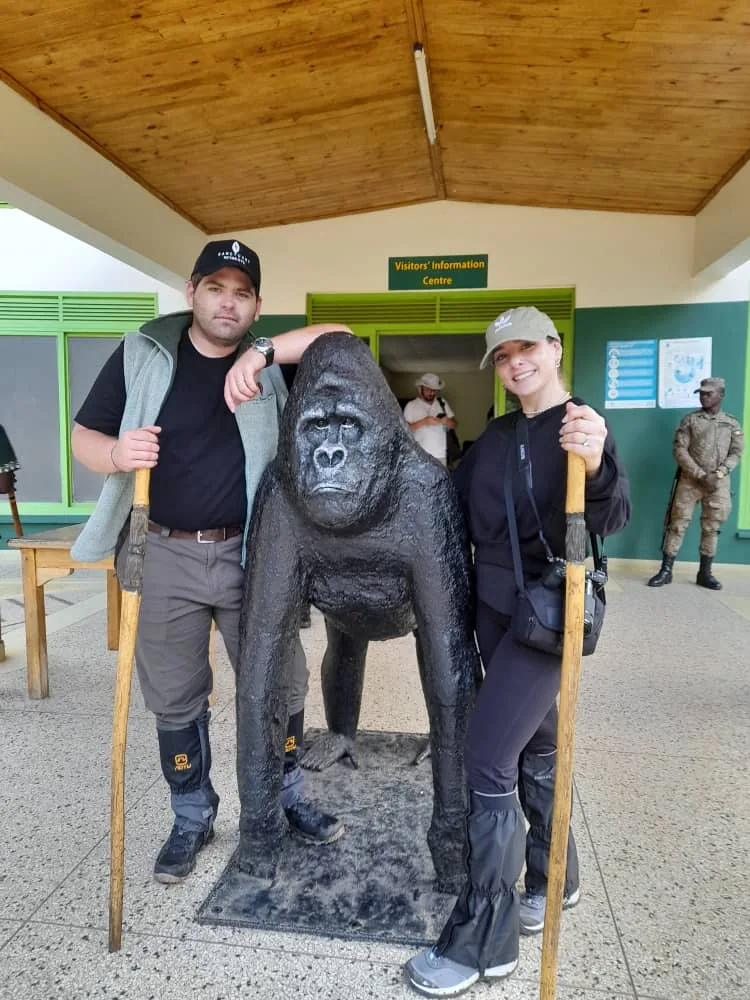
Every Sail gorilla file carries the ground team's standard: the driver-guide who knows the sector roads, the briefing the evening before, and porters engaged at the trailhead, whose work is real employment for forest-edge communities and whose help changes many guests' mornings.
The dedicated host is added where the file genuinely benefits: multi-country journeys, parties wanting one professional throughout, photographers working within the rules, or families whose logistics deserve a second pair of hands. It is proposed with its price and its honest scope, and the party decides.
Questions travellers ask
Useful answers, before you decide.
Can a private guide get closer or stay longer with the gorillas?
No. Distance, conduct and the regulated hour are the park's rules, applied by the rangers to every party equally. A good host makes the hour calmer and better prepared, never longer or closer.
Do porters replace the need for a private host?
They do different work: porters carry and steady on the trail itself and are engaged at the trailhead. The host's role spans the whole journey. Many files use both, each for what it is.
Is a private host worth it for a single trek?
For a one-trek file the ground team's standard usually serves well. The host earns their place across longer journeys, multi-country files and parties with specific working needs, and Sail advises honestly which file is which.