
The short answer
What to know first.
Three generations can share a gorilla journey when the file is designed as one operated party with several mornings inside it: permits for every traveller aged 15 and over, a properly designed morning with a named adult for the under-15s, and a pace that lets grandparents choose their own effort, including porter support and, where a sector allows, carried assistance confirmed at booking. Uganda's eight-guests-per-family rule may split a large trekking party across families or mornings, which is decided at design time rather than discovered at briefing. Every plan converges on one lunch table, and the savannah chapter then carries the whole family together.
At a glance
The planning brief.
One party, three plans
Trekkers aged 15 and over, an under-15 morning with a named adult, and elders pacing their own day.
The permit maths
One permit per eligible trekker; eight guests per Ugandan gorilla family per day may split a large party.
The reunion
Every plan converges on one table by lunch. The savannah chapter then carries the whole family together.
Sail verifies
Ages against passports, lodge suitability for every generation, and the split mornings on one sheet.
01
One party, several mornings
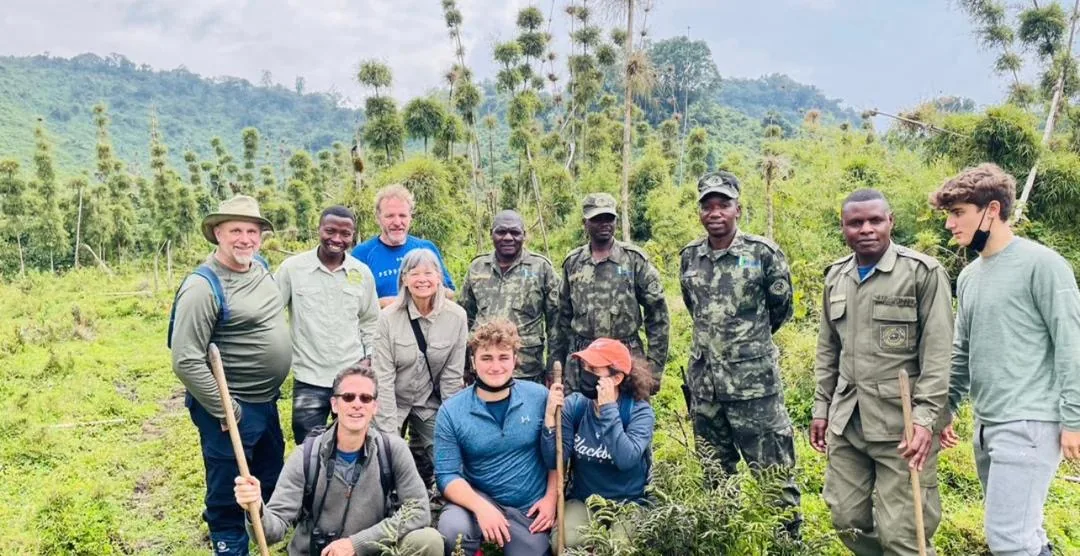
The trek morning naturally divides a large family: eligible trekkers to the briefing point at dawn, under-15s into a real morning of their own with a named adult, and elders deciding freely between the trek, with support, and a gentler plan. The art is running these as chapters of one story rather than three separate bookings.
Each morning gets its own vehicle logic, its own timings and its own small ceremonies, and all of them are held on one operations sheet, so a late trek adjusts the children's afternoon and the lunch plan without anyone chasing anyone.
02
The permit arithmetic for a big party
One permit per traveller aged 15 or over on the trekking date, verified against passports; no spectator places exist. A party of nine or more eligible trekkers will span more than one gorilla family under Uganda's eight-guest rule, or more than one morning on the same sector, and the choice between those is made deliberately.
Grandparents sometimes prefer to trek on a second morning at their own pace rather than keep a family group's speed. That costs a second date and gains a calmer walk; it is offered honestly, never assumed.
03
Designing for the eldest and the youngest
For elders, disclosure shapes the morning: porters arranged ahead, pacing agreed with the rangers, and in some sectors carried-chair support, with availability and terms confirmed at booking. Many grandparents summit the morning gladly; the design simply removes the gamble.
For the under-15s, the plan B is a real programme, golden monkeys where ages allow, guided walks, the kitchen, community time, hosted by a named adult. The rule is absolute at 15, and the family file treats it as a design input rather than a disappointment.
04
After the forest, together
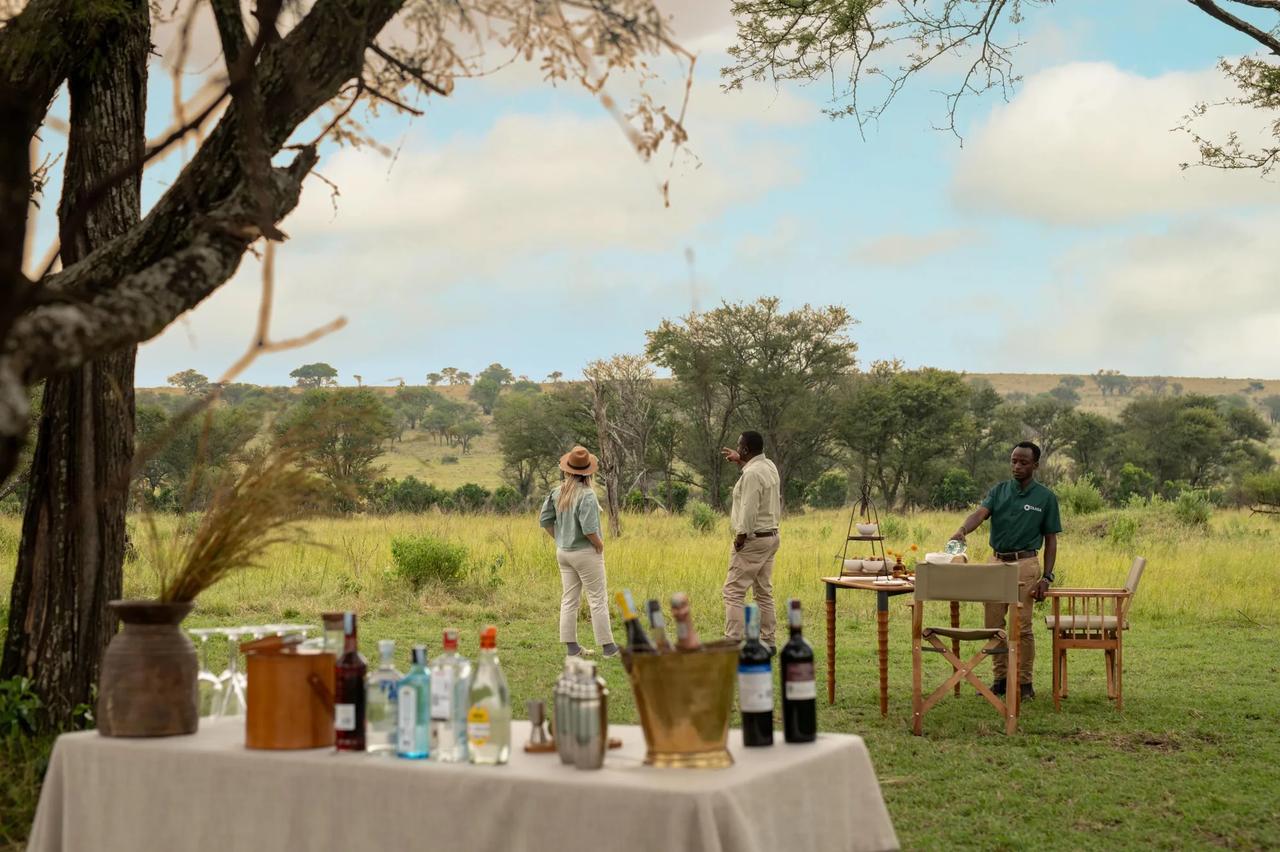
The savannah chapter is where the generations reunite in one vehicle rhythm: game drives cut to the youngest attention span and the eldest comfort, a private vehicle per family unit where numbers ask for it, and camps chosen for genuinely multi-generational hosting rather than marketing's version of it.
The order matters: forest first while legs are freshest and anticipation highest, then the plains to breathe. A three-generation journey that ends together, unhurried, is the one the family retells for years.
Questions travellers ask
Useful answers, before you decide.
Can grandparents realistically trek?
Very often, yes. Porters, honest pacing and, where a sector allows it, carried support have put travellers in their seventies and beyond in front of gorillas. Disclosure at booking shapes the right morning.
Do we all trek the same gorilla family?
Up to eight guests per family per day in Uganda. A larger eligible party spans two families on one morning or two mornings on one sector, chosen at design time.
What do the under-15s do?
A designed morning with a named adult: golden monkeys where ages allow, guided walks, community visits or hosted lodge time, converging with the trekkers at one lunch table.