
The short answer
What to know first.
Start with the youngest traveller's age, room configuration and drive tolerance. Use fewer bases, a private vehicle and properties with flexible meals and meaningful child engagement. Check minimum ages for every activity and aircraft before the route is promised.
At a glance
The planning brief.
Start with ages
Minimum ages, room layouts and activity rules differ by property and country.
Protect rhythm
Shorter drives, flexible meals, pool time and an occasional private house can transform the trip.
Vehicle priority
Private use lets the day respond to attention, energy, comfort and bathroom needs.
Sail verifies
Family rooms, child policies, guide fit, medical access and every significant transfer.
01
Design from the youngest traveller
Activity ages, room layouts, charter policies and comfort with long drives set the honest framework. Gorilla trekking, walking, launch cruises and some camp stays may carry minimum ages or case-by-case rules.
Share ages at the time of travel, not today. Also share swimming ability, food needs, sleep patterns and whether children are used to early starts or small aircraft.
02
Fewer bases, more freedom
Children often settle just as the itinerary moves on. Three- and four-night stays allow guides to vary the programme, provide pool time and recover after an early morning.
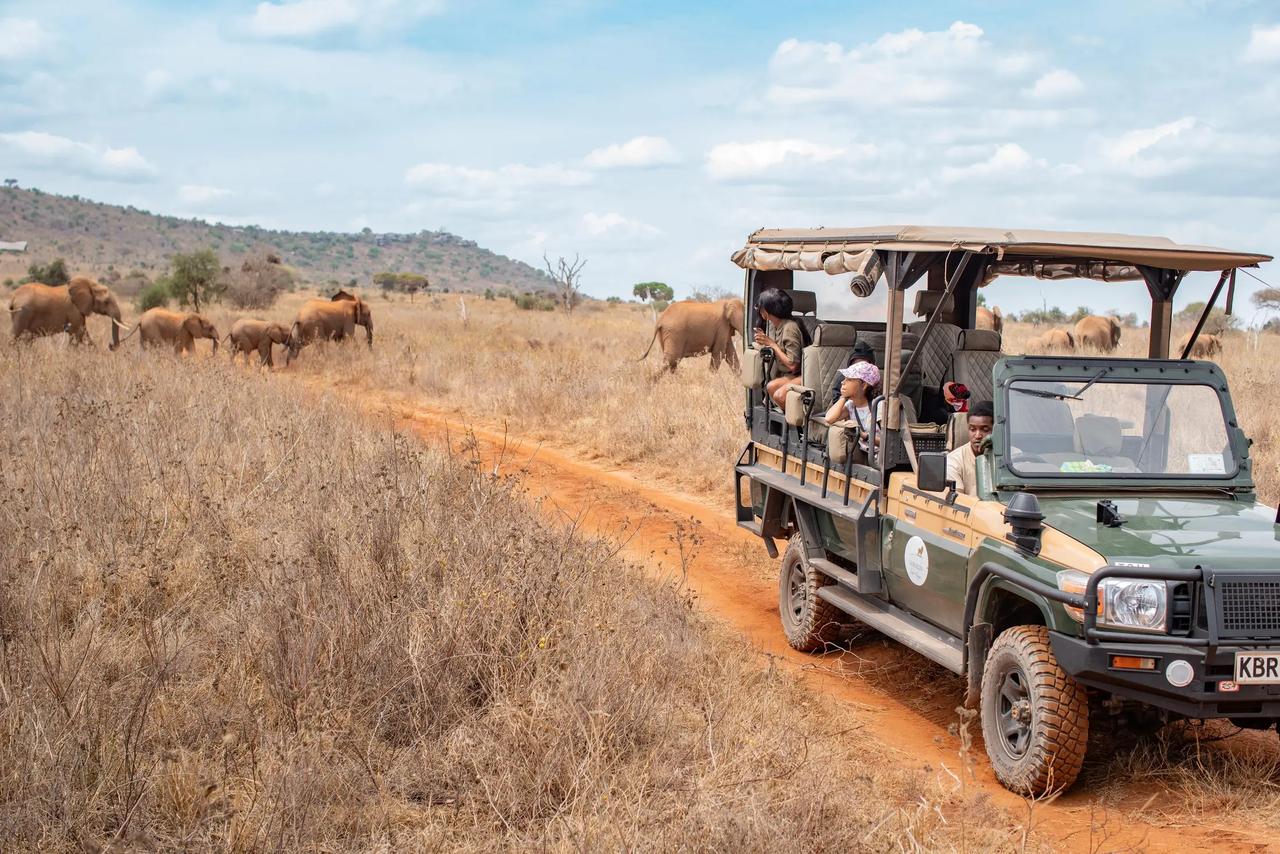
A private vehicle lets the family shorten a drive, stop for a bathroom break or follow a sighting without negotiating with a larger group.
03
Rooms and camps need close reading
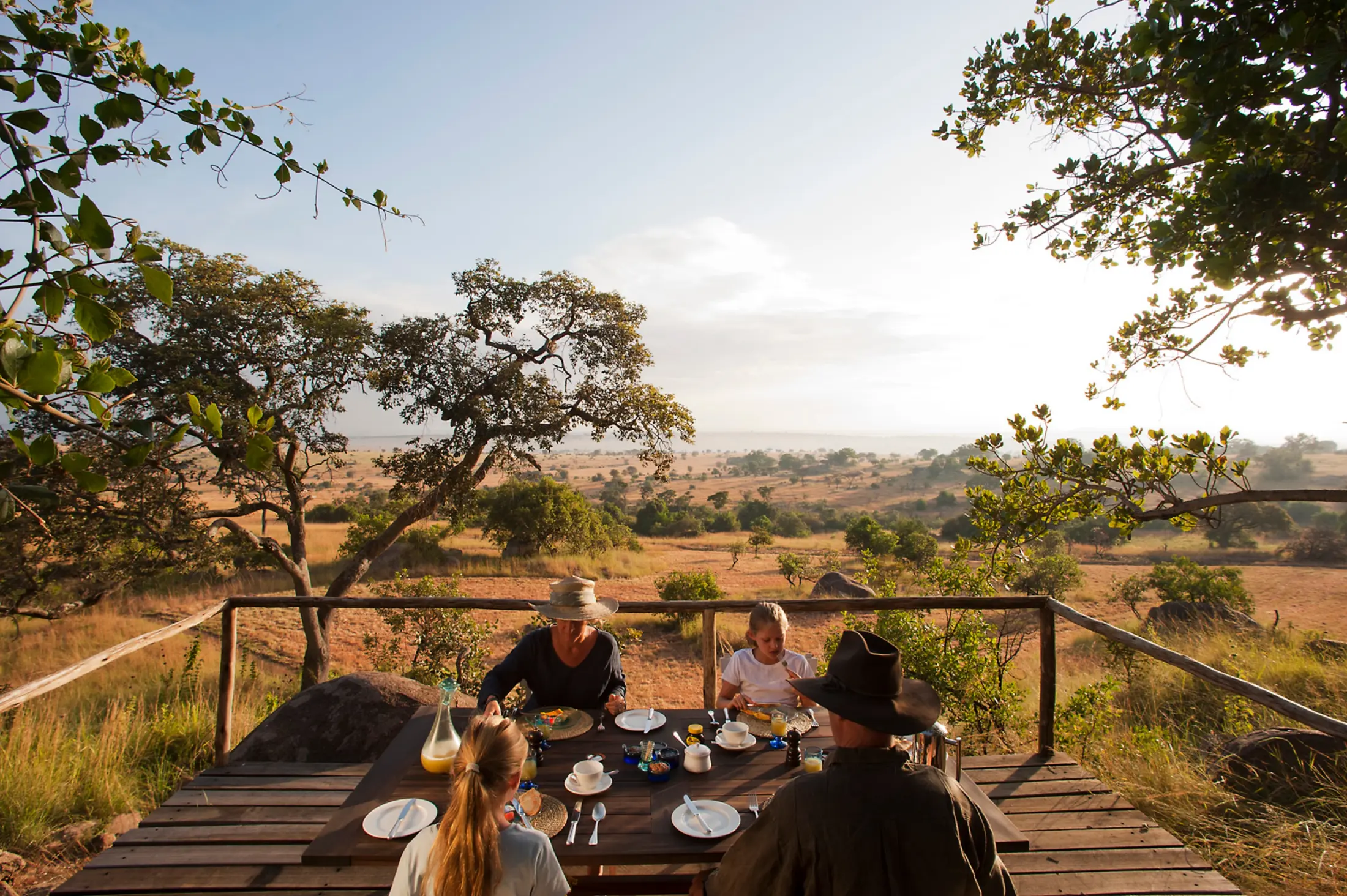
Family tents, interconnecting rooms and private houses are not interchangeable. Consider distance between rooms, escorted paths after dark, balcony safety, pool supervision and which adults sleep where.
Some unfenced camps do not accept very young children; others welcome them with specific arrangements. The policy and lived suitability are both important.
04
Choose guides for people
Knowledge matters, but so do patience, humour and the ability to read attention. A good family guide turns tracks, dung, birds and plants into discovery and knows when to stop talking.
Community visits should be respectful exchanges with clear hosts, not children placed on display for other children.
05
Health and practical preparation
Seek personalised travel-health advice well before departure and disclose allergies or medication. Pack familiar snacks where permitted, sun protection, layers and a small day bag for each child.
Build in arrival recovery and avoid a critical same-day connection after a long-haul flight. Family journeys benefit from more margin, not less.
Questions travellers ask
Useful answers, before you decide.
What is the best age for safari?
There is no universal age. Many school-age children engage deeply, but suitability depends on temperament, interests, activity rules and family expectations.
Can children share with parents?
Often, but occupancy limits and configurations vary widely. Exact ages and family composition must be checked with each property.
Will children cope with game drives?
Private vehicles, shorter sessions, varied activities and an engaging guide make a major difference. Avoid planning every day around adult endurance.
Can teenagers trek gorillas?
Only if they meet the responsible authority's minimum-age and health rules for the specific permit. These rules must be reconfirmed before booking.