
The short answer
What to know first.
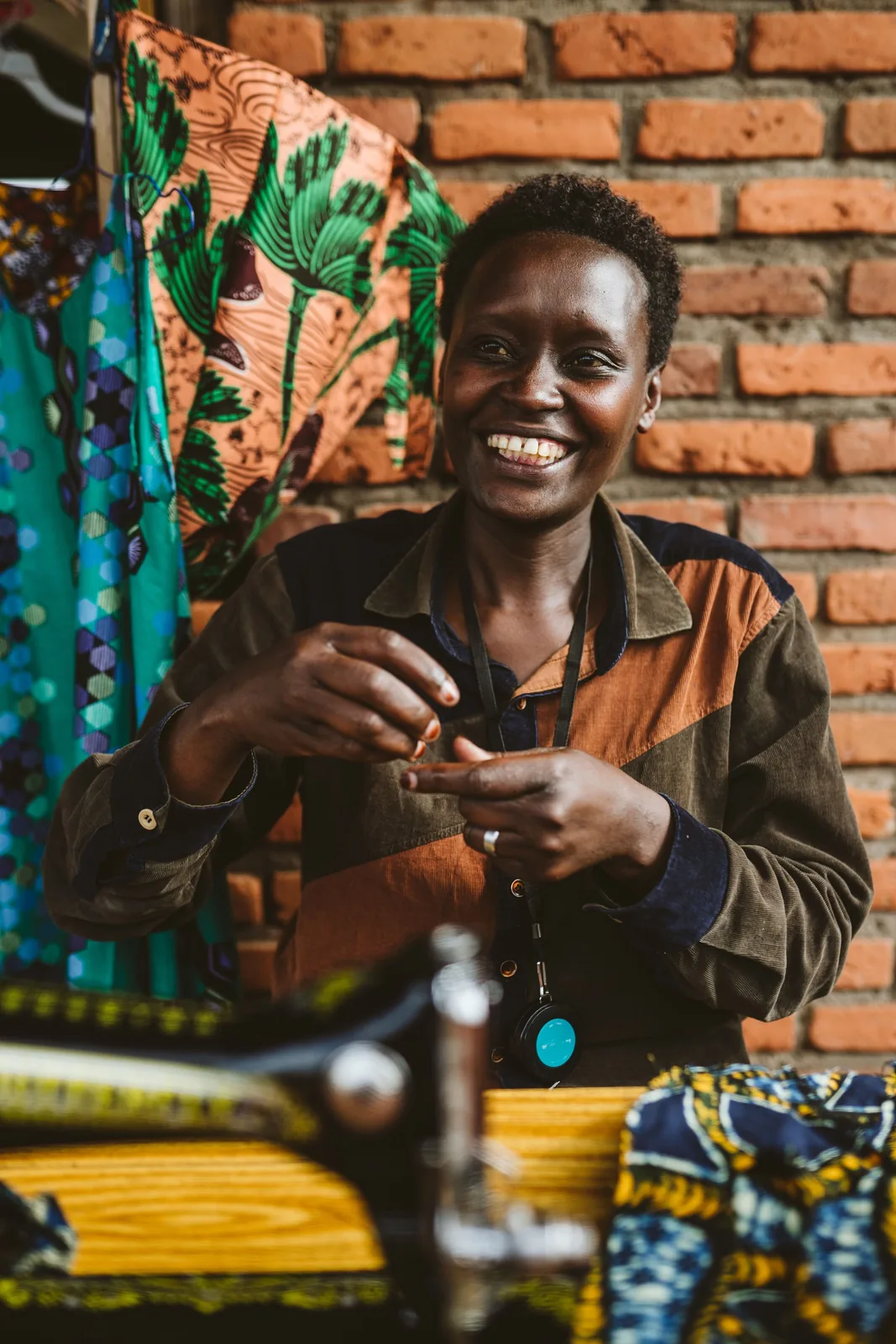
Around Bwindi, two kinds of cultural experience are routinely blurred on itineraries and should never be. A community walk visits the villages and enterprises of the forest edge: farms, craft workshops, women's cooperatives such as Ride 4 a Woman, schools where a visit is welcome, the working life of the communities the lodges employ from. A Batwa-led forest experience is different in kind: it is hosted by Batwa people themselves, the forest's first inhabitants, sharing their own knowledge and history on their own terms, and Sail arranges it with named hosts, connected to the community work it supports around the Batwa Empowerment Village and the Batwa Clinic, whose construction is ongoing. The distinction matters because the hosts are different people telling different stories, and a proposal that folds one into the other overclaims on paper and disrespects both in person. Each is booked ahead with its hosts, framed as encounter rather than spectacle, and described on client paper exactly as it is.
At a glance
The planning brief.
Two different things
A community walk visits villages and enterprises near the lodge; a Batwa-led experience is hosted by Batwa people themselves.
Name the hosts
Proposals say who hosts each experience. Blurring a village walk into a Batwa programme overclaims and disrespects both.
Encounter, not spectacle
Both are arranged with named hosts, in the stay's sector, framed as meeting people rather than viewing them.
Sail verifies
Which experiences genuinely run in the sector and season, arranged with the hosts before arrival.
01
What a community walk is
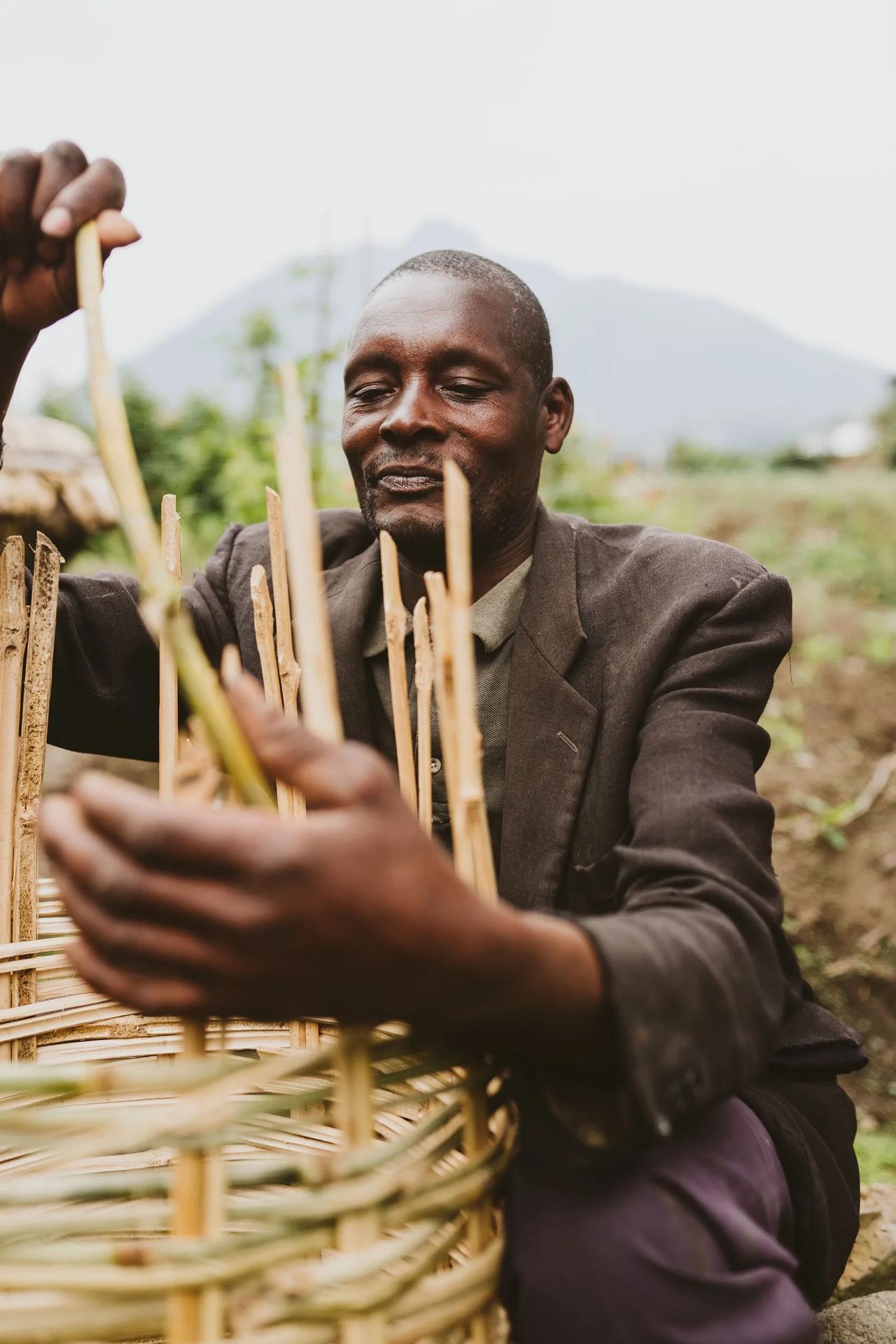
The forest-edge villages carry the working life of the region: farms on the terraced slopes, craft workshops, tea and coffee plots, and enterprises like Ride 4 a Woman where visitors are welcomed into real work rather than a performance of it. A community walk strings these together with a local guide, usually from the village itself.
Done properly it is one of the best half-days around Bwindi: unhurried, genuinely reciprocal, and honest about what it is. The money paths are visible, the hosts are named, and the guests leave knowing the place better rather than having viewed it.
02
What a Batwa-led experience is
The Batwa are the forest's first people, whose history with Bwindi and Mgahinga is long, complex and theirs to tell. A Batwa-led experience is exactly that: Batwa hosts sharing forest knowledge, story and song on their own terms, in settings the hosts choose, with arrangements made through the programmes that work with the communities directly.
Sail's connection here runs through its community commitments around the Batwa Empowerment Village and the Batwa Clinic, which is under construction and described that way. The experiences Sail books are with named hosts, agreed ahead, and the framing on every document is encounter with people, never observation of them.
03
Why the blur happens, and why it matters
Generic itinerary copy compresses everything cultural into one line: 'community and Batwa village visit'. It reads harmlessly and fails everyone. Guests arrive with mismatched expectations; village hosts are asked to perform a history that is not theirs; Batwa hosts see their story treated as an add-on to somebody else's afternoon.
The fix costs one sentence of honesty per experience: who hosts it, what it is, how long it runs. Proposals written that way survive the day itself, and the guests' memories match what they were sold, which is the entire point of honest paper.
04
How Sail books both
Both experiences are arranged before arrival, with the hosts and in the stay's actual sector, because availability and appropriateness vary by gate and season. Neither is improvised from a lodge desk on the day, and neither is ever positioned as a consolation activity for non-trekkers, though both serve trek-day mornings beautifully.
On client paper each carries its honest description and its host's name where the host wishes it. Photography follows the hosts' preferences, asked rather than assumed. What the guest buys is a meeting; what the community receives is employment and respect; and the proposal told the truth about both.
Questions travellers ask
Useful answers, before you decide.
Can both experiences fit in one Bwindi stay?
Comfortably, across a three-night stay: a community walk one afternoon and a Batwa-led experience another morning. They complement each other precisely because they are different things.
Are these suitable for children?
Generally yes, and they often become the children's favourite mornings. Sail confirms the day's shape with the hosts where young children are in the party.
How should an advisor describe them on a proposal?
As two named experiences with their actual hosts: a community walk with village enterprises, and a Batwa-led forest experience with Batwa hosts. Sail supplies proposal-ready lines that match what actually happens.