
The short answer
What to know first.
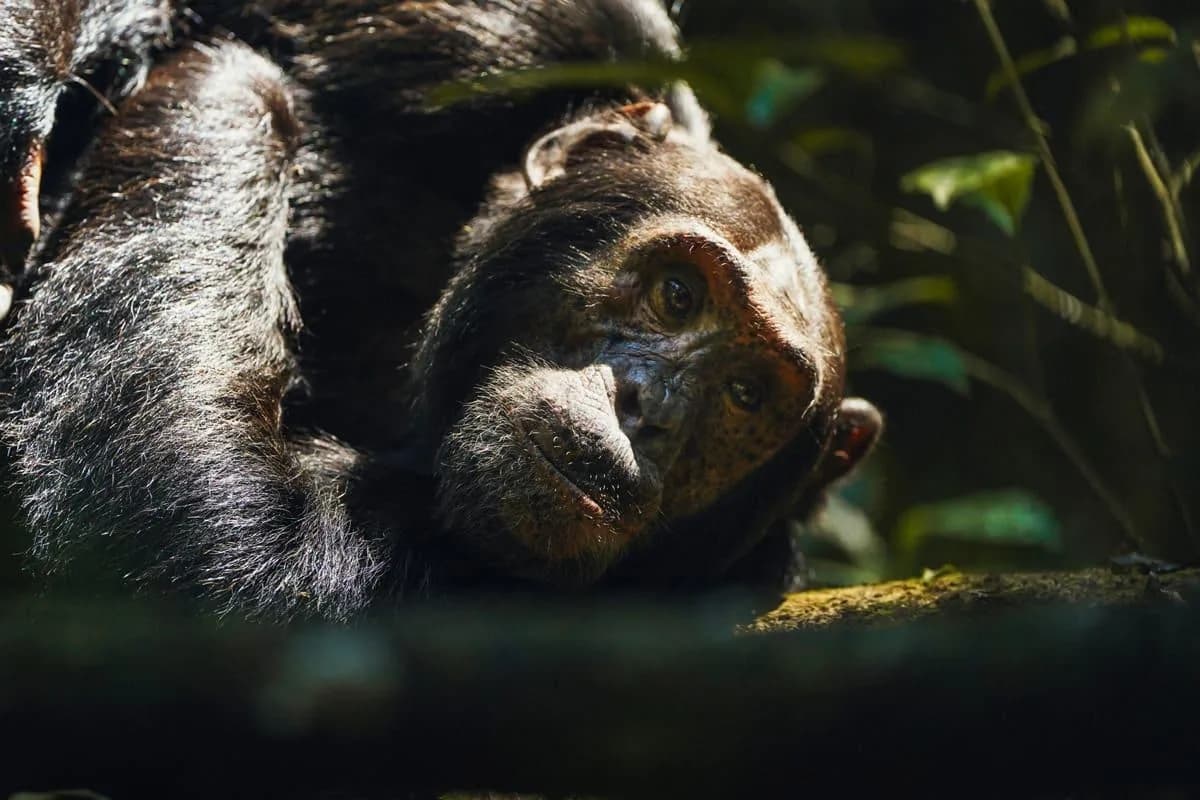
Standard tracking is Kibale's classic product: a guided morning or afternoon from Kanyanchu to a fully habituated community, with a regulated hour in their company once found. The habituation experience is a longer day spent alongside rangers and researchers with a community still being habituated: more forest hours, earlier starts, wilder and more distant behaviour. The honest rule is that the longer day buys time, never a promised closer view; on either product the chimpanzees set the terms. Ages, tariffs and conditions differ between the two and are confirmed at booking. Sail books both against the same UWA desk that holds its gorilla files, and matches the product to the party's legs and appetite.
At a glance
The planning brief.
Standard tracking
A guided morning or afternoon to a habituated community, with a regulated hour once the chimpanzees are found.
The habituation day
A longer day alongside researchers with a community still being habituated. More forest hours, wilder behaviour.
What it never buys
A promised closer view. Chimpanzees move at their own speed on both products, every day.
Sail verifies
Availability of both products, current conditions and minimums, and which suits the party's legs.
01
The standard morning
Tracking runs from the Kanyanchu visitor centre into tall, closed-canopy forest, following communities that have been habituated over many years. Once the chimpanzees are found, the visit is regulated to a disciplined hour, and the hour is usually loud, fast and unforgettable.
This is the right product for most first meetings: the communities are settled around people, the walking is moderate, and the morning folds neatly into a western Uganda circuit between crater lakes and Queen Elizabeth country.
02
The habituation day
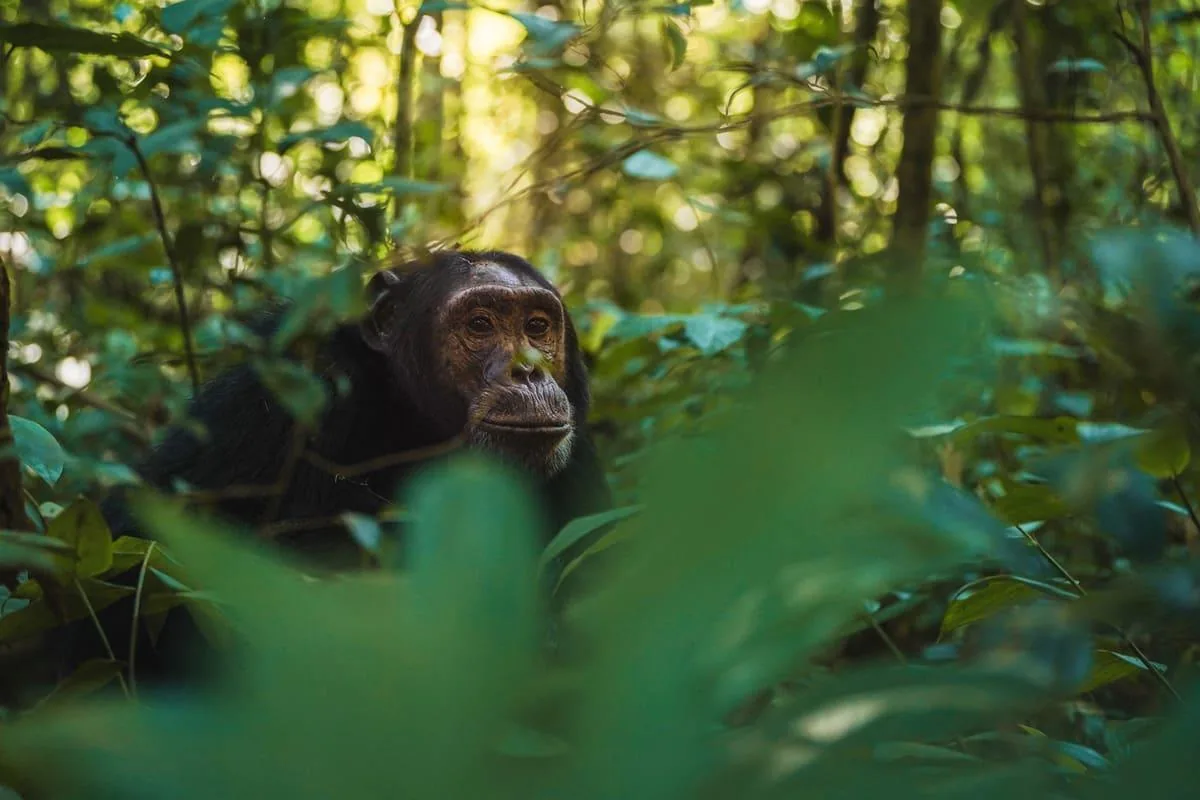
The habituation experience attaches guests to the slow, patient work of accustoming a wild community to human presence: out early with rangers and researchers, following further, waiting longer, reading behaviour rather than collecting portraits. It is a working day in the forest, and it feels like one.
Its gift is time and texture: nest-leaving at dawn, feeding, squabbles, long silences. Its price is effort and uncertainty, and anyone who sells it as a guaranteed closer encounter has inverted the truth: less habituated means, on average, more distance.
03
Choosing between them
Choose the standard morning when the goal is to meet chimpanzees well inside a balanced route, when legs are ordinary, or when the day must share space with a drive. Choose habituation when the forest itself is the brief: photographers of behaviour, returning primate travellers, and guests who love process.
Conditions, minimum ages and tariffs differ between the products and move over time; both are confirmed with UWA at booking. Neither carries any sighting guarantee, and Kibale's strong tracking record is a norm, not a promise.
04
How it sits in a route
Either product pairs naturally with the gorilla chapter: Kibale sits on the western circuit that links Bwindi, Queen Elizabeth and the crater lakes, and the chimpanzee day is placed where the route's rhythm wants a kinetic morning rather than another drive.
On a NETT trade file the chimpanzee permit sits beside the gorilla permit as a park-authority line, collected on UWA's timetable; the operational discipline is identical, which is exactly why one desk should hold both.
Questions travellers ask
Useful answers, before you decide.
Does the habituation day get you closer to chimpanzees?
No, and often the opposite: the community is less accustomed to people, so distance is part of the design. What the day buys is time and wilder behaviour, honestly framed.
What is the minimum age?
Standard Kibale tracking is open from 12; the habituation experience carries its own conditions. Both are confirmed with UWA for the actual dates at booking.
Which is better for photography?
For portraits, the standard morning with its settled communities. For behaviour at distance, the habituation day rewards long lenses and patience.