
The short answer
What to know first.
The structural difference between the two great gorilla parks is where the morning begins. Volcanoes National Park in Rwanda briefs every trekker at a single point, then assigns families and trailheads on the day, so any lodge within reasonable reach of the briefing serves any trek. Bwindi Impenetrable Forest in Uganda sells permits by sector, four of them, each with its own gate and its own briefing, so the lodge must sit at the permit's gate or the morning starts with hours of mountain road. Neither structure is better for gorillas: the families, the regulated hour and the trekking disciplines are equals. Rwanda's shape buys planning simplicity at Rwanda's permit tariff; Bwindi's shape buys choice across four different landscapes and lodge markets, and demands that permit and lodge be matched exactly. The right answer comes from the whole route, the budget's shape and the party's taste, confirmed against live availability at booking.
At a glance
The planning brief.
Rwanda's shape
One park, one morning briefing point, trailheads assigned on the day: any nearby lodge serves any family.
Bwindi's shape
Four sectors with separate permits and gates: the lodge must match the sector or the dawn pays for it.
What it is not
A quality ranking. The families, the hour and the disciplines are equals; the geography differs.
Sail verifies
Live availability in both systems and the lodge-to-briefing arithmetic for the actual dates.
01
One briefing point, four gates
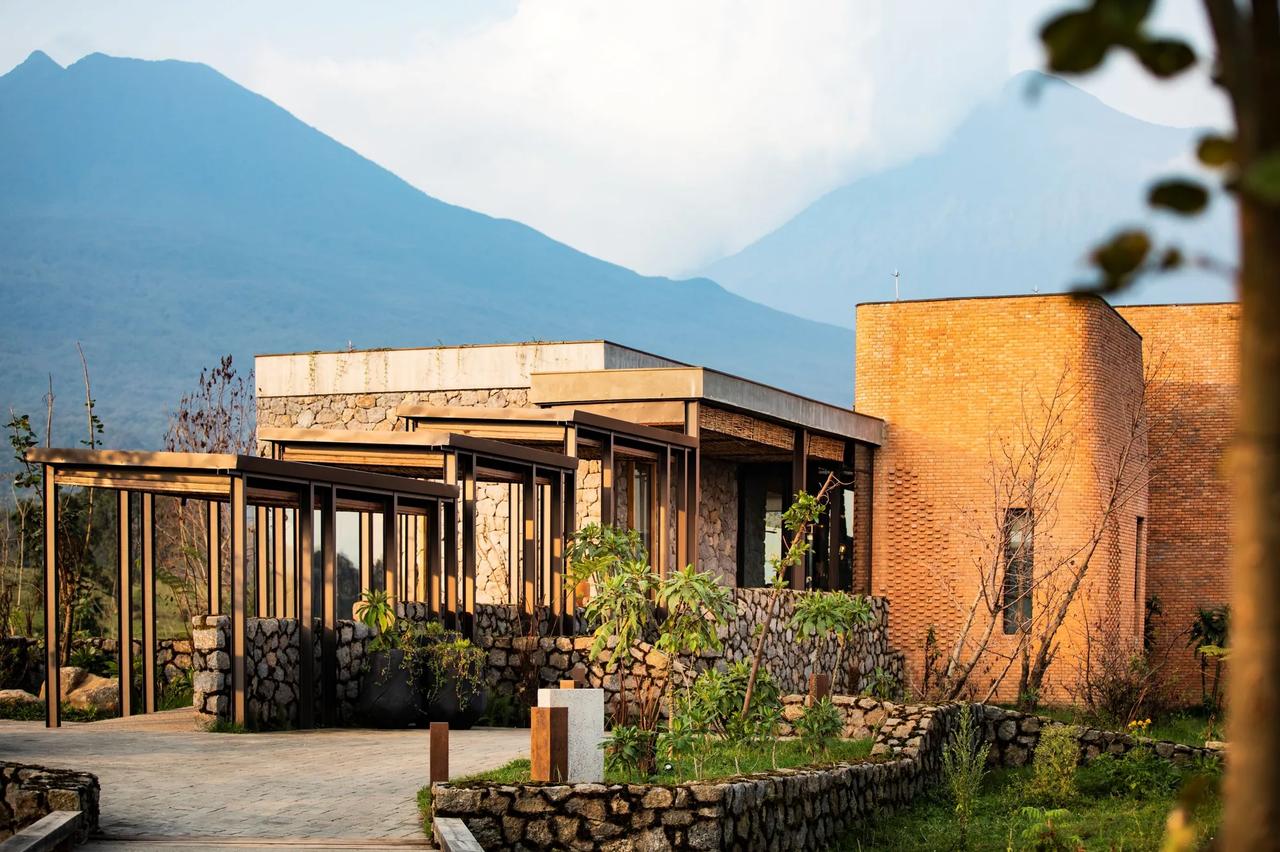
Rwanda's system is centralised: every permit holder arrives at the park headquarters early, coffee in hand, while rangers match parties to families and trailheads for that day. The elegance is operational: lodge choice is freed from trek allocation, and a party can stay anywhere in the Volcanoes corridor knowing the morning works.
Bwindi is a different animal: a vast forest with four trekking sectors, Buhoma, Ruhija, Rushaga and Nkuringo, each selling its own permits and briefing at its own gate. The permit names the sector; the sector names the gate; and the lodge either sits near that gate or the file has bought a beautiful problem.
02
What Rwanda's shape buys
Simplicity, compactness and time. Kigali to the Volcanoes lodges is a single afternoon's drive on good roads, the briefing is one known point, and a short Rwanda file can hold a trek inside a long weekend. For honeymooners, tight schedules and first gorilla journeys that value polish, this shape is persuasive.
Its costs are equally plain: Rwanda's permit tariff sits well above Uganda's, confirmed at booking, and the single-briefing system means trailhead assignment is the rangers' call on the day, with fitness and preference taken into account at the morning allocation rather than at purchase.
03
What Bwindi's shape buys
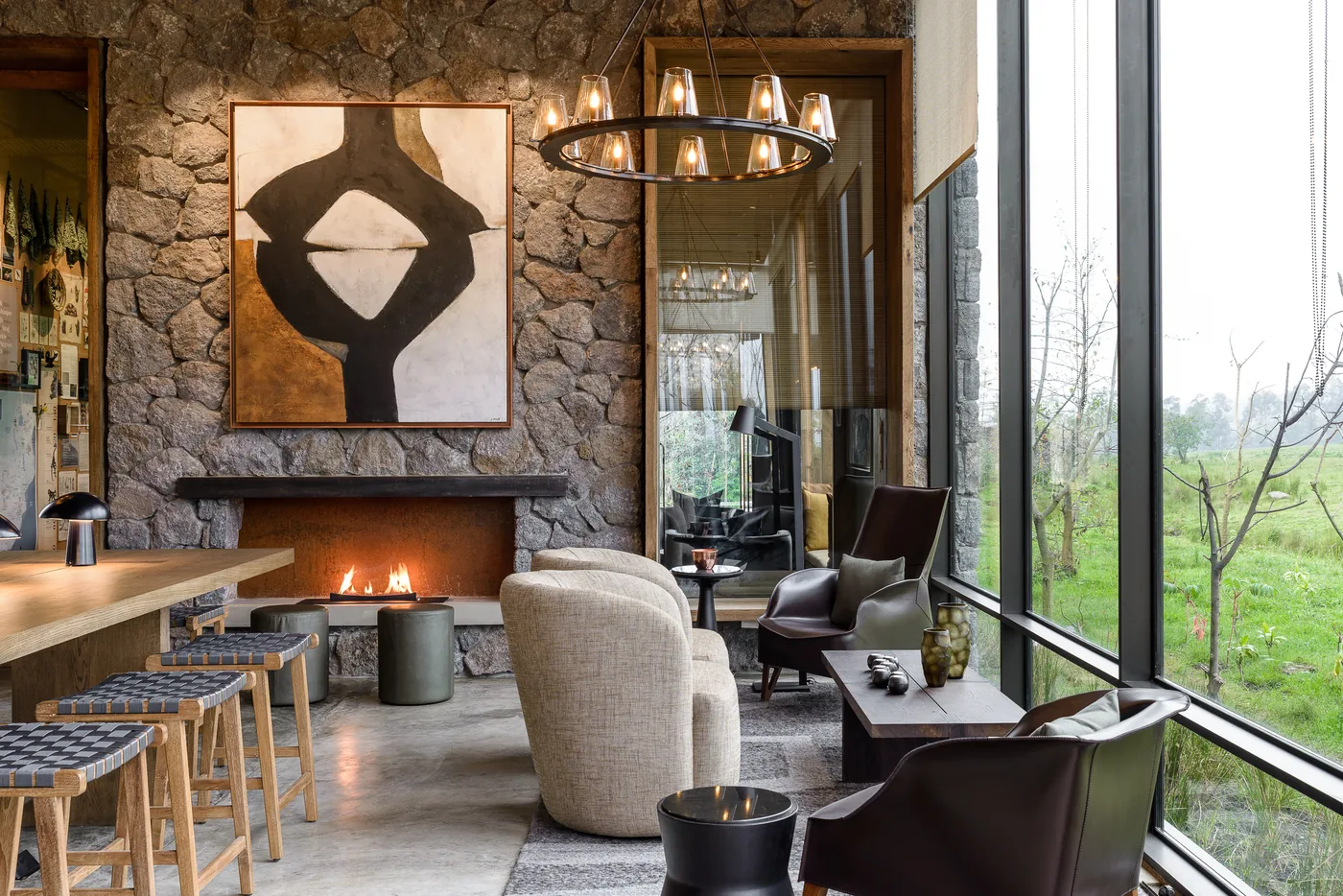
Choice, range and value. Four sectors mean four landscapes, four lodge markets from polished to intimate, and permit availability spread across many families. The southern sectors pair with the Kigali approach through Kisoro; Buhoma carries the forest's oldest lodge story; Ruhija sits high and quiet.
The demand it makes is exactness. A permit in Rushaga with a lodge in Buhoma is not a plan but a five-hour mountain transfer at dawn. The sector decides the lodge shortlist, never the other way around, and every Sail Bwindi file is built gate-first for that reason.
04
Choosing between the shapes
Route first: a journey exiting through Entebbe, or continuing into Uganda's savannah, leans Bwindi; a compact file in and out of Kigali leans Volcanoes, though southern Bwindi through Kisoro keeps the Kigali approach honest. Budget shape second: the permit difference is real and fixed by the authorities, and it moves the whole file's arithmetic.
Taste last, because both parks can serve most tastes once the structure fits. The wrong reason to choose is a ranking: no sector or trailhead owns the better gorillas, and any brief built on that idea has already gone wrong. Sail holds live availability in both systems and lets the actual dates arbitrate.
Questions travellers ask
Useful answers, before you decide.
Are the gorillas different between the two parks?
Both parks protect habituated mountain gorilla families under the same regulated hour. No honest operator ranks the families; the differences that matter are structural, not biological.
Can trek difficulty be chosen in each system?
In Rwanda, preferences and fitness are weighed at the morning allocation. In Bwindi, sector choice shapes the range of likely treks, and the rangers assign families on the day. Neither system sells a guaranteed easy walk.
Which is better for a first trek?
Whichever the route serves. A compact Kigali file suits Volcanoes; a Uganda journey or a value-conscious file suits Bwindi, southern sectors via Kisoro included. The trek itself rewards both answers.