

The short answer
What to know first.
Every safari website is green now, and the traveller who wants their money doing real work needs a filter sharper than adjectives. Here is the one we use, applied to ourselves as readily as to anyone. Real conservation has names: specific programmes, specific partners, specific places, the Grumeti Fund's ranger corps, a named conservancy's lease payments, a school you could drive to, where greenwash has a colour palette and the word ecosystem. Real conservation is visitable: the claims survive a guest standing inside them, meeting the rangers, seeing the classroom, asking the awkward question, and operators confident in their impact offer the visit before you ask. Real conservation is auditable through the fee lines this journal has already mapped: conservancy per-night fees flowing to member landowners, park tariffs funding published authority programmes, concession revenue carrying protection costs, each visible on an honest quote, against donations of unstated size to unnamed beneficiaries. And real conservation shows up in payroll and procurement: who is employed, from where, trained how, promoted to what, because a lodge's deepest community programme is usually its staff ladder. The questions that filter the field fit on a card: which programmes, funded how, what percentage of what, visitable when, and who answers for it. Sail's own answers are published and repeated on request: the stated share of profits to conservation and community work, named partners a file can visit, and the fee-transparent quotes this journal documents. Ask us, then ask everyone else.
At a glance
The planning brief.
Named beats vague
Real impact has named partners, published models and addresses; greenwash has adjectives and drone footage.
The visit test
Claims that survive a visit are the standard: programmes you can stand inside, staff who can answer questions, money whose path is explainable.
Follow the fee lines
Conservancy per-night fees, park tariffs and concession funding are the auditable spine; our fee page shows where each line goes.
Ask any operator
Which programmes, funded how, visitable when, and what percentage of what: the questions themselves filter the field.
01
Names, or adjectives
Start with the simplest sort: does the claim have proper nouns. Sustainable, eco-conscious, community-focused and gives back are adjectives; the Grumeti Fund, a named conservancy's landowner payments, a named school's sponsorship, a named sanctuary's veterinary programme are checkable facts with addresses. The greener the language and the fewer the names, the stronger the signal, in the wrong direction.
Follow each name one step: the genuine programme exists beyond the operator's own website, in the partner's publications, the authority's records, the conservancy's own reporting. This is five minutes of diligence, the same five minutes our operator-trust page prescribes for licences, and it filters most of the field before a single question is asked.
02
The visit test
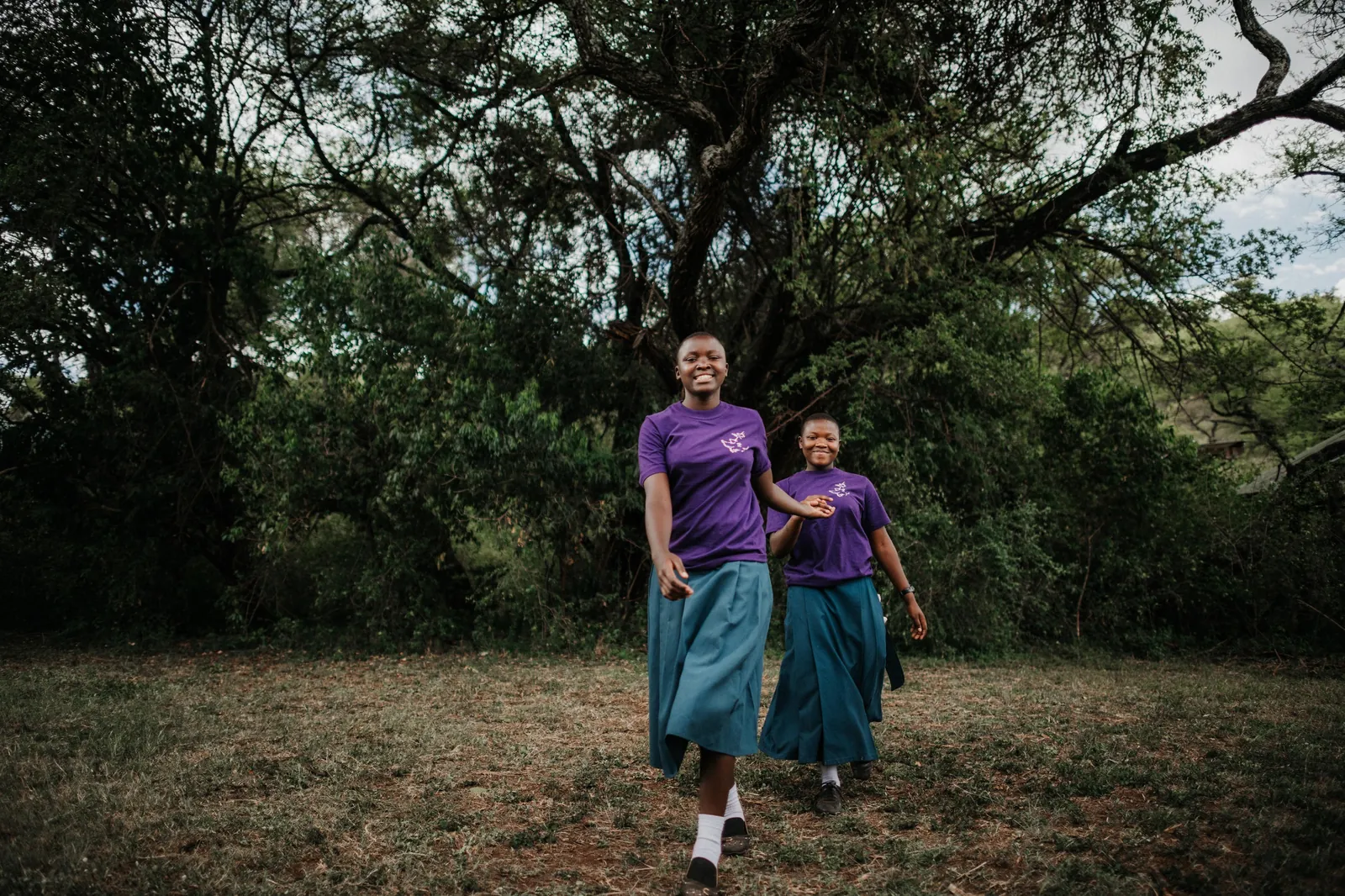
The strongest filter needs no research at all: ask to see it. Real programmes welcome guests, the operations room where the canine unit trains, the conservancy office where lease payments are explained, the community projects that name their funders on the wall, and the people there answer unscripted questions because they do the work daily. Brochure conservation deflects the request with scheduling regret.
The visit also converts the traveller: watching a ranger team deploy, or a classroom your fees helped roof, turns an abstract percentage into the trip's most quoted morning, which is why our files build impact visits in rather than bolting them on. The test transfers everywhere this journal reaches: the forest funds our gorilla pages audit, the corridor economics our Grumeti page maps, and the conservancy models the Kenyan pages price all pass it, which is exactly why we sell them.
A courtesy the test demands in return: visit as a guest, not an auditor with a lanyard. Programmes involving children and communities have their own protocols, photographs by permission, visits by arrangement, dignity ahead of content, and the operator who enforces those rules on its own guests is showing you the strongest evidence of all: that the programme exists for its participants rather than for its photography.
03
Follow the money's published path
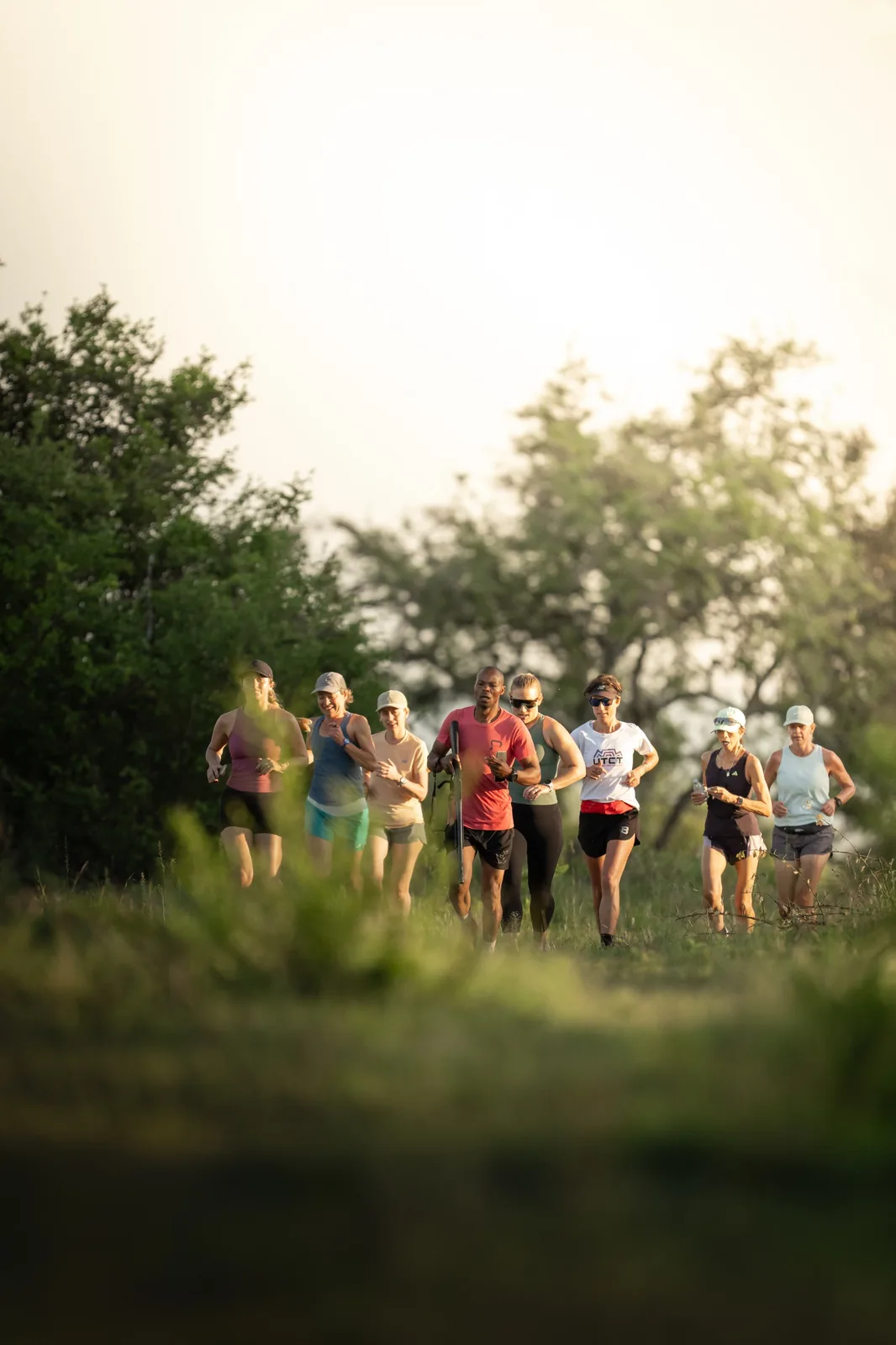
Impact claims become auditable the moment they touch the fee layer, because the fee layer is published. Conservancy per-night fees at current schedules flow to member landowners under models our fee page prices; park tariffs fund the authorities' published programmes; private-concession premiums carry protection costs the operators document. An honest quote shows these lines separately, which means a guest can trace real money to real ground without trusting anyone's brochure.
The complement is the operator's own contribution, and here the standard is stated share and stated destination: a defined percentage of profits or revenue, named beneficiaries, and reporting a guest could request. Sail publishes its own on this basis, the stated share of profits to conservation and community work through named, visitable partners, because a percentage of an unstated number going somewhere unnamed is not a commitment, it is a sentence.
The name test
Specific programmes, partners and places beat adjectives: follow each proper noun one step beyond the operator's own site.
The visit test
Real programmes welcome guests and answer unscripted questions; brochure conservation has a scheduling conflict.
The fee-line test
Conservancy, park and concession lines are published and traceable; an honest quote shows them separately.
The payroll test
Local employment, training and promotion are the deepest community programme: ask who runs the camp and where they started.
04
The questions, and asking them of us
The card a values-led traveller or diligent advisor needs: Which specific programmes do you fund, and with what, a percentage of profits, of revenue, a per-guest levy? Can my clients visit them? Who owns the land my nights are on, and what do they receive? Who is employed, from where, and what does progression look like? And the closer that sorts the sincere from the fluent: what has your impact work changed in the last two years, and what failed?
Every question applies to Sail, and the answers are standing: the stated share of profits to conservation and community work, the named partners, forest and savannah, that files visit routinely, fee-transparent quotes as house rule, and the failures owned as readily as the wins, because impact work that never fails is impact work that never gets audited. From the Sail operations desk, checked August 2026: the travellers who ask these questions book longer trips and better camps, which is the quiet economic argument for a greener industry that nobody markets.
Questions travellers ask
Useful answers, before you decide.
What is the fastest way to spot greenwashing on a safari site?
Count the proper nouns: real impact names programmes, partners and places you can check and visit; greenwash runs on adjectives and photography. Then ask to visit, and watch the response.
Do conservancy fees really reach communities?
The models are published: per-night fees flow to member landowners under each conservancy's schedule, visible as lines on an honest quote. Our fee page carries current figures and where each line goes.
Is a percentage-of-profits pledge meaningful?
Only with a stated share, named beneficiaries and answerable reporting: a percentage of an unstated number going somewhere unnamed is a sentence, not a commitment. Ask for all three.
Can guests actually visit conservation projects?
The real ones welcome it, and the visit is often the trip's best morning: ranger operations, conservancy offices, community programmes with their funders on the wall. Sail builds these visits into files on request.