
The short answer
What to know first.
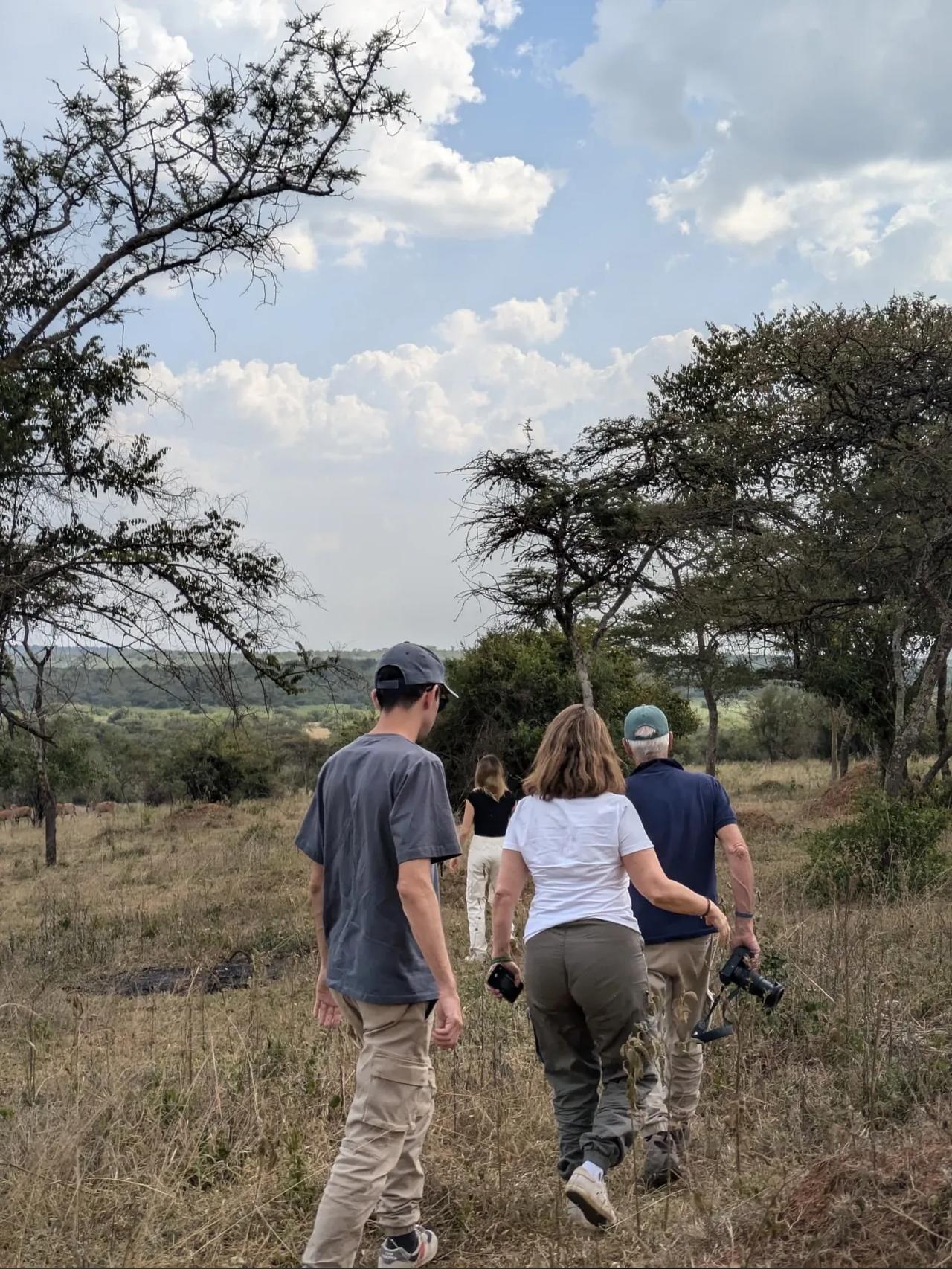
A twelve-night family safari with one Uganda gorilla trek is designed around a single fixed point and two honest chapters. The fixed point is the permit: gorilla trekking is fifteen and over, so the trekking adults' date is secured first against live availability, with every age checked against a passport. The chapters are forest and savannah, in that order or reversed by flights, with the under-15 morning designed rather than improvised: a named adult stays, and the younger children's day is golden monkeys where ages allow, forest walks below the trailheads or a lodge morning planned with the same care as the trek. What twelve nights will not carry gracefully is four countries; two is the honest count, three only when flights do the work. Prices are confirmed at booking, no sighting is promised, and rest nights protect the long-haul at both ends.
At a glance
The planning brief.
The fixed star
One Uganda gorilla trek for the fifteen-and-overs, secured first against live availability; everything else flexes around it.
The under-15 morning
A designed Plan B with a named adult who stays: the younger children's day is chosen, never left over.
Two chapters, not four
Forest and one savannah, joined by sensible transfers. Twelve nights carry two countries well and four badly.
Sail verifies
Permit availability for the family's exact dates, ages against passports, and rest built around the long-haul.
01
Start with the one immovable date
Everything in a family gorilla file orbits the permit. It is limited inventory, issued against passports, age-governed at fifteen, and in Uganda held by full payment under the authority's terms. So the design sequence is fixed: dates and ages first, live permit availability second, permits held third, and only then the pleasant argument about which savannah.
Families who reverse this, building the safari and adding the trek last, discover that the one thing they could not move was the thing they left flexible. The permit-first habit is not caution; it is simply how the region's scarcest asset works.
02
The two-chapter shape
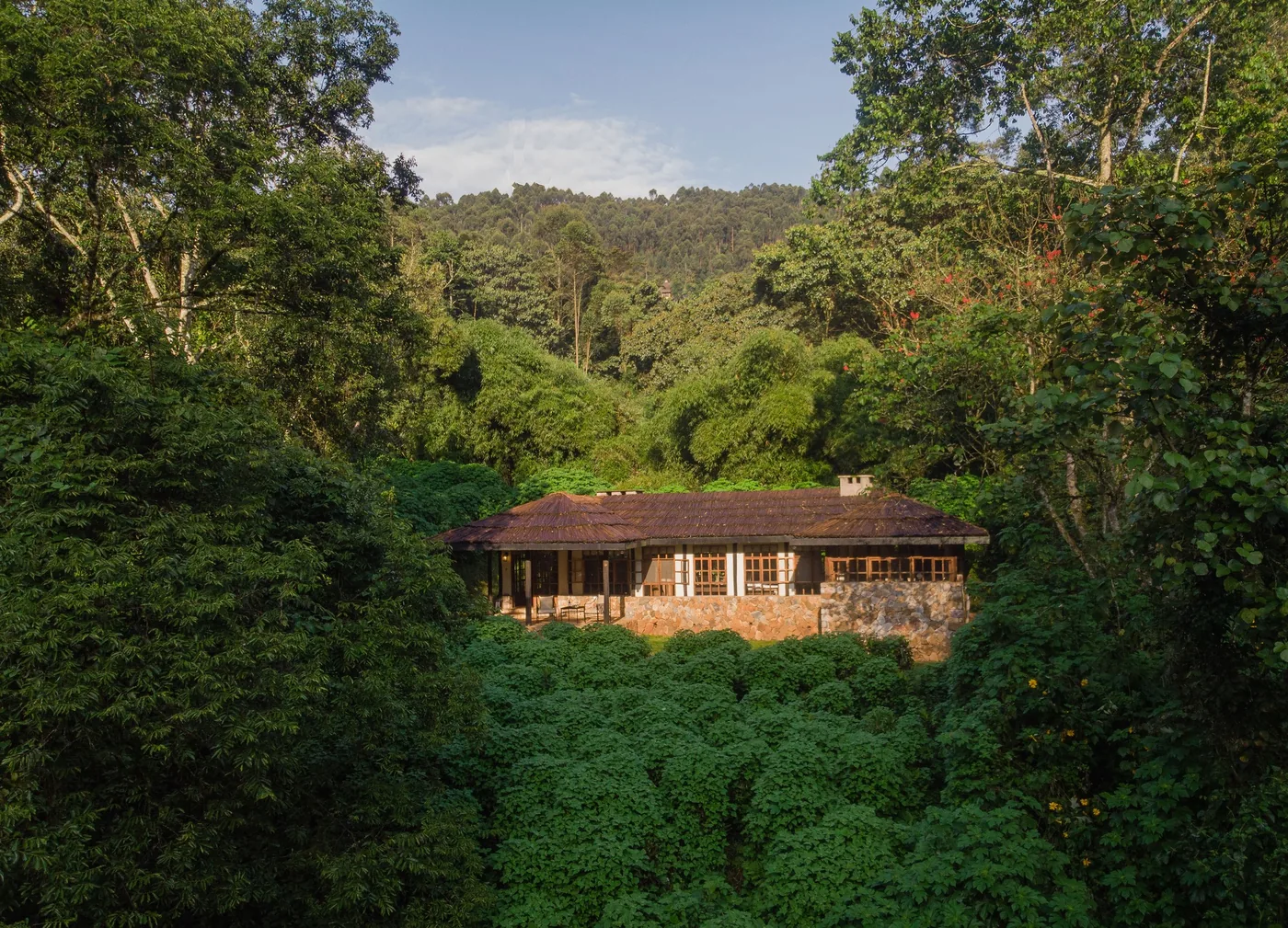
Twelve nights divide naturally into a forest chapter and a savannah chapter. The forest wants three nights around the trek: arrival, the trek day itself, and the unhurried morning after. The savannah wants four or five to stop feeling like a viewing appointment, and the remaining nights absorb arrival, transfer and the buffer before the flight home.
The order is set by flights and by the family's energy: some files trek first while legs are fresh, others end in the forest as the crescendo. Both work. What does not work is a third country wedged between them, paying for itself in airport hours the children feel most.
03
The under-15 morning, designed
The age line is absolute and known in advance, so the younger children's trek-day morning is a design item from the first draft. A named adult stays with them, agreed at design rather than negotiated at breakfast, and the morning itself is chosen: golden monkeys where current minimum ages allow, a guided forest walk below the trailheads, or a lodge programme that feels like a privilege rather than a consolation.
The family reunites at lunch with two stories instead of one. Done well, the under-15 morning is remembered as its own adventure, and the child who missed the gorillas at thirteen becomes the traveller who returns for them at eighteen.
04
What the twelve nights refuse
No four-country crush: every border and airport spends the family's patience, and twelve nights of patience is a budget like any other. No invented certainty: the gorillas will be found by trackers on the day, the savannah will show what it shows, and nothing in the file promises otherwise. No heroic road days: where a road would eat six hours, a flight earns its keep.
And no improvisation on the facts that govern children: ages against passports, current activity minimums confirmed at booking, and the honest conversation about fitness before a trek is bought for anyone. The itinerary that survives these refusals is the one worth operating.
Questions travellers ask
Useful answers, before you decide.
Can a twelve-night family safari include both gorillas and the Great Migration?
Sometimes, with flights doing the joining and the permit fixed first. Whether it should is a different question: the pairing spends heavily on transfers, and many families keep the migration for its own journey.
What do children under fifteen do on trek day?
A designed morning with a named adult: golden monkeys where current ages allow, forest walks below the trailheads, or a planned lodge programme. It is chosen at design, never left to the morning.
How far ahead should a family book this journey?
As soon as dates can be committed, because family files need several permits on one date, which multiplies the scarcity. School-holiday windows deserve the earliest commitment of all.