
The short answer
What to know first.
A gorilla honeymoon works when the trek sits in the middle of the journey, cushioned on both sides: a gentle arrival chapter first, three nights in the permit sector with the trek on the complete middle day, and an unhurried chapter after, whether savannah, crater lakes or the coast. The permit is booked first and the romantic lodge is chosen from within its sector, not the other way round. Permits are paid in full at confirmation under the authorities' rules, and nothing about the morning, including the sighting, is ever promised.
At a glance
The planning brief.
The shape
Arrive gently, trek in the middle, rest after. The forest chapter carries the journey's meaning, not its fatigue.
Three nights
The settled night before briefing and the slow morning after are what make a honeymoon of it.
After the forest
Savannah, crater lakes or the coast follow; nothing with a dawn start lands the day after the trek.
Sail verifies
Permit dates, a sector with the right lodge character, and the private moments booked before travel.
01
Why gorillas belong on a honeymoon
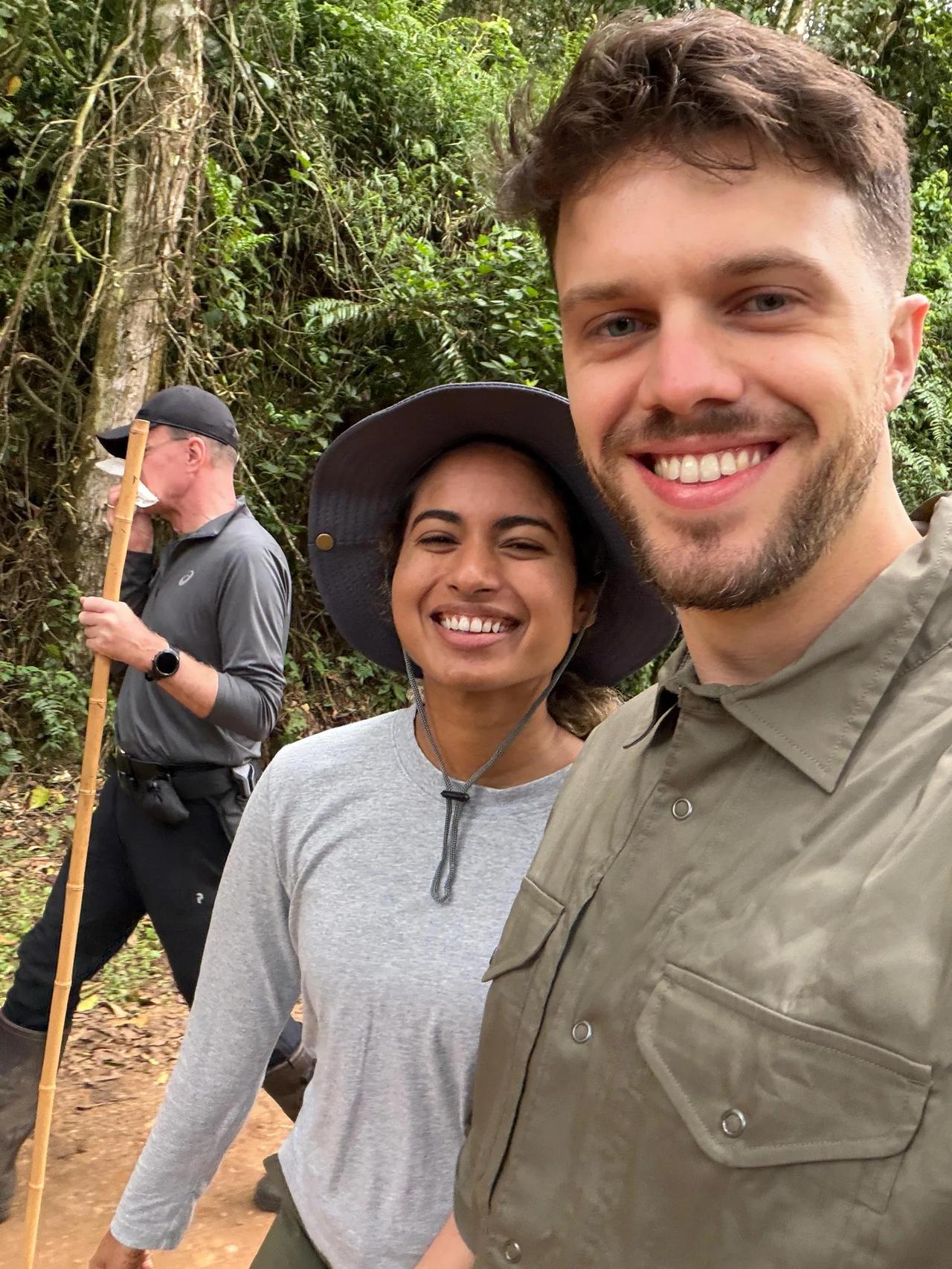
A honeymoon built only of ease blurs; the hour with a gorilla family is the opposite of blur. Couples consistently describe the trek as the moment the journey became theirs, precisely because it asked something of them first. The forest is intimate in a way no dining deck can manufacture.
The design task is to keep that intensity a gift rather than a tax: one trek, properly cushioned, inside a journey that otherwise moves gently.
02
The shape that works
Arrive into Entebbe or Kigali and spend the first night or two somewhere soft, letting the long-haul fade before the forest asks for legs. Take three nights in the permit sector: settle, trek, recover. Then let the journey open out into whichever chapter suits the couple, with nothing that demands a dawn start on the day after the trek.
Rwanda's compactness suits shorter honeymoons: Kigali to Volcanoes is quick, and the trek can sit early with beach or Akagera after. Uganda rewards honeymoons with more days, folding the trek into crater lakes, savannah and the slow west. Both are designed from the same desk, and the choice follows the couple's time and taste.
03
Choosing the lodge, in the right order
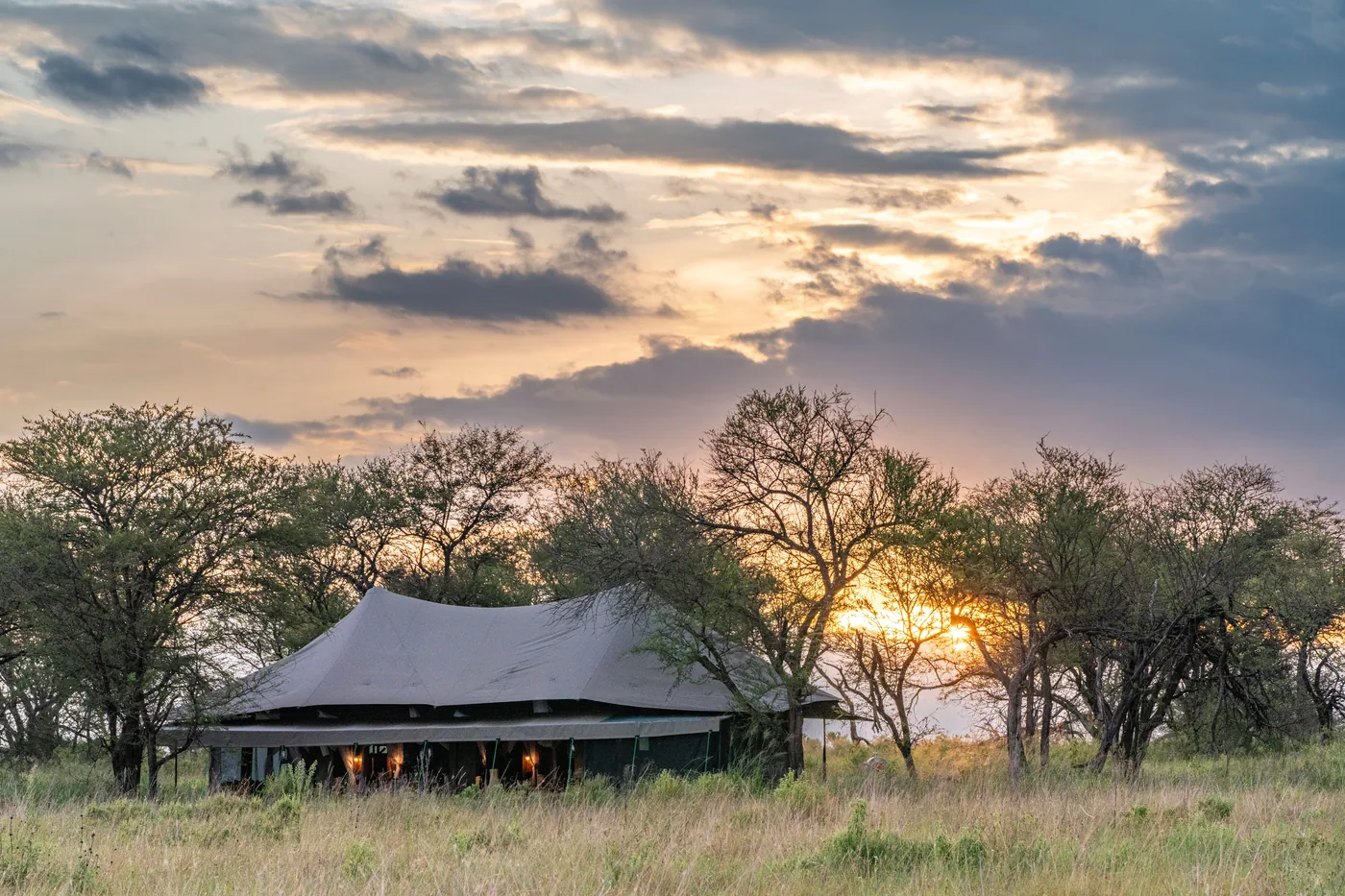
The romantic shortlist comes second. The permit sector comes first, because a celebrated address on the wrong side of Bwindi gives the couple a 4am wedding present nobody wants. Within the paid sector there is almost always a stay with the character a honeymoon asks for: a private terrace, a fireplace, a bath with a forest view, dinner that can be moved outside.
The quiet comforts are arranged before travel rather than improvised: the private dinner on the best evening, the later breakfast on the morning after the trek, the massage booked for aching legs rather than offered to them.
04
Honesty, even on honeymoon
The trek is real: steep ground, possible rain, a walk whose length the forest decides, and a regulated hour with the family when it comes. Minimum age is 15, permits are non-transferable in the working assumption, and no sighting is guaranteed to anyone, married or not.
Couples brief honestly on fitness, pack for mud without embarrassment, and treat the certificate photograph afterwards as the true formal portrait of the honeymoon. In our experience it is the one they frame.
Questions travellers ask
Useful answers, before you decide.
Uganda or Rwanda for a honeymoon trek?
Rwanda for compact time and a quick return to comfort, Uganda for a longer journey with more chapters around the forest. The wider honeymoon decides, and both run from the same Sail desk.
Should we trek early or late in the honeymoon?
In the middle. Early enough that legs are fresh and the story colours everything after, late enough that the long-haul is out of the body first.
Can the trek be made easier for us?
Porters help, honest fitness notes shape the morning, and where the park allows, allocation can reflect them. The walk itself remains the forest's decision, which is rather the point.