
The short answer
What to know first.
Plan fewer, longer stays; protect privacy with a private vehicle or well-chosen camp; balance early wildlife mornings with uncommitted time; and treat the beach, if included, as a distinct chapter. Tell your designer what romance means to you rather than relying on generic honeymoon extras.
Ask Sail to plan around this answerSee the journeys priced for it
At a glance
The planning brief.
Prioritise privacy
Private vehicles, smaller camps and well-spaced rooms often matter more than decorative extras.
Slow the route
Three- and four-night stays create space for spontaneity, rest and time together.
Build contrast
Pair an intense wildlife chapter with forest, lake, highlands or coast where appropriate.
Tell us
Share the celebration, preferred energy and what romance genuinely means to you.
01
Define your version of romance
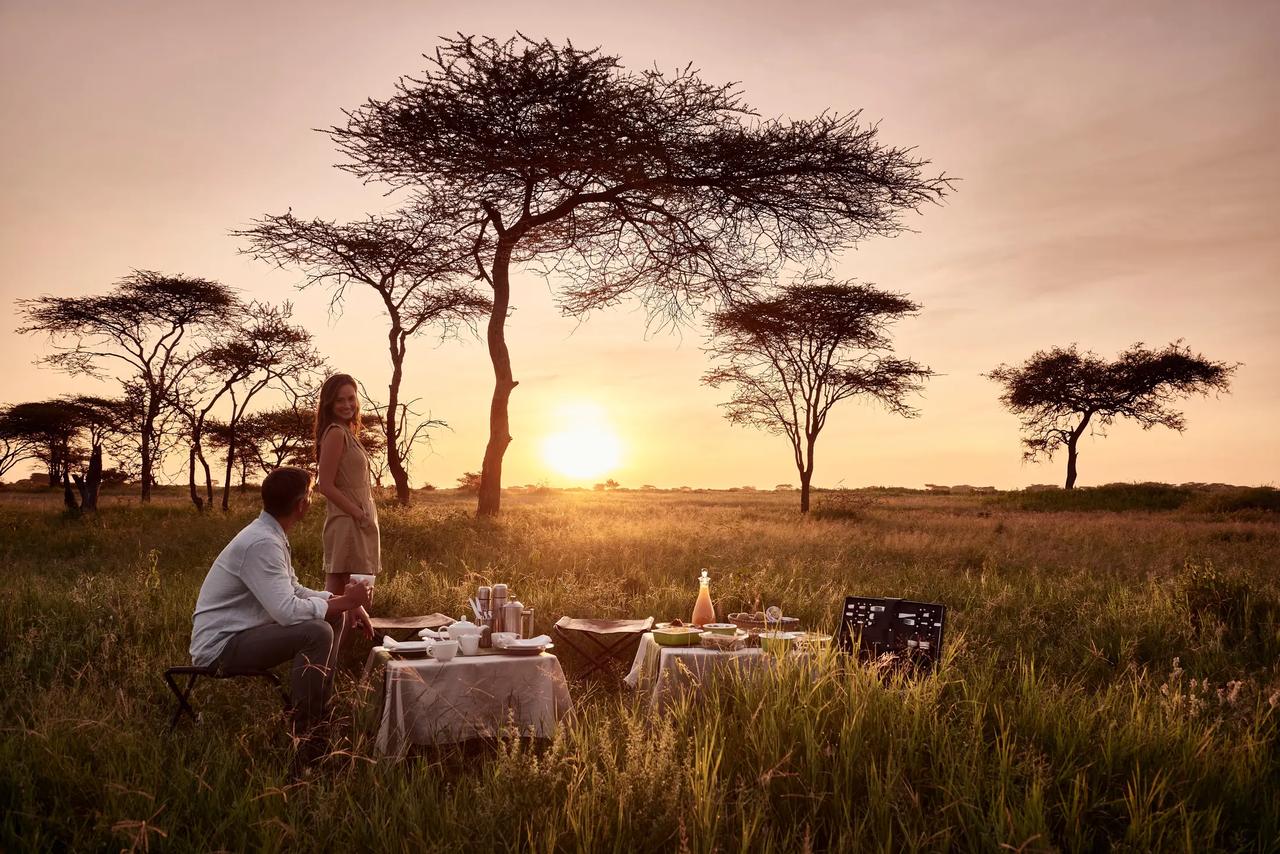
One couple wants a private house and long lunches; another wants mobile canvas, dawn drives and a night under the stars. Some love surprise dinners, while others dislike orchestrated attention.
Share your privacy threshold, social style, preferred activity level and whether a bath, pool, air conditioning or view is genuinely important.
02
Use the private vehicle intelligently
A private vehicle allows a later start after a special dinner, a full morning with one sighting, or an early return without affecting other guests. It creates privacy during the experience, not only at the lodge.
In some fly-in camps, private vehicles need advance booking and a supplement. Establish this before confirming the stay.
03
Do not over-program the romance
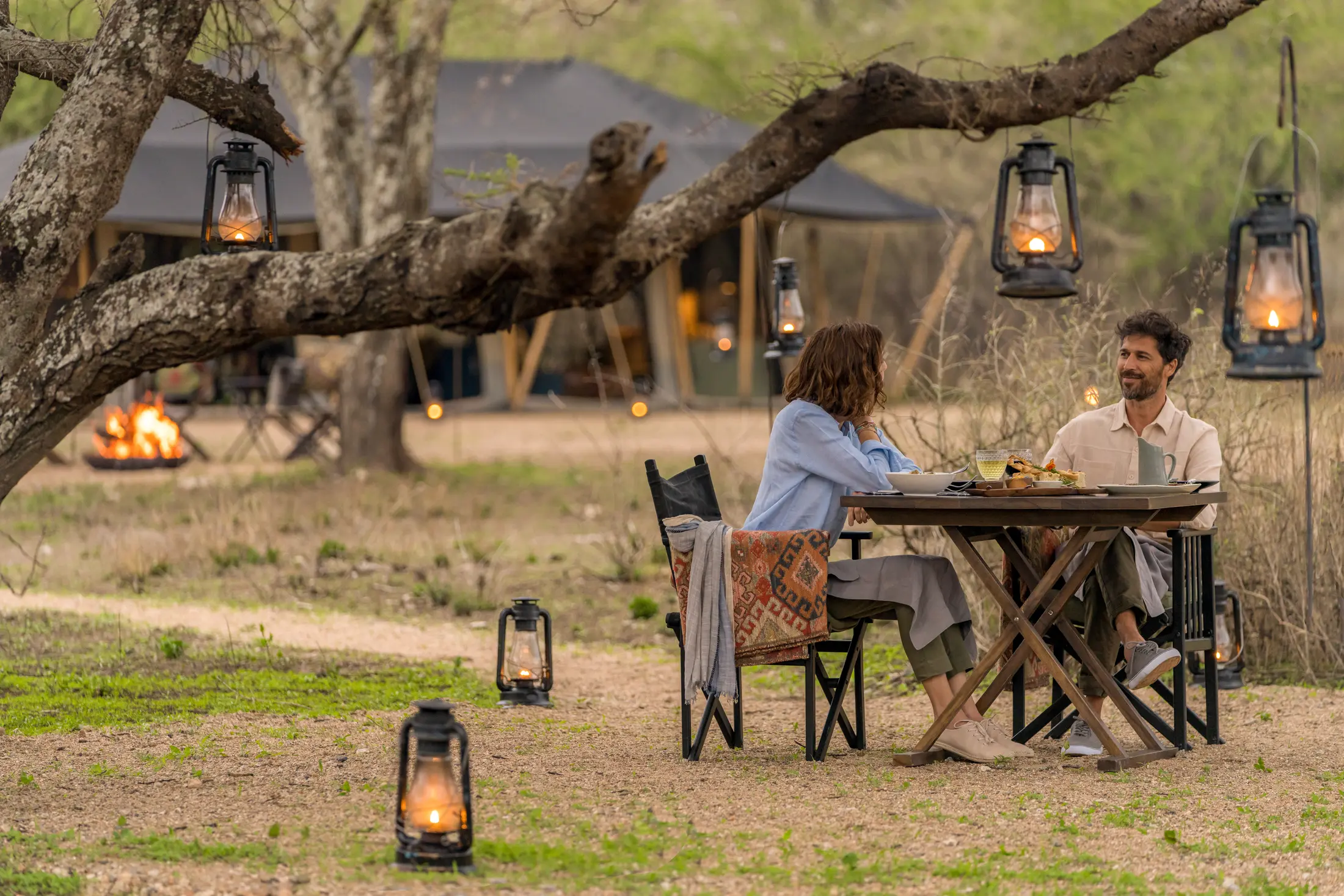
Sundowners, bush meals and private decks are memorable when they feel natural. Repeating an arranged surprise at every camp can make the journey performative.
Use a few well-placed moments and protect blank space. Weather, wildlife and camp operations may change the exact arrangement, so flexibility is part of the pleasure.
04
Choose rooms for experience, not labels
A ‘honeymoon suite’ may offer space but sit farther from the main area; a smaller tent may have the better wildlife position. Consider privacy, view, bathroom design, night access and how much time you will actually spend there.
If the wedding has been exhausting, an easy first night near the arrival airport can be better than forcing an immediate bush connection.
05
Balance bush and beach
The coast should match your desired energy: diving and snorkelling, cultural time, or complete stillness. Flight day, tides and transfer time determine whether the beach actually feels restorative.
Four or more coast nights usually allow the pace to change. Two nights after a complex transfer rarely does.
Questions travellers ask
Useful answers, before you decide.
Should we go straight on safari after the wedding?
Only if the flight and connection are comfortable. A gateway night can protect the first safari day and reduce pressure after long-haul travel.
Is a private plunge pool worth it?
It can be in hot areas with useful downtime, but location, privacy and game-viewing access usually matter more.
How many safari nights suit a honeymoon?
Six to nine safari nights across two or three areas gives good depth before a beach chapter; wildlife-focused couples may prefer longer.
Signature Journeys for this answer
Three honeymoon shapes, priced.
Beach or none, savannah or forest, twelve, nine or seven nights: the choice this article describes, as three journeys. Only Safari to Spice ends on the coast; as published it gives the coast four nights, and a longer coast chapter, or one added to the other two, is a normal adjustment at quotation.
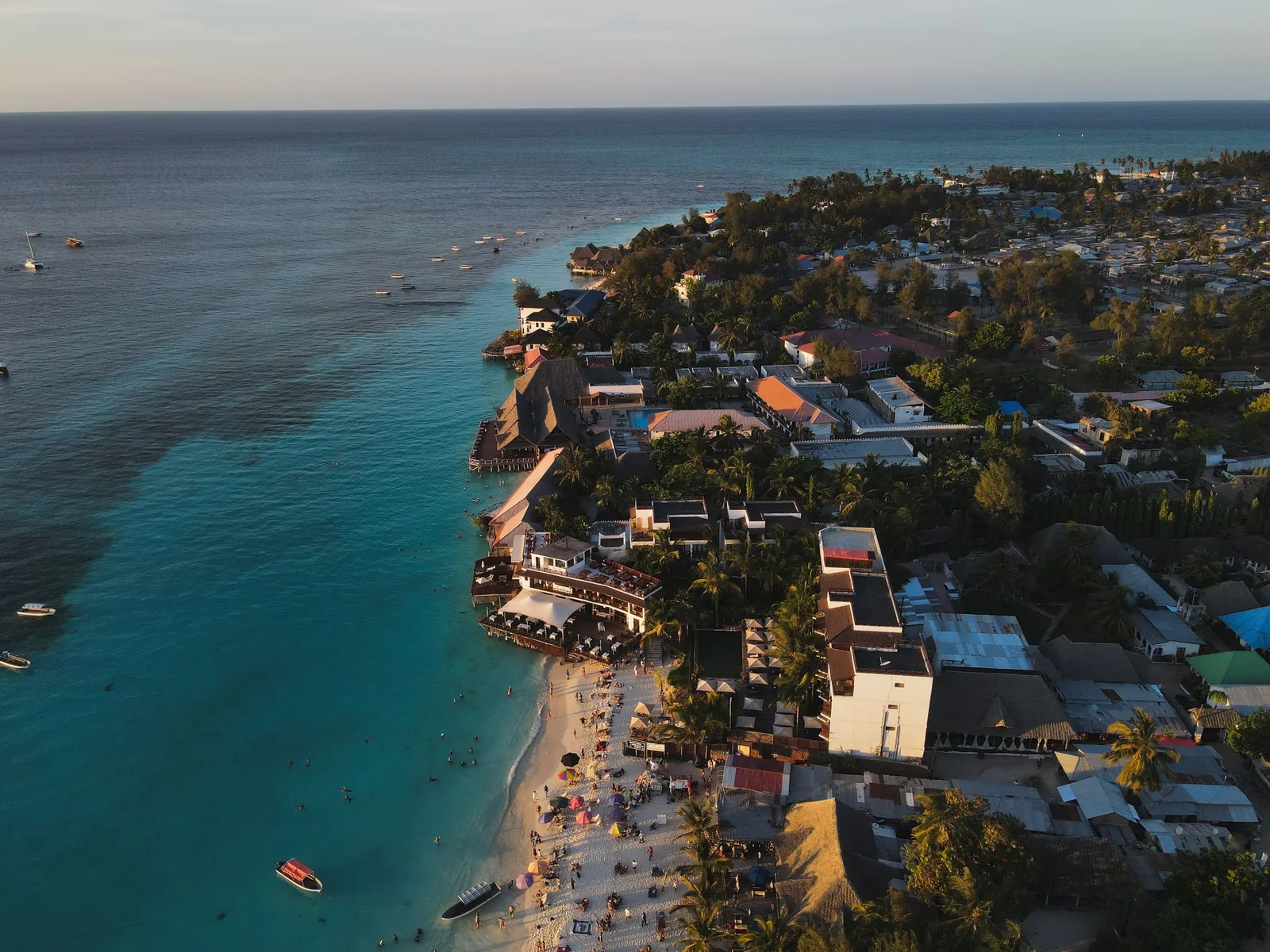
Safari first, then four nights on the coast?
Safari to Spice
From US$9,430 per person, low season
Distinguished Camps and Lodges, city nights aside: Siringit Tarangire, Lions Paw Ngorongoro, Serengeti Sametu, Breezes Beach Club & Spa
Read the journey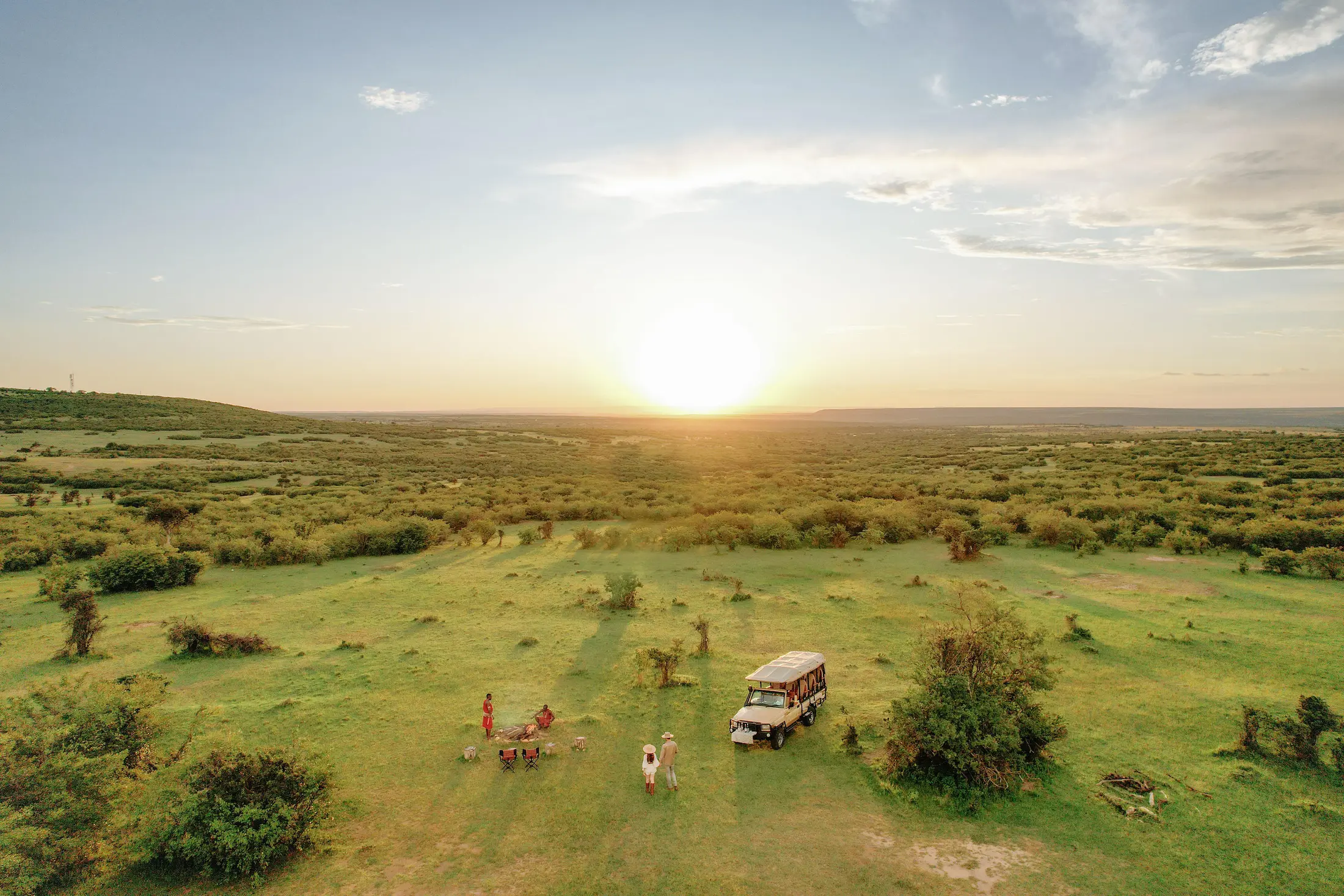
One conservancy, held for five nights?
The Conservancy Answer
From US$7,515 per person, low season
Distinguished Camps and Lodges, city nights aside: Kicheche Valley Naboisho
Read the journey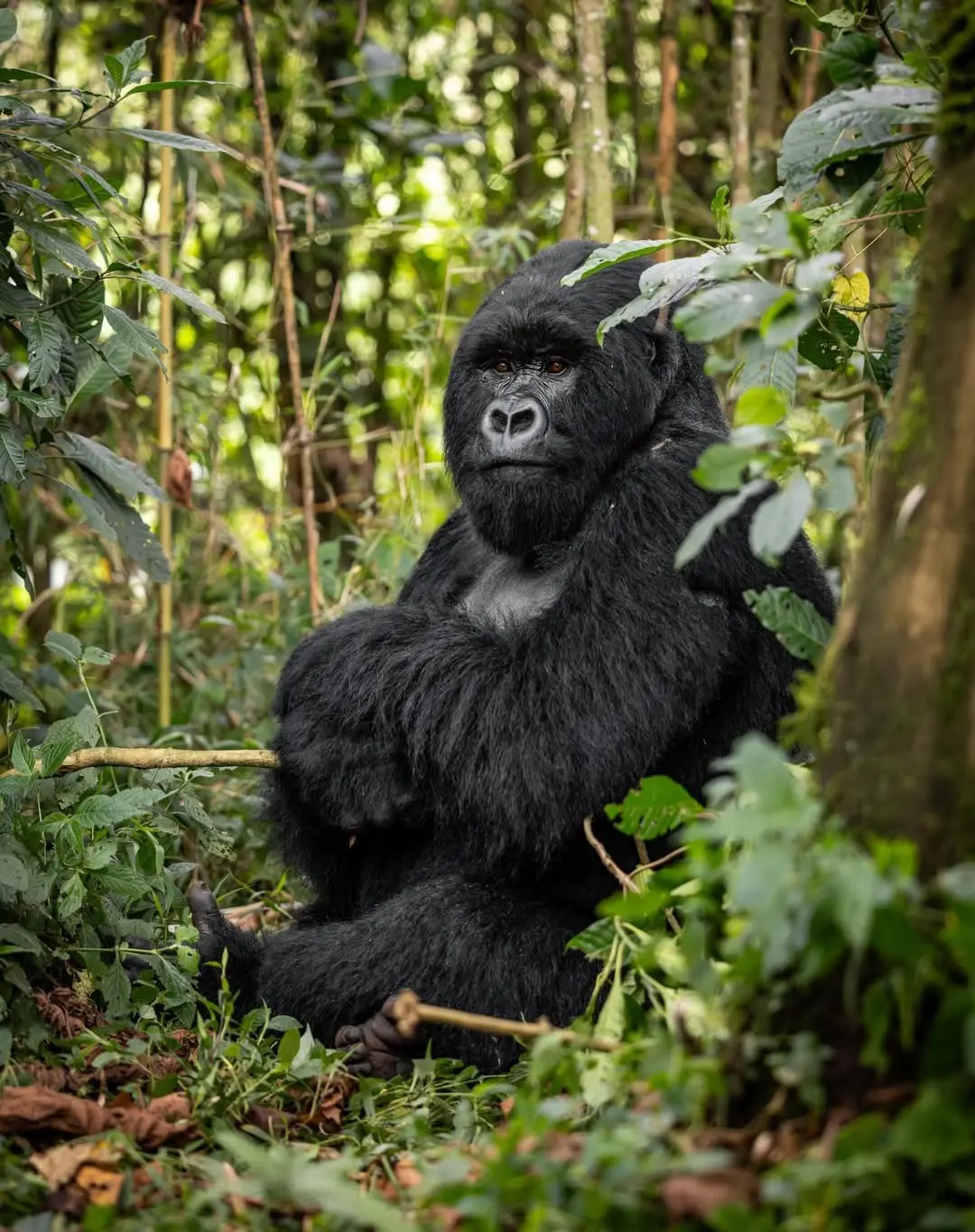
Forest, chimpanzees and gorillas, with no beach?
The Forest, Unhurried
From US$8,095 per person, low season
Distinguished Camps and Lodges, city nights aside: Primate Lodge, Elephant Plains Lodge, Mahogany Springs
Read the journey2027 from prices on the Distinguished Camps and Lodges expression, two adults sharing, per person, low season, confirmed at quotation. The high-season figure is on each journey page.
Shape our honeymoon journey