
The short answer
What to know first.
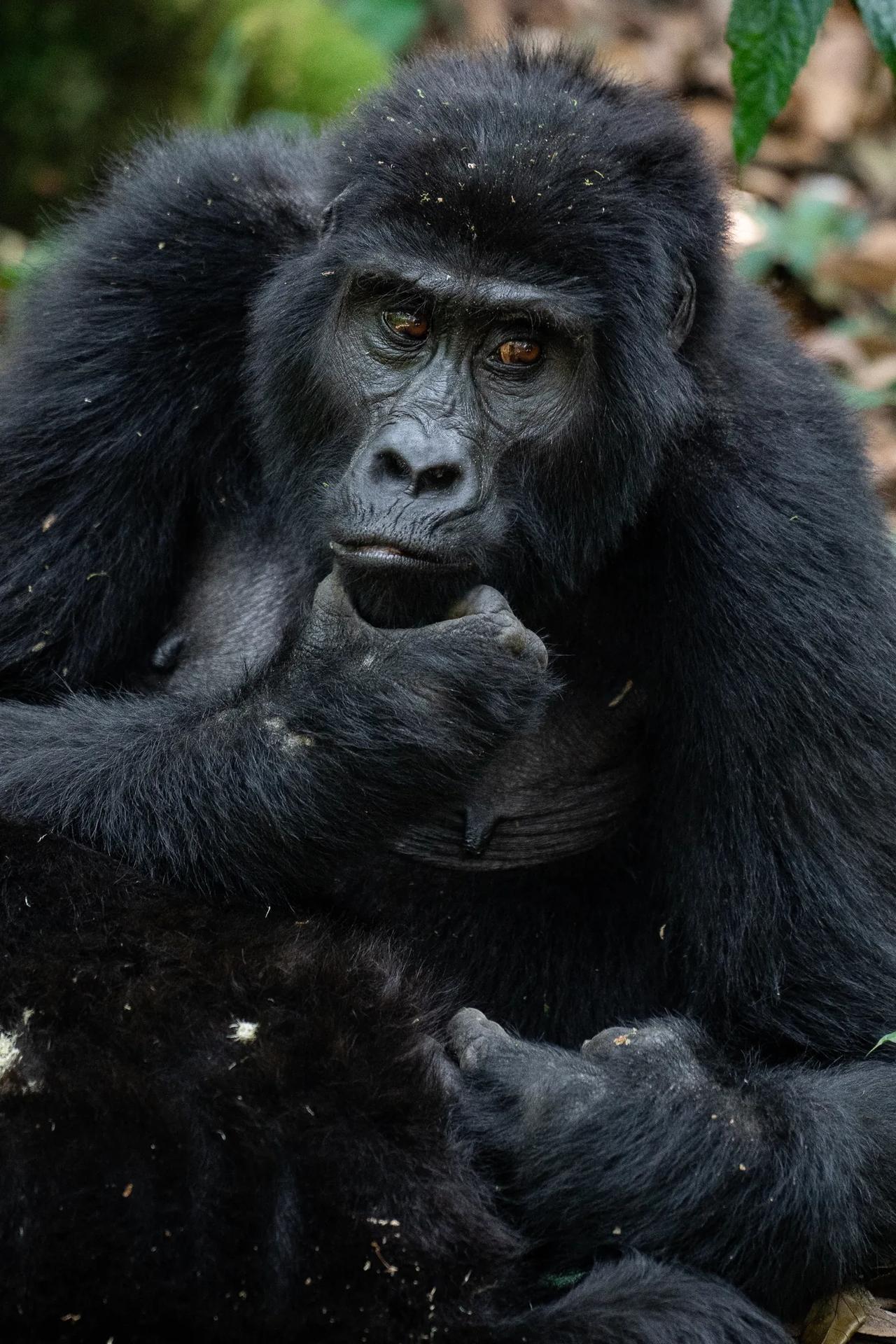
Mountain gorillas catch human illnesses, and a respiratory infection that inconveniences a traveller can devastate a habituated family. Both park authorities therefore screen trekkers on the morning: rangers can and do turn away visibly unwell guests at briefing, and the honest rule is that symptoms disclosed the evening before give the morning options, while symptoms hidden until the trailhead give it none. Sail briefs illness disclosure as a gorilla-protection rule, will pull a guest from the morning rather than risk the family, and then rebuilds the day on the ground: the party treks, the unwell guest rests properly, and the permit questions are worked immediately under the current rules, which are confirmed at booking.
At a glance
The planning brief.
Why the rule exists
Gorillas catch human illnesses. Screening protects the family, and a visible cold can end a trek at briefing.
Disclose early
Symptoms told to Sail the evening before give the morning options; symptoms hidden until briefing give it none.
If a guest is pulled
The day is rebuilt on the ground: the party treks, the unwell guest rests, and the file's options are worked immediately.
Sail verifies
Current health protocols with the park authority, and the honest conversation before the trailhead.
01
Why a cold matters to a gorilla
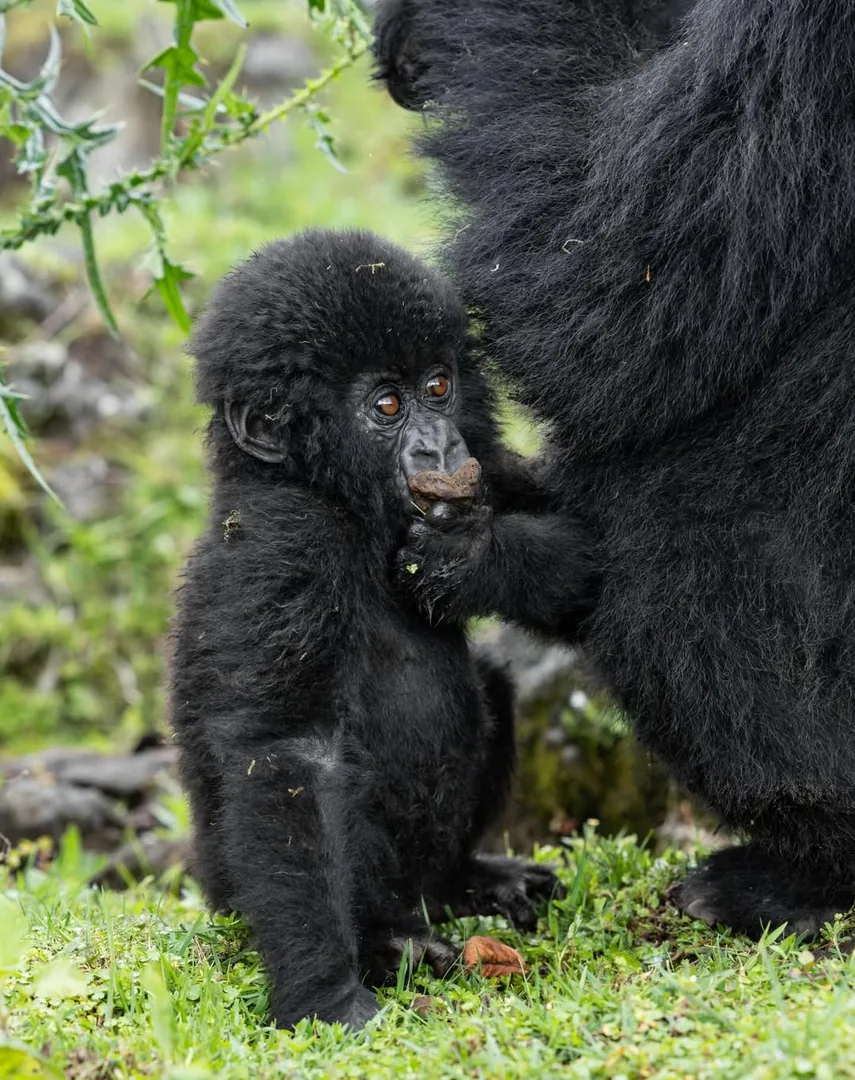
Gorillas share the vulnerabilities of close relatives: human respiratory infections cross to them, and an illness that costs a traveller a week can move through a habituated family with far graver consequences. Every rule at the briefing point descends from that single fact.
This is also why the disciplines around the hour, distance, quiet, no eating near the family, exist. The trek is designed as a one-way gift of presence: the family gives the encounter, and the visitors take nothing across the gap, least of all a virus.
02
How the screening actually works
The morning briefing doubles as the checkpoint: rangers observe every trekker, and current park protocols may include direct health questions or further measures, which Sail confirms with the authority at booking rather than reciting from last season. A guest who is visibly unwell, coughing, streaming, feverish, can be refused the trek on the spot.
There is no arguing with the refusal, and no operator can broker around it; nor should one try. The system works because it is absolute, and the families' health record is the evidence that it does.
03
Disclosure the evening before
The useful moment for honesty is the night before, at the lodge, to the Sail team: a scratchy throat, a heavy head, a child's sniffle. Told then, the morning still has options: a doctor's look where available, a considered judgement on symptoms, and where the trek cannot happen, immediate work on the alternatives.
Hidden until the trailhead, the same symptoms cost everything at once: the trek, the calm, and often the best of the fallback options. Sail's briefing note says this plainly so no guest learns it the hard way.
04
If a guest is pulled from the morning
The day is rebuilt on the ground. The rest of the party treks as planned; the unwell guest rests properly at the lodge with the team checking in, and the file's options are worked at once: what the permit rules allow in the circumstances, whether another morning is possible within the journey, and what the insurance file needs recorded.
What happens to the permit itself under the current rules is its own subject, covered separately, and it is confirmed for the actual case rather than promised in advance. What Sail promises is the process: nobody sits alone in a lodge room wondering what happens next.
Questions travellers ask
Useful answers, before you decide.
Will I be tested or examined before the trek?
Screening is the authority's morning process: observation at briefing, and whatever current protocols require. Sail confirms the current requirements at booking rather than reciting old ones.
If I have mild symptoms, should I just push through?
No. Disclose the evening before: some symptoms pass the morning's judgement, others do not, and hidden symptoms discovered at briefing end the trek with no options left.
Does an unwell guest lose the permit fee?
The permit's fate depends on the authority's current rules for the circumstances, worked immediately by the ground team and covered in detail in the ill-or-no-show journal.