
The short answer
What to know first.
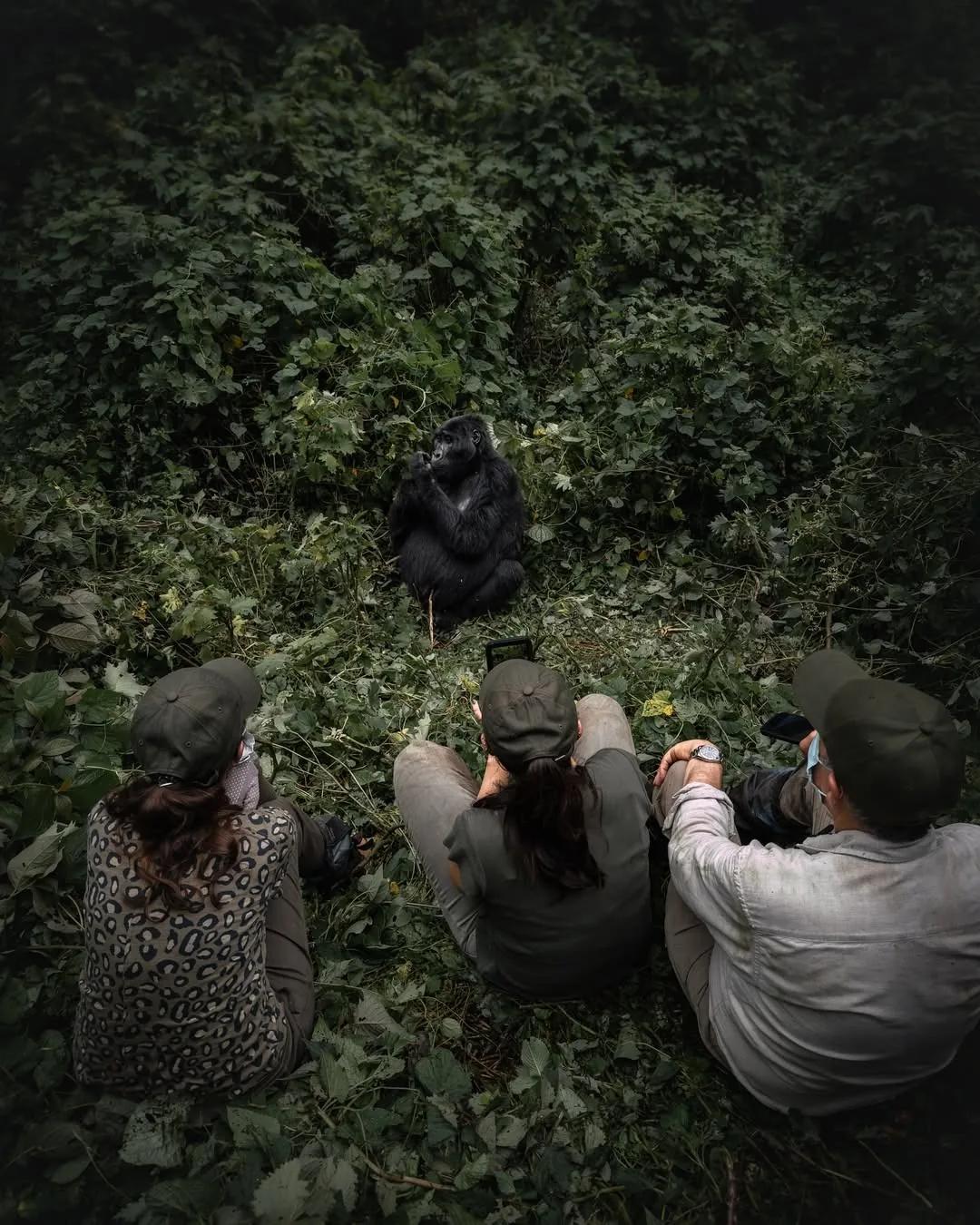
Uganda's rule is fixed: eight guests per habituated gorilla family per day, allocated by the park authority, with no larger product for sale at any price. A party of ten, twelve or sixteen therefore treks by splitting, and the mechanics are straightforward when stated honestly. On one morning, the party can divide across two families where permits allow, briefing together and comparing stories at lunch; across two mornings, the party can hold one family's full allocation each day, giving everyone a stranger-free trek and the group two sets of eight permits to fill. Which shape works is a question of live availability for the actual dates, checked before anything is promised, and of the party's preference between one shared morning and two quieter ones. Rwanda operates its own group limits under RDB's rules, and where a Rwanda private-trek product genuinely exists it is used as the authority defines it, never invented by analogy. What Sail will not do is imply a Uganda buy-out beyond the eight permits, because selling a product the park does not offer is how incentive groups end up disappointed at a briefing point.
At a glance
The planning brief.
The fixed number
Uganda allocates eight guests per habituated family per day. A larger party cannot join one family on one morning.
The honest mechanics
Bigger groups split: across two families on the same morning where permits allow, or across two mornings with one family's allocation each.
What is never sold
A Uganda buy-out beyond the eight permits, or a private-trek product that the authority does not offer.
Sail verifies
Live availability across families and dates for the party's true size, and states the split plainly on the proposal.
01
The rule, and why it holds
Eight guests per family per day is a conservation boundary, not a commercial one: it limits the daily human presence each habituated family absorbs, and it belongs to the park authority alone. No lodge purchase, exclusive-use booking or budget changes it, and every honest proposal for a large party starts by saying so.
The rule's flip side is generous: eight permits genuinely bought make a family's whole daily allocation yours, which is why parties of exactly eight enjoy the most private product Uganda offers. Larger groups simply need one more design decision, which is the subject of this page.
02
Splitting across families
Where live availability offers two families at one gate, or at two reachable gates, a larger party treks on the same morning in two groups. Everyone briefs in the same dawn, walks their own forest, and reunites at lunch with different stories about different families, which most groups come to treasure.
The operational key is the sector arithmetic: both allocations must genuinely suit the party's lodges and the morning's logistics, which is checked against real availability before the proposal exists. Assigning who treks with whom is done at design with the group's own dynamics, never left to the trailhead.
03
Splitting across mornings
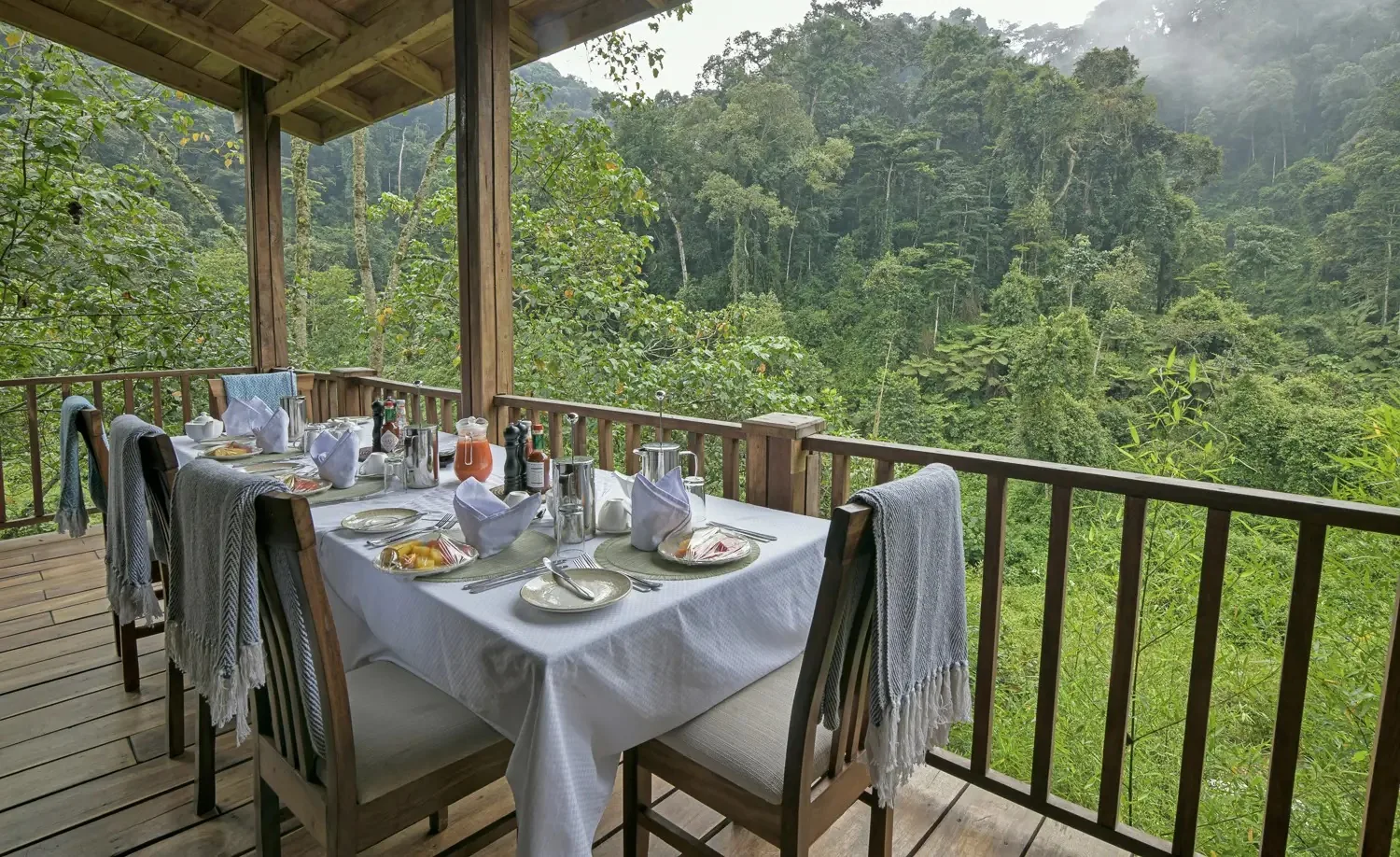
The alternative shape holds one family's full allocation on each of two mornings: half the party treks the first day, half the second, and each half gets the quiet, stranger-free version of the experience. Non-trekking halves get designed days, and the lodge holds the whole group throughout.
This shape suits parties that value privacy over simultaneity, multi-generation groups pacing themselves, and photographers wanting the calmer trail. It costs an extra night around the trek and gives the group two evenings of first-hand storytelling in exchange, which is rarely a bad trade.
04
What is never sold
No Uganda product exists that puts ten or twelve guests with one family, extends the hour for a group, or privatises a trek beyond its eight permits, and any proposal implying one is mis-sold. Incentive and celebration groups deserve the true arithmetic early, because their expectations are set in writing months ahead.
Rwanda's own rules are Rwanda's: RDB defines its group limits and any private product it offers, confirmed at booking, and Sail uses what exists rather than what marketing wishes existed. Between the two systems, every large party has an honest path to the forest; none has a shortcut past the parks.
Questions travellers ask
Useful answers, before you decide.
Can a party of sixteen trek together on one morning?
Not with one family: the eight-guest rule is absolute. Sixteen can split across two families on one morning where availability allows, or across two mornings holding a full allocation each day.
Do split groups trek at the same time?
Same-morning splits brief in the same dawn and walk separately; the forest decides each group's hours. Sail designs the day so both halves reunite comfortably for lunch.
How early should a large party book?
Earliest of all: multiple permits on the same date multiply the scarcity, and school-holiday or peak weeks compound it. The permit conversation should open the file, months ahead.