
The short answer
What to know first.
The connectivity question deserves facts first and philosophy second, so: most good East African camps now run wifi, usually in the main areas and increasingly in tents, fed by satellite links that weather, power cycles and load can turn moody without warning; signal is generally comfortable for messages, photos and a voice call from the right chair, and genuinely unreliable for video meetings, large uploads and anything a career depends on. Mobile coverage is its own patchwork: strong near towns and some famous parks, absent across whole wildernesses, and never worth promising. The fear underneath the question has a better answer than bandwidth: urgent contact has never depended on your phone. Camps run offices, radio networks and management on duty; Sail files carry a 24-hour in-country desk; and a family emergency reaches you through that spine in minutes, bars or no bars. That settled, this journal will make the unfashionable case: the bush's scarcest offering is not wildlife but unreachability, the hours where nobody can ask you for anything, and the traveller who arranges an out-of-office and lets the satellite dish serve the camp's bookings rather than their inbox gets the deeper product. For genuine remote-work needs we design honestly, camps chosen for their actual links, work blocks placed where signal lives, expectations written down, and where honesty means saying a safari is the wrong week for that launch, we say it. Current connectivity per camp confirmed at booking.
At a glance
The planning brief.
What camps actually have
Most good camps run wifi in main areas, many in tents, all of it satellite-fed and weather-moody: enough for messages, unreliable for meetings.
How urgent contact reaches you
The camp office, radio network and your file's 24-hour desk: emergencies have never depended on your phone's bars.
The digital sunset
The bush's best feature is the hours nobody can reach you; we design files that protect them on purpose.
Sail verifies
Current connectivity camp by camp for your route, stated plainly before booking, with working-remotely files designed honestly or discouraged honestly.
01
The factual layer: what is actually there
Camp connectivity in 2026 is satellite-fed wifi, which means three practical truths. It exists almost everywhere good camps operate, including deep wilderness; it concentrates in main areas, with in-tent coverage now common at permanent lodges and patchier under canvas; and it shares a household's worth of bandwidth among all guests, so the evening surge is real and the video call that worked at 6am fails at 7pm.
Mobile networks add their patchwork: reasonable near gateway towns and along some park corridors, absent across the remote west, south and conservancy interiors, and different for every carrier. The desk's rule is to promise nothing a tower has to deliver: your file states each camp's current setup plainly, wifi where, power sockets what, signal likely or not, because expectations set at booking cost nothing and expectations discovered at check-in cost the holiday.
02
How urgent contact actually works
The anxious version of the wifi question is really about emergencies, and the honest answer is reassuring: the bush's contact spine predates smartphones and outperforms them. Every camp runs an office with its own link, radio or phone contact with its vehicles, and management on duty; every Sail file carries the 24-hour in-country desk whose number your family holds; and a message that matters moves from a phone call at home to a manager at your dinner table in minutes.
This architecture is why the out-of-office can be honest: you are not unreachable, you are filtered. The two calls that genuinely cannot wait will find you; the forty that merely want you will meet the autoreply. We brief guests to set exactly that expectation with offices and families before wheels-up, because the traveller who trusts the spine stops checking for bars by the second morning, and the trip changes register from there.
Medical contingencies get their own line, because that is the fear beneath the fear: camps hold first-response training and evacuation protocols, flying-doctor arrangements cover the remote circuits on properly insured files, and the desk carries every guest's insurance and medical notes. The spine is not improvised when it matters most; it is rehearsed, which is more than can be said for most home wifi.

03
The remote-work conversation, had honestly
Working from safari is sometimes real life, and the design rules are simple. Choose camps for their actual links, permanent lodges generally beat canvas, some regions beat others, and the desk knows which; place work blocks in the schedule rather than pretending dawn drives and deadlines coexist; confirm power, sockets and charging for your kit; and carry the redundancy serious work needs, because one dish is one point of failure.
Equally honest: some weeks should not be worked. A launch, a live deal, a court date, anything requiring guaranteed video at fixed hours, sits badly on satellite links and worse on a migration schedule, and we will say so rather than sell it. The compromise that works is the split file: a connected lodge chapter for the working days, then the deep-bush chapter with the laptop in the camp safe. What we will not build is the trip that promises both everywhere, because the bush does not sign service-level agreements.
Assume, in general
Wifi in main areas, moody satellite bandwidth, evening surges, and mobile signal as a bonus never a promise.
For emergencies
The camp-office and radio spine plus Sail's 24-hour desk: urgent contact works without your phone's bars, and always has.
For remote work
Camps chosen for real links, work blocks scheduled, power confirmed, redundancy carried, and some weeks honestly declined.
For the actual holiday
An out-of-office, the two-calls rule, and the discovery that unreachability is the trip's rarest amenity.
04
The case for silence
Now the philosophy, stated as plainly as the facts. The unhurried safari this journal argues for has an enemy, and it is not the wifi router; it is the reflex the router feeds. A sighting checked against a notification is half a sighting; a firepit hour spent uploading is a firepit hour spent elsewhere; and the traveller who arrives armoured in connectivity often needs three days to notice they have stopped flinching at silence, which is precisely when the safari starts.
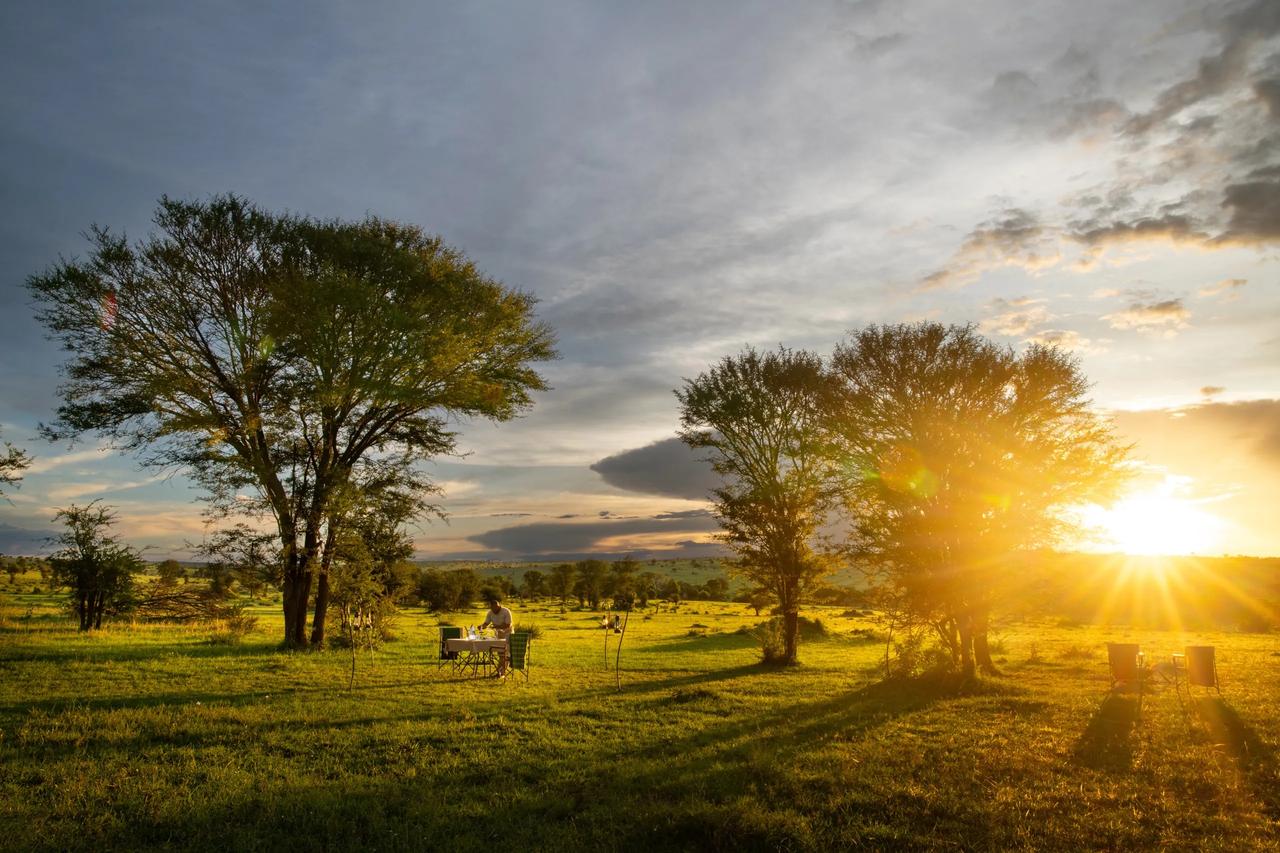
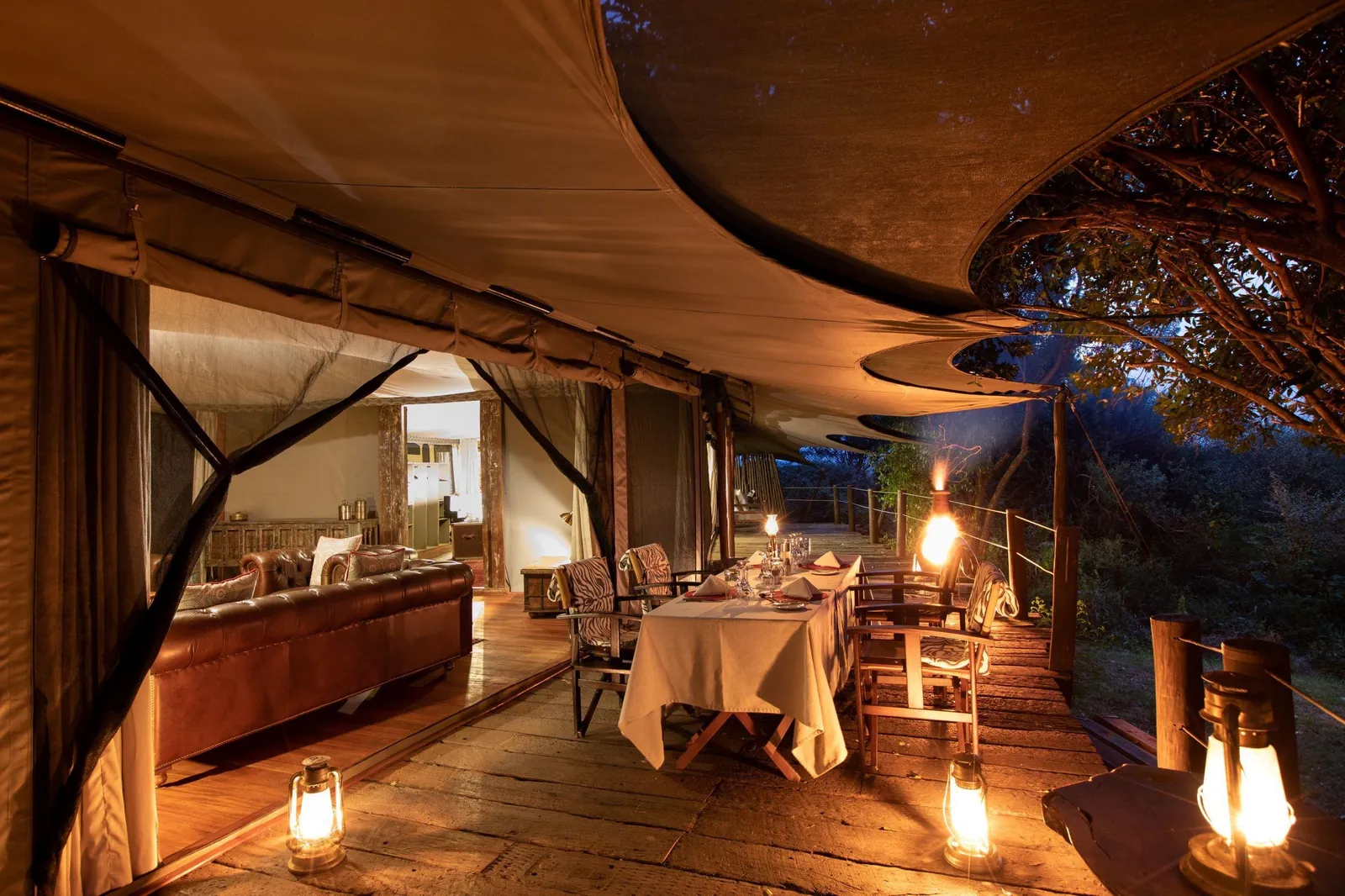
So the design bias is deliberate: dinners in clearings where the light is lanterns, mornings whose only feed is the plain itself, and camps whose main-area wifi is good enough to prove you could check, making the choice not to an actual choice. Guests overwhelmingly report the same arc: anxiety for a day, negotiation for another, then the peculiar liberty of hours that belong to nobody. From the Sail operations desk, checked August 2026: the wifi questions arrive before every trip, and the thank-you notes afterward almost never mention the wifi.
Questions travellers ask
Useful answers, before you decide.
Do safari camps have wifi?
Most good ones, usually in main areas and often in tents, on satellite links that handle messages comfortably and meetings unreliably. Your file states each camp's current setup before you book.
Will my family be able to reach me in an emergency?
Yes, and not via your phone's bars: the camp-office and radio spine plus Sail's 24-hour in-country desk moves urgent messages to you in minutes. Your family holds the number from day one.
Can I work remotely from a safari camp?
For email-grade work, often; for guaranteed video at fixed hours, honestly no on most links. We design split files, connected lodge days then deep bush, and we will say when a week should not be worked.
Is there phone signal in the Serengeti or the Mara?
Patchy by area and carrier: present along some corridors, absent in much of the wilderness. Treat mobile signal as a bonus and the camp's own links as the plan.