
The short answer
What to know first.
Safari suits the solo traveller better than almost any holiday format, and the industry explains it worse than almost any, so here is the file for one, stated plainly. The money first: camps price rooms and tents, not people, so a single traveller carries the space a couple would share, and the single supplement is simply that arithmetic showing, commonly a percentage over the per-person sharing rate that varies by camp and season. It softens where occupancy pressure softens, green seasons, longer stays, quieter months, and some small camps waive it quietly in exactly the windows our green-season page recommends anyway; what it never honestly does is disappear at peak, and pages promising otherwise are selling fine print. The vehicle question is the real design choice: shared game drives bring company, other eyes on the bush and a gentler invoice; a private vehicle buys the schedule, the sightline and the silence, and many of our solo files mix both, shared as the default with private days bought where they matter. The dinner-table reality deserves its plain sentence: safari camps are small and hosted, tables are communal by invitation and never by force, and solo guests consistently report more conversation on safari than on any beach they have ever sat on. Safety runs on the same architecture every file gets, escorts after dark, briefed transfers, a named desk watching the route, plus the check-ins a solo file sensibly adds. Supplements, vehicle options and camp styles confirmed at booking.
At a glance
The planning brief.
The supplement, explained
Camps price rooms, not people: the single supplement covers the second bed, and it softens in green seasons and longer stays.
Shared or private vehicle
Shared drives bring company and cost less; a private vehicle buys the schedule. Many solo files mix both deliberately.
The dinner-table reality
Small camps host communal tables by invitation: solo travellers report more conversation on safari, not less.
Sail verifies
Current supplement terms per camp, hosted-table style and the safety architecture behind solo files.
01
The supplement, demystified
A tent is a fixed cost: linen, staff, fuel, the fee layer and the food change little whether one person sleeps in it or two. Per-person-sharing pricing hides that arithmetic inside couples' rates; the single supplement is where it surfaces, usually as a percentage premium over the sharing rate, set by each camp and season. It is not a penalty for being alone; it is the room's economics with one name on the ledger.
Where it softens is where beds would otherwise sit empty: the green months, shoulder weeks, longer stays and smaller camps hungry for occupancy, and the desk knows which partners publish reductions and which negotiate quietly. Our advice mirrors the green-season page for exactly this reason: the solo traveller's calendar flexibility is worth real money, and spending it on softer supplements upgrades the whole file.
02
Shared or private, decided honestly
The shared vehicle is the sociable default: camps pool guests by lodge and schedule, the company is usually good, and the extra eyes find more wildlife than one pair ever does. Its costs are the compromises this journal has named before, the earliest riser sets the day, the keenest photographer holds the sighting, and the vehicle's patience is the average of its passengers.
The private vehicle for one is the considered indulgence: your light, your patience, your silence, at a per-vehicle price that stings most precisely when unshared. The design answer most solo files land on is the blend, shared drives as the rhythm, with private days bought for the moments that deserve them: a photographic morning, a long crossing vigil, a first gorilla or chimpanzee trek where our forest pages already recommend the private briefing. Deliberate beats default in both directions.
03
The dinner-table reality, and the safety one
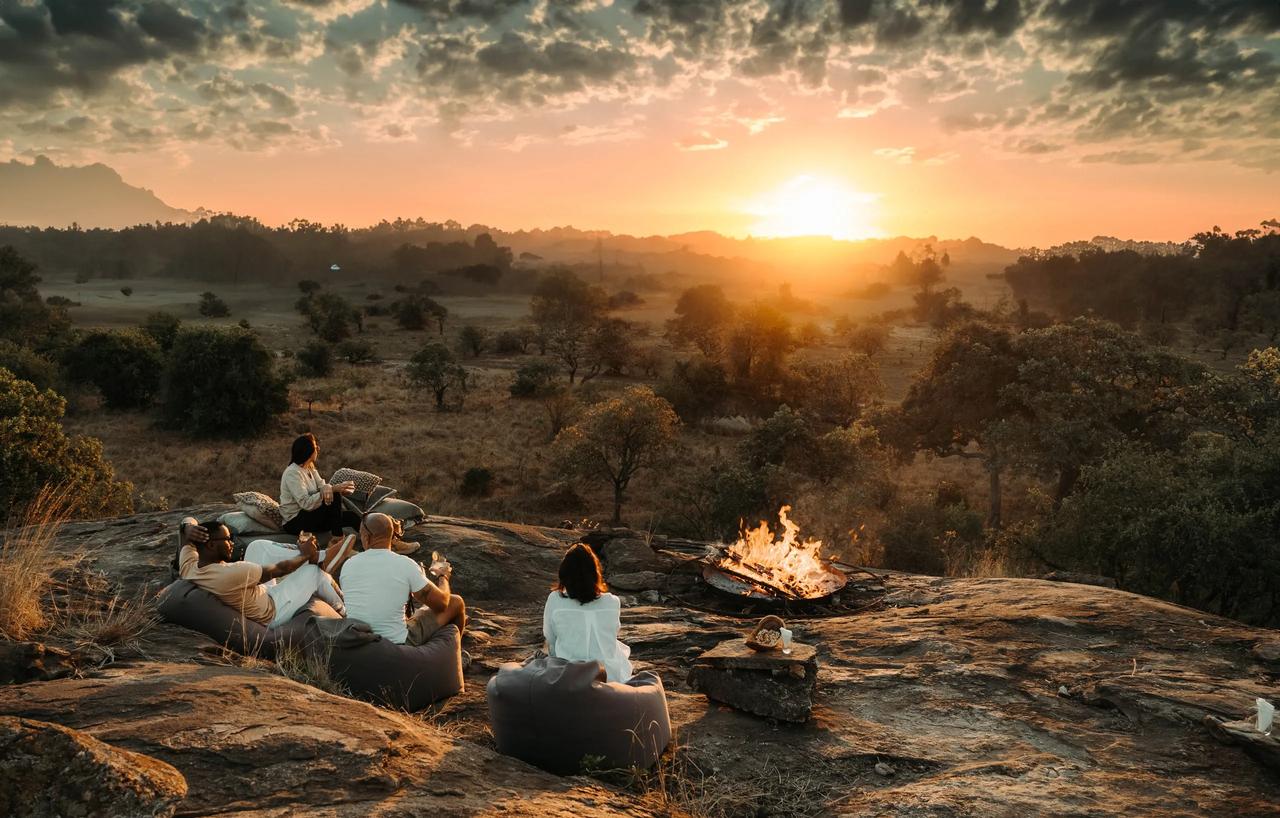
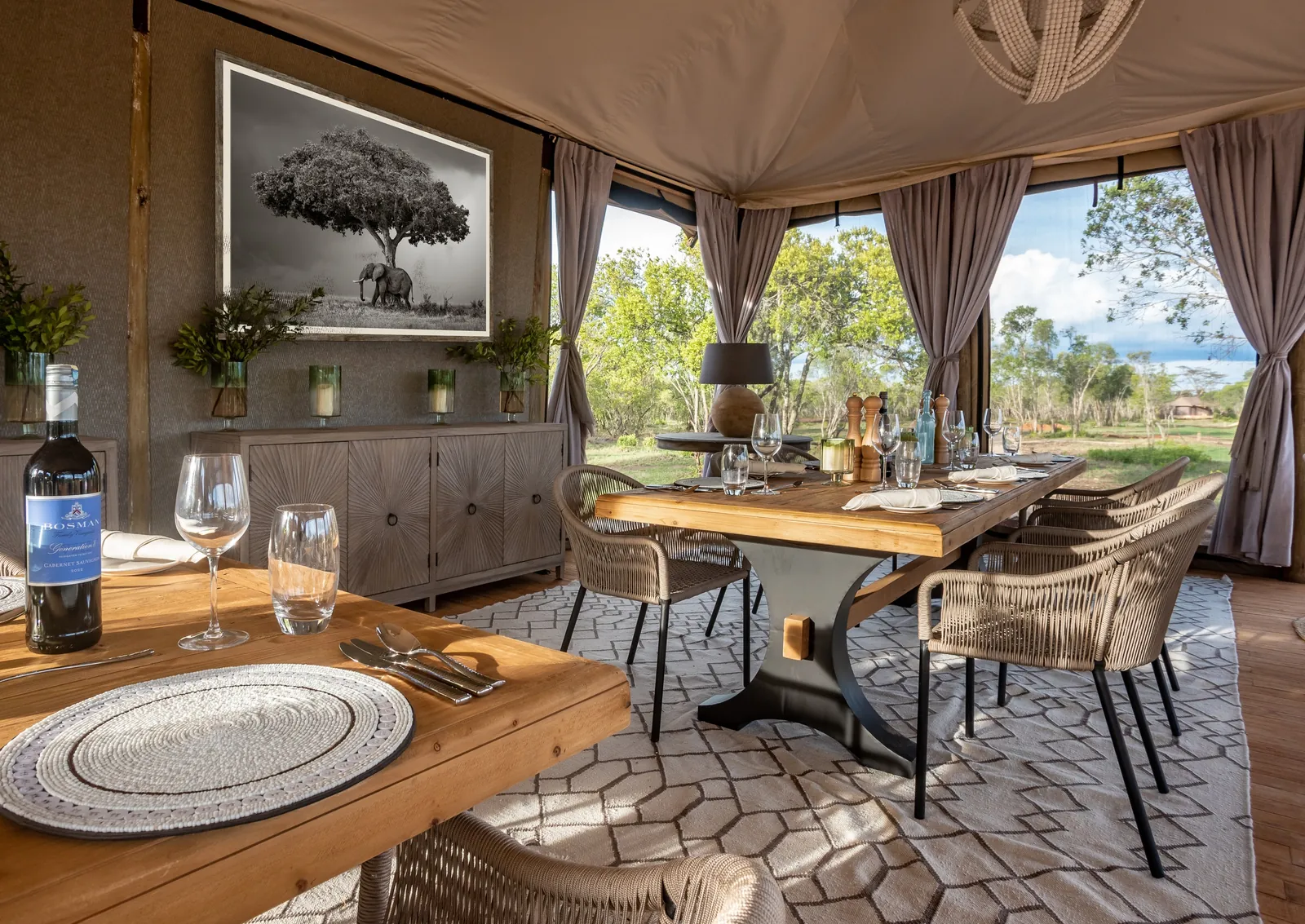
The social architecture of a good camp is the solo traveller's quiet advantage: hosted dinners where a manager or guide seats the table, firepit hours where the day's sightings get retold, and the easy fellowship of people who all chose the same improbable place. Guests who dreaded eating alone report the opposite problem, and the camps we choose for solo files are chosen partly for exactly this hosting craft.
Safety is architecture, not atmosphere: the same escorts after dark, briefed drivers, named in-country desk and 24-hour line every Sail file carries, plus the solo-sensible additions, shared live itinerary, scheduled check-ins, and camps where management knows every guest by name because there are only twelve. East Africa's camps are among the most staffed, most watched places a person can sleep; the solo file simply writes the watching down.
Book the quiet windows
Green and shoulder seasons soften supplements and fill tables with the interesting travellers: the solo calendar's flexibility is worth real money.
Blend the vehicles
Shared drives as the rhythm, private days where light, patience or a first trek deserve them.
Choose hosted camps
Small, manager-hosted tables turn dinner from a dread into the day's second act; we pick for it deliberately.
Write the safety down
The standard architecture plus solo additions: shared itinerary, check-ins, and a desk that knows where you are.
04
Who the solo file is, and how Sail prices it
The solo safari traveller is not one person: the photographer who wants nobody else's schedule, the widowed traveller finishing a shared dream, the professional whose leave never matches anyone's, the seasoned guest who simply prefers it. The design brief differs for each, sociable camps for one, private rhythm for another, and the first conversation sorts it in minutes when the question is asked plainly. The forest chapters deserve their solo note too: gorilla and chimpanzee permits price per person with no supplement at all, trek groups provide ready company, and the private-briefing options our forest pages describe work for one exactly as for two, which makes the primate journey one of the most solo-friendly files we build.
Pricing is stated the way this journal states everything: the supplement as its own visible line at each camp's current terms, vehicle choices priced side by side, no discount theatre and no burying. From the Sail operations desk, checked August 2026: solo files are our fastest-growing file type, their satisfaction scores sit at the top of the book, and the single most common post-trip note is that the traveller expected to feel alone and never once did.
Questions travellers ask
Useful answers, before you decide.
How much is a single supplement on safari?
Commonly a percentage premium over the per-person sharing rate, varying by camp and season, softening in green and shoulder windows and rarely disappearing at peak. Your quote states it as its own line at current terms.
Will I feel out of place as a solo traveller in camp?
The camps we choose host actively: communal tables by invitation, firepit company and managers who seat conversation. Solo guests overwhelmingly report the opposite of loneliness.
Is a private vehicle worth it for one person?
For photographers and trek days, often yes; as the default, only if silence and schedule matter more than cost. Most solo files blend shared drives with bought private days.
Is East Africa safe for solo travellers?
The safari architecture, escorts, briefed transfers, staffed camps, a named desk, serves one traveller exactly as it serves two, with sensible additions written down. The safety hub carries the wider picture.