
The short answer
What to know first.
The route reads as three clean movements. First, Kigali: arrive, rest a night, and drive the Cyanika border into Kisoro's highlands, sleeping on the Uganda side because the trek's side of the border owns the night before the briefing. Second, the trek: a Rushaga or Nkuringo permit, secured first against live availability since it is the journey's only immovable date, with the lodge drawn from the permit's own gate. Third, the tail: back across to Kigali for the eastbound flight to Nairobi, then the Mara or Laikipia for four or five savannah nights, exiting through Nairobi. The shape suits Kenya-first travellers and advisors who default to Rwanda for gorillas without realising southern Bwindi sits a comparable road from the same airport, often with friendlier permit arithmetic. The East African Tourist Visa covers all three countries on one instrument, no wildlife event is guaranteed anywhere on the file, and every tariff is confirmed at booking.
At a glance
The planning brief.
The shape
Kigali in, Cyanika crossing, a southern-sector trek, then east to Kenya's plains: a route Sail runs as routine.
Permit-first logic
The trek date answers to nothing but the authority: it is fixed first, and the Kenya camps are chosen around it.
The border rule
The night before the trek is spent on the trek's side; the crossing never sits against a briefing.
Sail verifies
Live permits, border hours, flight connections to Nairobi and honest road times, with no wildlife event promised.
01
Why this route exists
Kenya-first journeys add gorillas through whichever door seems nearest, and most planners assume that door is Volcanoes. Geography says otherwise: Bwindi's southern sectors, Rushaga and Nkuringo, are reached from the same Kigali airport through the Cyanika border, a road Sail drives as routine on southern files.
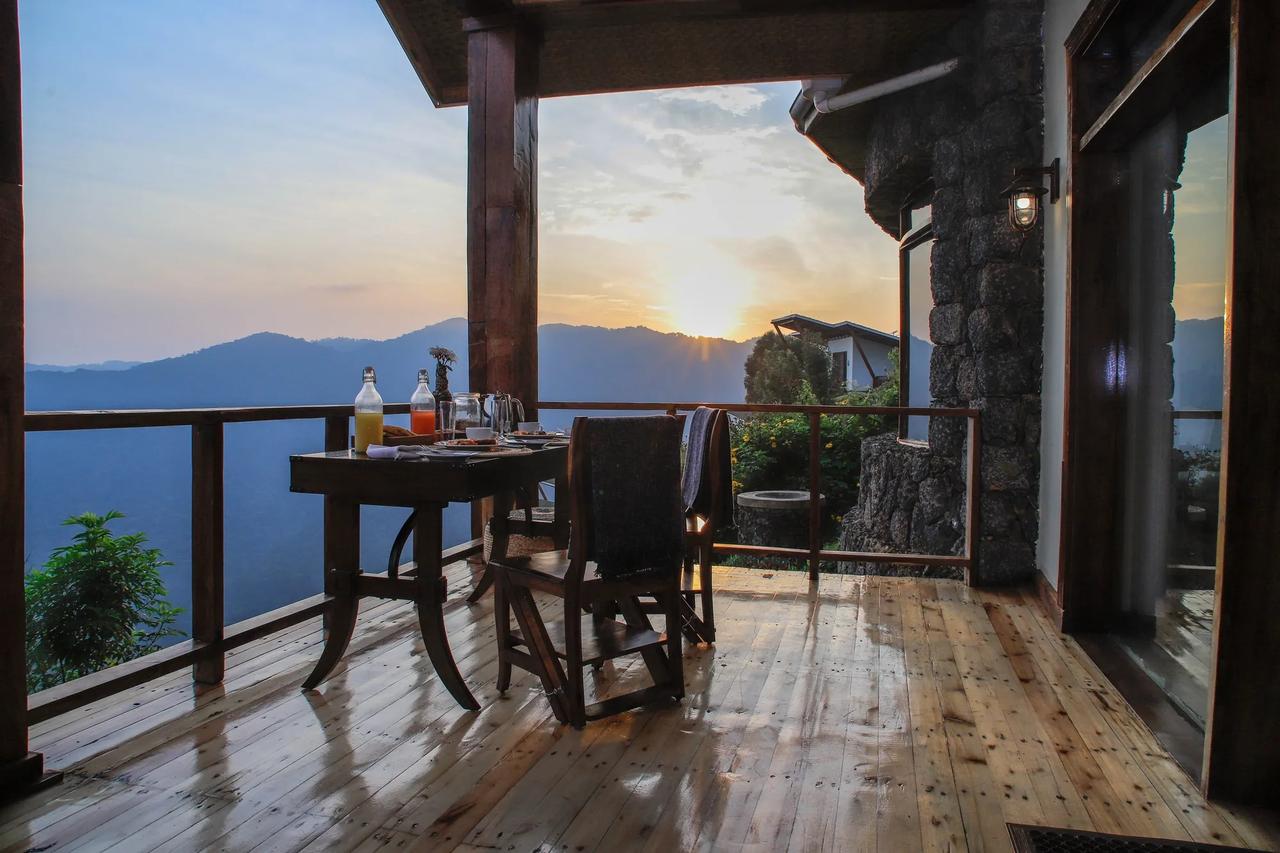
What the Uganda side changes is the arithmetic and the atmosphere: a different permit system with its own availability, ridge lodges above the clouds, and a forest whose southern gates carry fewer vehicles than its famous name suggests. For a Kenya-spine file, it is the missing piece rather than the consolation.
02
Movement one: Kigali to the highlands
The file opens gently: land at Kigali, sleep properly, and take the border road the next day through terraced country to Kisoro and up to the permit's gate. The buffer rule is absolute here as everywhere: the night before the trek is spent on the trek's side of the border, so no crossing, queue or puncture can reach the briefing.
The EATV makes the paperwork simple, covering Uganda, Kenya and Rwanda on one instrument under current terms confirmed at booking. Documents, permits and receipts travel in the file with the ground team, and guests carry passports and nothing heavier.
03
Movement two: the trek that fixed the calendar
The permit was the file's first purchase, secured against live availability before any Kenya camp was held, because among all the journey's bookings it is the only date no negotiation can move. The lodge shortlist followed the gate; the trek morning starts minutes from the briefing.
After the trek, the protected morning: nowhere to be, the ridge view doing its work, the story settling. Then the road back through Cyanika to Kigali, timed within daylight, with the border hours confirmed for the actual date rather than remembered from a previous season.
04
Movement three: the Kenya tail
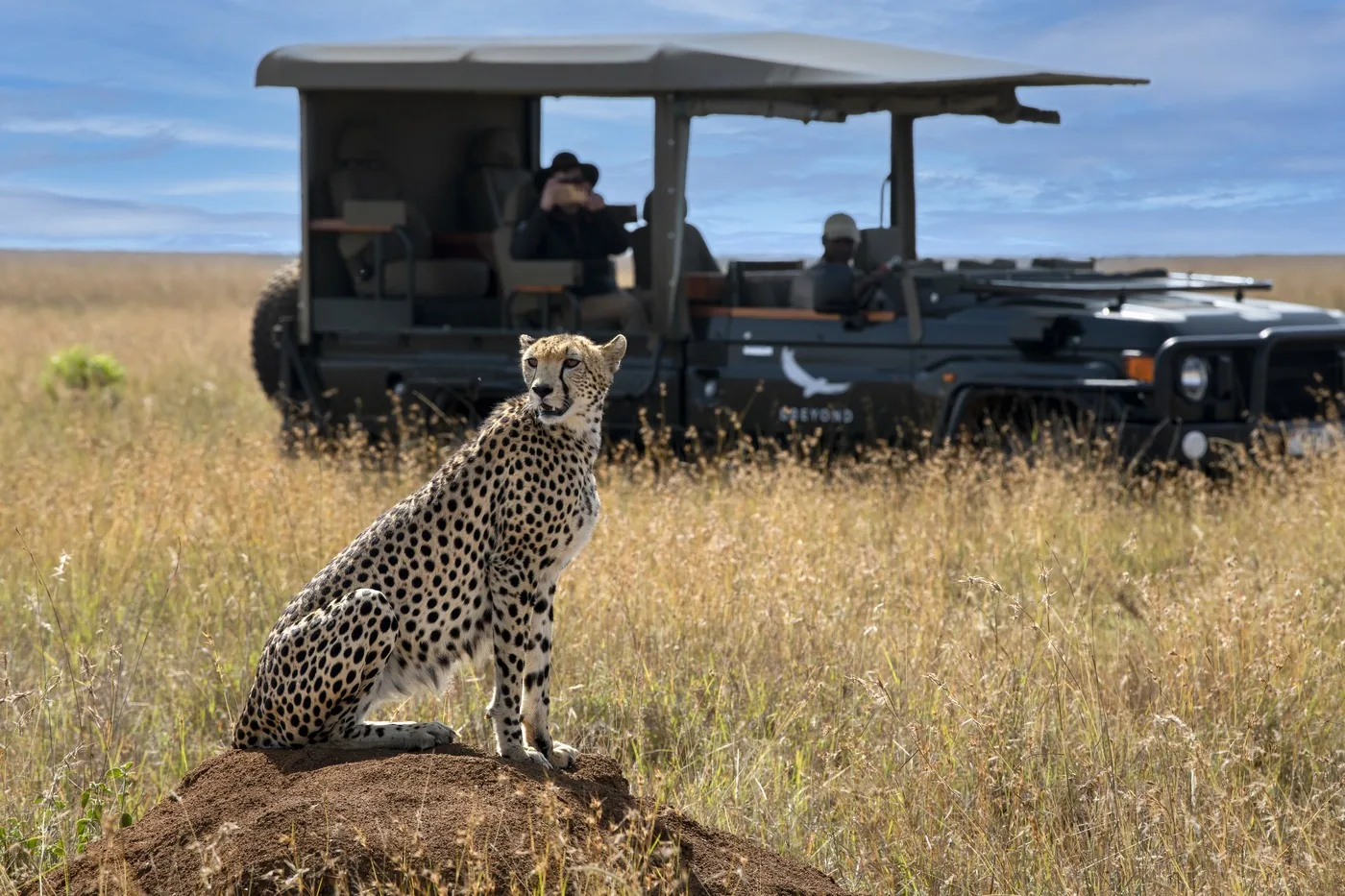
From Kigali the file flies east to Nairobi and onward to the plains: the Mara's conservancies or Laikipia's private country, four or five nights, long light and unhurried drives. After the forest's intensity the savannah reads as breadth, which is exactly the contrast the pairing exists for.
The tail is designed under the same honesty as the trek: the migration, where the season suggests it, is treated as weather rather than promise, and no crossing or sighting is guaranteed on any paper. The journey exits through Nairobi, and nobody has driven the same road twice.
Questions travellers ask
Useful answers, before you decide.
Why choose southern Bwindi over Volcanoes on a Kenya file?
Availability and taste, checked against live inventory: the Uganda side offers its own permit arithmetic, ridge lodges and quieter gates, from the same Kigali arrival. Sail prices both honestly and lets the actual dates decide.
How does the border day work with a trek the next morning?
It does not: the buffer rule forbids it. The crossing happens the day before at the earliest, and the night before the briefing is always spent on the trek's side of the border.
Can the Kenya tail promise the migration?
No file should promise a moving herd. Where the season points to the Mara, the camps are chosen well and the herds treated as strong likelihood, never as a contracted event.