
The short answer
What to know first.
Kidepo Valley National Park, in Uganda's far northeast against the South Sudan and Kenya borders, is one of Africa's most atmospheric savannahs: vast, uncrowded, ringed by mountains. Reaching it realistically means light aircraft, and the flight consumes time, weather margin and nights that must come from somewhere else. Kidepo earns its place on longer journeys, return visits and files where remoteness is the brief; it is rarely the right spend on a first, gorilla-led circuit. Flights and conditions are confirmed at booking.
At a glance
The planning brief.
What Kidepo is
Uganda's remote northeastern savannah: vast, uncrowded and reached realistically by light aircraft.
The cost
Flying time, weather margins and nights that must come from somewhere else in the journey.
When it earns the flight
Return visitors, longer journeys and travellers who value remoteness over convenience.
Sail verifies
Aircraft schedules, seasonal conditions and how the flight sits against a date-locked gorilla permit.
01
What makes Kidepo different
The Narus Valley holds game through the dry season against a backdrop of ranges that feel closer to a Kenyan frontier than to the Uganda of the western circuit: lion, elephant, buffalo in numbers, cheetah and ostrich found almost nowhere else in the country, and a scale of emptiness that has become East Africa's rarest commodity.
Visitor numbers remain a fraction of the western parks'. For travellers who measure a safari by how few other vehicles it contains, Kidepo is Uganda's strongest answer.
02
The honest cost of getting there
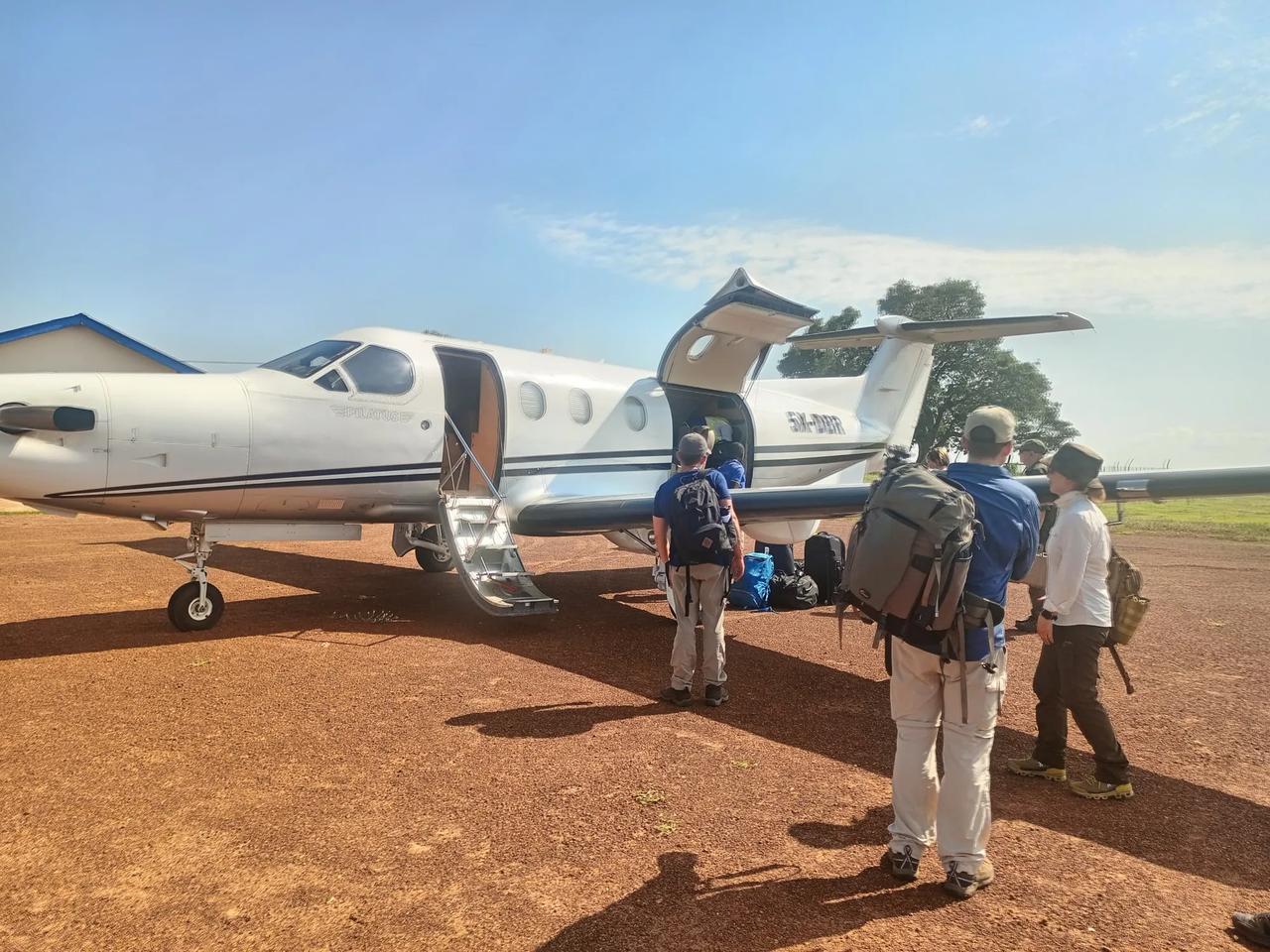
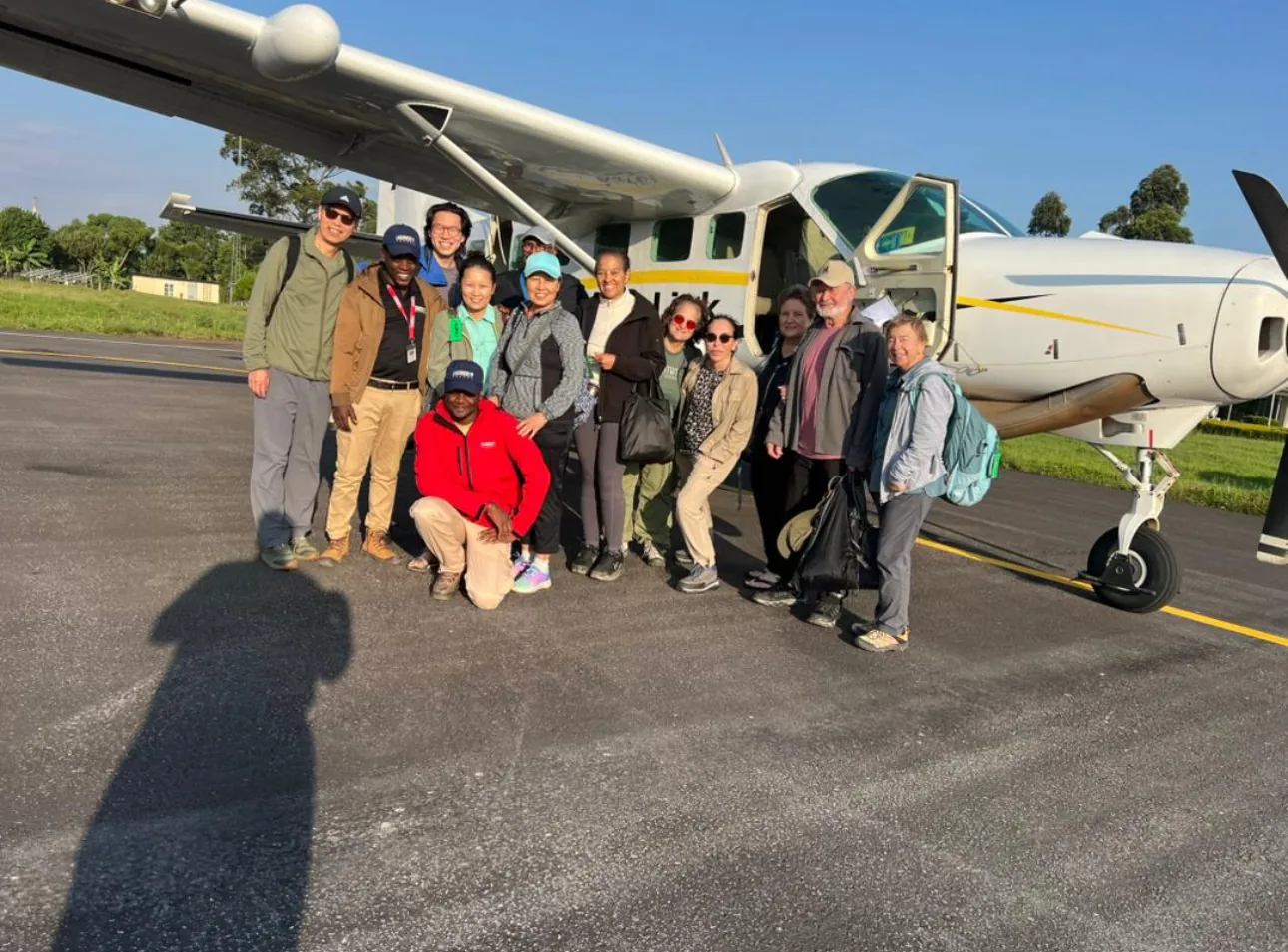
By road, Kidepo is a serious two-day undertaking from Kampala each way. In practice the park is flown, by scheduled or charter light aircraft, and the flying time, weather margins and schedules shape everything. A worthwhile Kidepo chapter is two nights at minimum, three to breathe, which, with flights, claims the better part of four days.
Those days come from somewhere: the forest chapter, the western savannah or the journey's only unhurried stretch. That is the real price, and it is weighed before any aircraft is pencilled.
03
Where Kidepo fits, and where it does not
It fits journeys of generous length; return visits where Bwindi and Queen Elizabeth are already loved; northern routings that pair it with Murchison and the Nile; and briefs where remoteness outranks convenience. It struggles on a first two-week circuit already carrying a date-locked gorilla permit, two borders or a coastal close.
A date-locked trekking morning and a weather-dependent airstrip make cautious neighbours: the itinerary keeps honest margins between them rather than betting the permit on a same-day connection.
04
If not now, then deliberately later
Declining Kidepo on this journey is not declining it forever. Some chapters improve for being kept whole and given their own trip; Uganda's north, Kidepo, Murchison and the Nile, makes a complete journey in itself, without a border in it.
That is often the counsel: do the west properly now, and let the north be a reason to return.
Questions travellers ask
Useful answers, before you decide.
How many nights does Kidepo need?
Two at minimum once flights are involved; three lets the park breathe. A single night spends most of its value on the aircraft.
Can Kidepo combine with gorilla trekking?
Yes, on a journey long enough to hold both with honest margins. The date-locked permit is placed first, and the Kidepo flights are planned so weather can never threaten the briefing morning.
Is Kidepo good for a first safari?
It can be, for travellers whose brief is remoteness above all. For most first journeys built on gorillas and the western circuit, Kidepo is better kept as the reason to come back.