

The short answer
What to know first.
UWA and RDB issue gorilla permits to people, not agencies, in the names printed in the passports that will be carried. Before payment, a correction is a file edit; after full payment, the permit is treated as non-transferable unless the authority confirms a specific exception in writing. The minimum trekking age is 15 in both countries, and every condition is confirmed at booking.
At a glance
The planning brief.
As printed
All given names, surname, spelling and order exactly as the machine-readable passport shows them.
Before payment
Corrections are a file edit, because the authority has not yet been paid against those names.
After payment
Non-transferable is the working assumption. Any change is an authority decision, not a courtesy.
Sail verifies
Photo-page names, minimum age of 15, fitness notes and every condition with the authority at booking.
01
What as-printed actually means
Ask for a clear copy of the photo page, not a typed list from memory. Check surname and given names in the order the passport uses; hyphens, spaces and apostrophes; second and third given names the client never uses in email; and transliteration where documents might later disagree.
A nickname is not a name. A professional name is not a name. A partner's surname the client intends to start using next month is not a name until the passport says so. If two passports exist, the one carried to the briefing is the one used, and changing passports between booking and travel is a new risk to flag before payment.
02
Ages, fitness and the person who will actually walk
The minimum trekking age is 15 in both Uganda and Rwanda. A well-grown 14-year-old is still 14, and there is no version of seeing what can be done.
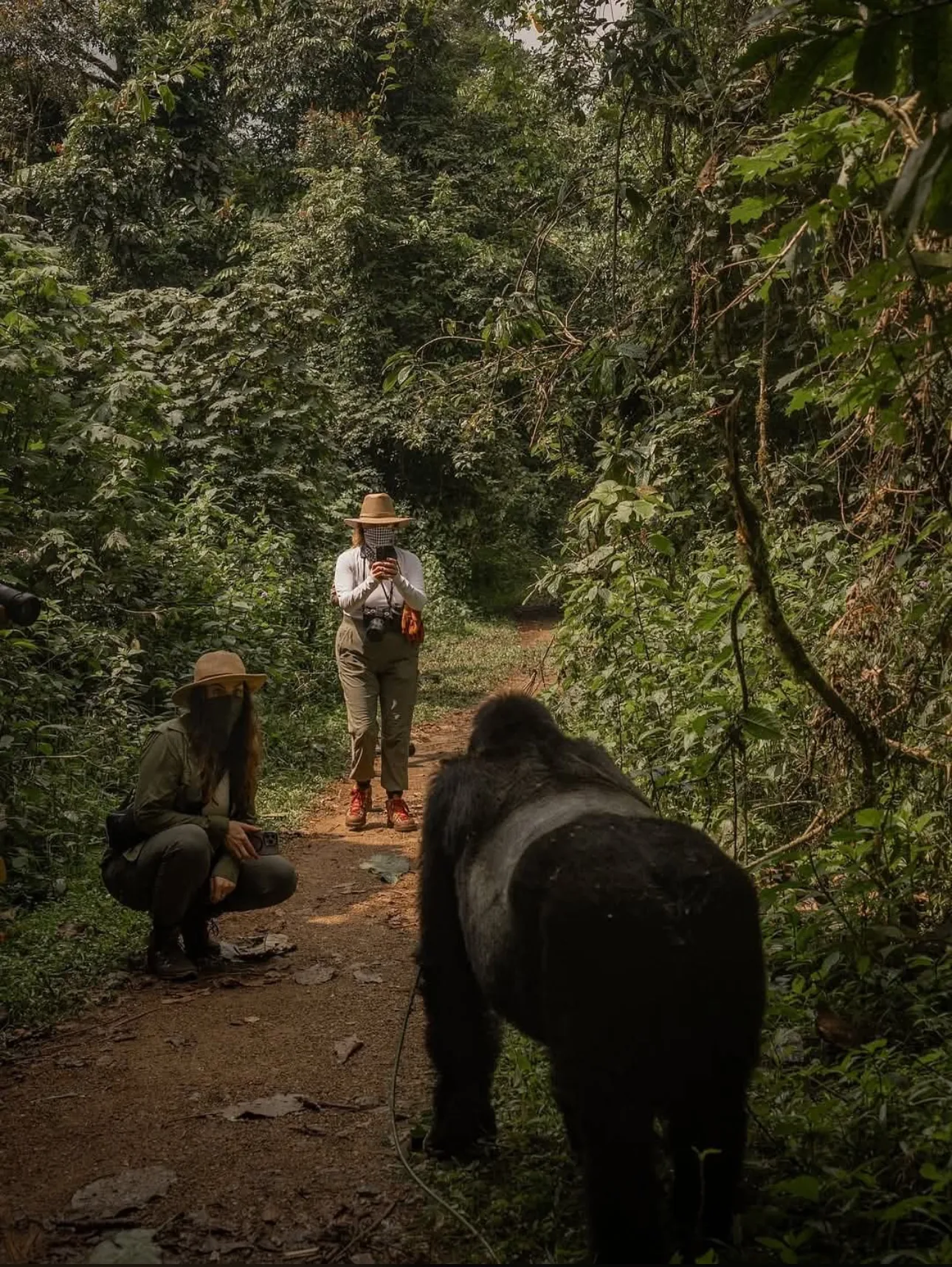
Fitness is part of identity in an operational sense: the name on the permit is the body that must walk steep, uneven, sometimes muddy ground for a period the forest, not the brochure, will choose. Porters help; they do not replace a knee that will not. If the named person cannot trek, there is no spare permit to hand to the fitter spouse unless the authority approves a change, and the working assumption is that it will not. Nor is a sighting guaranteed for the correctly named person: wildlife remains wildlife.
03
Before payment, at payment, after payment
The three phases behave differently, and proposals should reflect which one the file is in.
Before payment
Corrections, traveller swaps, date changes and cancellations are still file edits. Availability is not a hold: another paid booking can take the slot.
At payment
Full funds, licensed operator, park receipt, names as submitted. This is the moment of date-lock. Peak months are unforgiving of delay.
After payment
Non-transferable is the working assumption. A date, sector or traveller change is a request to the authority, made with documents, with no outcome sold in advance.
Date-fixed seasons
April, May and November Uganda permits, on the tariff now in force, are issued for a fixed date and are not reschedulable.
04
Transfers, cancellations, and the refunds we will not invent
Illness, a failed visa, a missed flight and a hopeful substitution are different questions. For illness or a missed connection, the permit remains in the original name for the original morning unless the authority agrees otherwise, which is why buffer nights matter, with the guest in the correct sector the evening before briefing.
For substitution, the working assumption is no; do not sell a transferable permit. For cancellation, park-authority conditions apply to the permit line and Sail's published schedule applies to the operated journey, they are not automatically the same percentages, and no park refund figure is invented here. A name found to be wrong at the gate is the failure the photo-page check exists to prevent.
05
Sector, lodge and the named morning
A correctly spelled permit in the wrong sector is still a bad file. Match lodge to trailhead: Buhoma, Ruhija, Rushaga or Nkuringo in Uganda, Volcanoes in Rwanda. Sail holds the UWA or RDB receipt against the names; you hold the client contract; if a dispute arises, those two documents must tell the same story.
Permit revenue funds ranger and tracker teams, veterinary programmes and neighbouring communities. Tell that story without a slogan.
Questions travellers ask
Useful answers, before you decide.
Can I put my agency name on the permit to keep it flexible?
No. The permit is issued to the trekking guest, in passport names, and agencies do not appear on it.
The couple use different surnames socially, which do we use?
The passports. Social usage is irrelevant at the briefing; the ranger matches the person in front of them to the paid permit.
We paid yesterday and they now want to trek a day later, possible?
That is an authority request, not a diary change, and on date-fixed Uganda permits it may not be possible at all. Sail will ask; Sail will not promise.
Can you refund a percentage if they cancel?
Not from this article. UWA or RDB conditions govern the permit line and Sail's published journey terms govern the rest, both stated at booking rather than invented in advance.